The First-Timer's Complete Guide to Navigating Seoul Without Knowing the Language
Some links in this post are affiliate links — if you book or buy through them, we may earn a small commission at no extra cost to you. How this works.
You don't need a word of Korean to have a smooth first trip to Seoul. English signage, translation apps, and one of the world's best subway systems do most of the work for you. This Seoul travel guide for first-timers covers where to stay, how to get around the language barrier, and the sights worth your limited time.
Seoul rewards a little prep. Sort the right neighborhood and the right apps before you land, and the city opens up fast. Pairing Seoul with Japan? My honest Tokyo budget breakdown maps the same first-timer ground for the region's other giant.
Seoul Travel Guide for First-Timers: The Fast Facts
Here's the shape of a first trip before the specifics.
- Best months: April–May (cherry blossoms, mild) and September–October (crisp, clear). Skip humid July–August and the deep-winter freeze.
- Currency: South Korean won (KRW); ₩1,000 ≈ $0.75 USD. Cards work almost everywhere — carry a little cash for street food.
- Language: Korean. English is common on signs and transit, less so with older vendors; your phone bridges the gap.
- Ideal stay: 4–5 days for the city, plus 1–2 for a day trip (the DMZ or Nami Island).
Where to Stay in Seoul: Myeongdong vs. Hongdae
Here's the move: pick your base by the trip you want, not by a landmark. Two neighborhoods cover most first-timers.
Myeongdong is the easy button. It sits on Subway Lines 2 and 4, walkable to the palaces, wrapped in skincare shops and street-food carts, and it's the most English-friendly patch of the city. Stay here for central and low-friction — the Lotte Hotel Seoul sits right on top of it. The catch: it's touristy and loud at night.
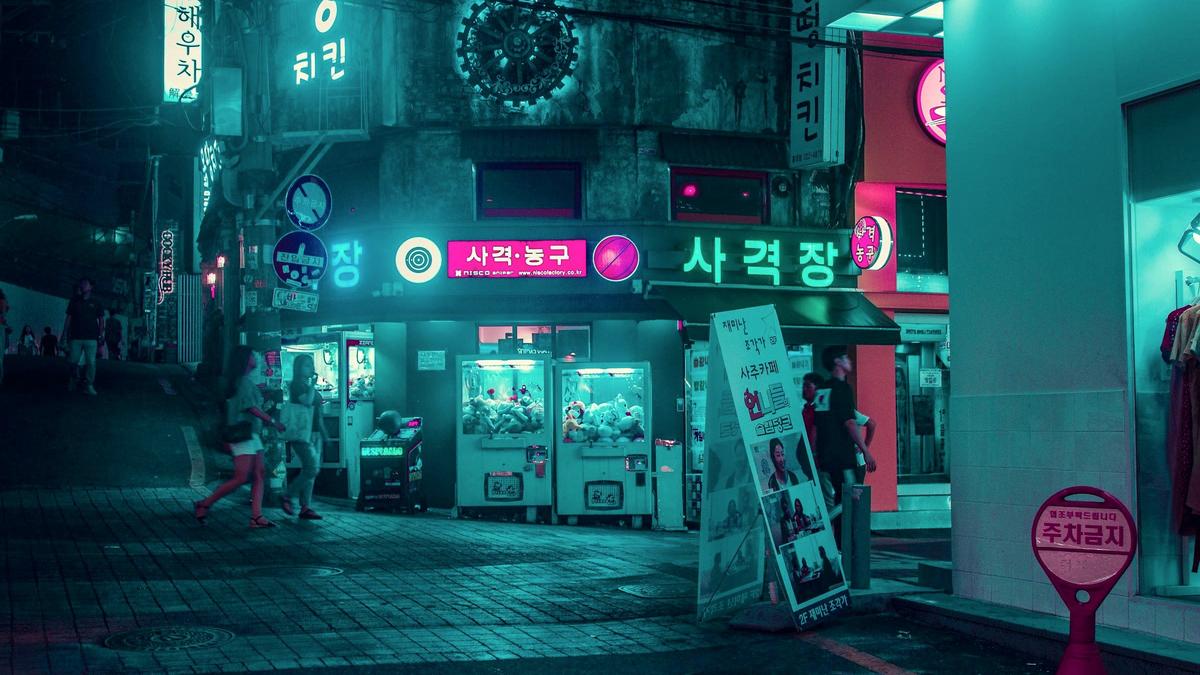
Hongdae is the younger, cheaper counter — the university-and-nightlife district with indie cafes, live music, budget street food, and better-value stays like L7 Hongdae by LOTTE. It's on Line 2 and the AREX airport line, so transfers are painless. Stay here for energy and value over polish.
One thing to know: wherever you stay, being within a few minutes' walk of a subway station matters more than the neighborhood itself. It's what makes the rest of the city effortless.
Getting Around Seoul Without Speaking Korean
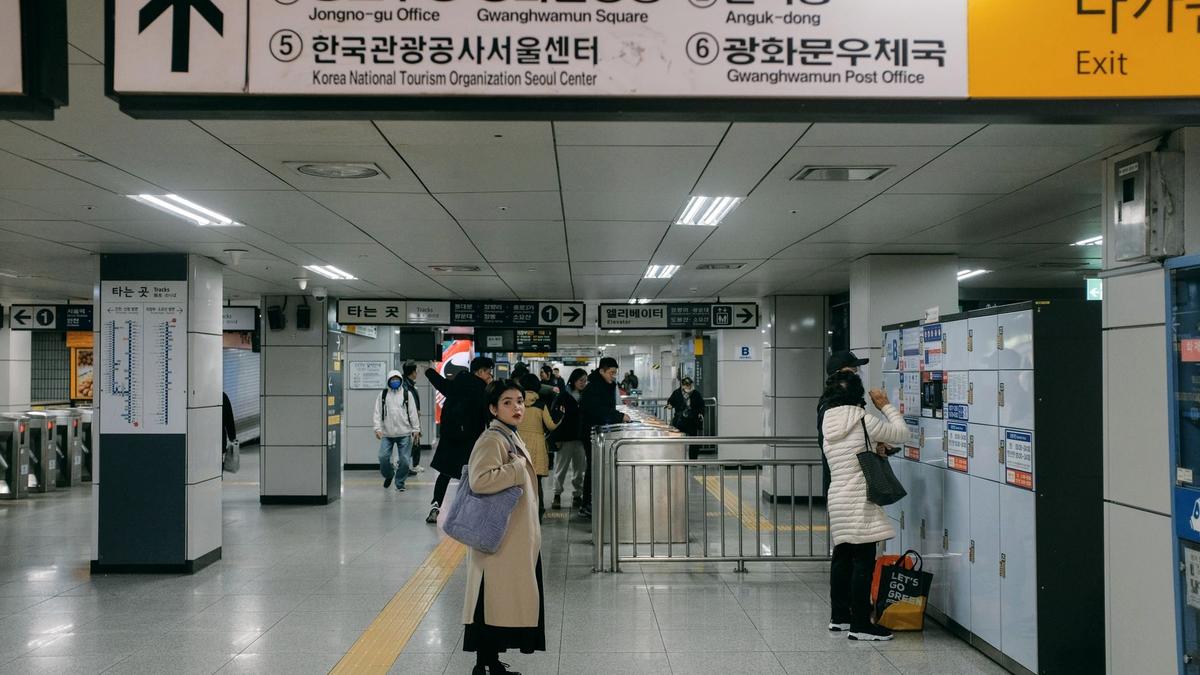
Seoul's subway is the great equalizer — signs, maps, and announcements are in English, and stations are numbered, so you can navigate by color and number alone. This is the real fix for navigating Seoul's language barrier.
Get a T-money card. Buy one at any convenience store (CU, GS25) or subway machine for ₩2,500–4,000, load it with cash, and tap on every bus and train. It trims the fare and saves you fumbling with tickets.
Download these essential apps for Korea travel before you fly:
- Naver Map or KakaoMap — Google Maps has no walking or transit directions in Korea; these are the local standard and work in English.
- Papago — Naver's translator beats Google Translate for Korean. Use camera mode to read menus and signs, and conversation mode with vendors.
- Subway Korea — a clean route planner with times and the right station exits.
- KakaoT — the local ride-hailing app (think Uber) for late nights.
The first time I pointed Papago's camera at a pojangmacha menu, a wall of Korean turned into dinner in about five seconds — that camera is the single most useful thing on your phone here.
A few Seoul public transit tips before you tap in: stations have numbered exits, and Naver tells you which one — taking the right exit saves a long underground walk. In practice, ten words of Korean (hello, thank you, this one, please) plus Papago covers about 95% of what you'll need.
The Best Things to Do in Seoul for First-Timers
You can hit the essentials in a few well-planned days. Here's what earns the time.
Gyeongbokgung Palace, early
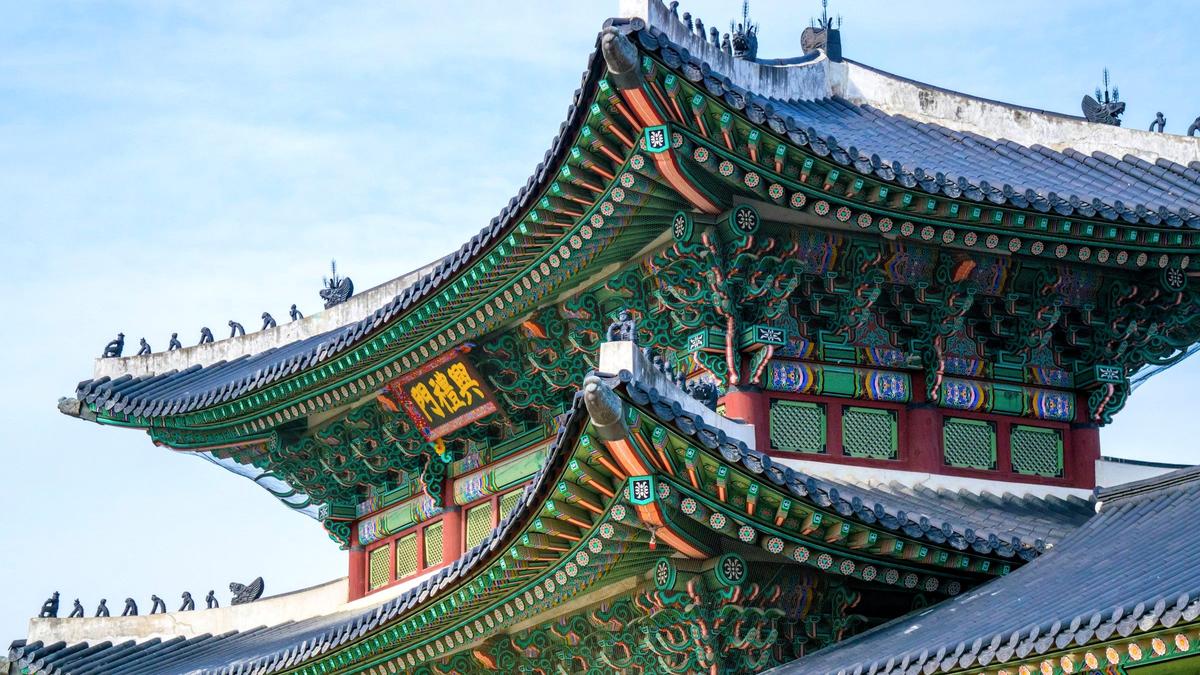
Get to the main palace at the 9am opening to beat the tour groups — the changing-of-the-guard ceremony runs around 10am and 2pm. Quick tip — rent a hanbok nearby (about ₩15,000 for a few hours) and palace entry is free.
Ikseon-dong over Insadong
Insadong's main drag is a souvenir gauntlet. Walk ten minutes to Ikseon-dong instead — restored hanok alleys packed with tiny coffee shops and dessert bars, far more of the real thing without the crush.
Bukchon Hanok Village, quietly
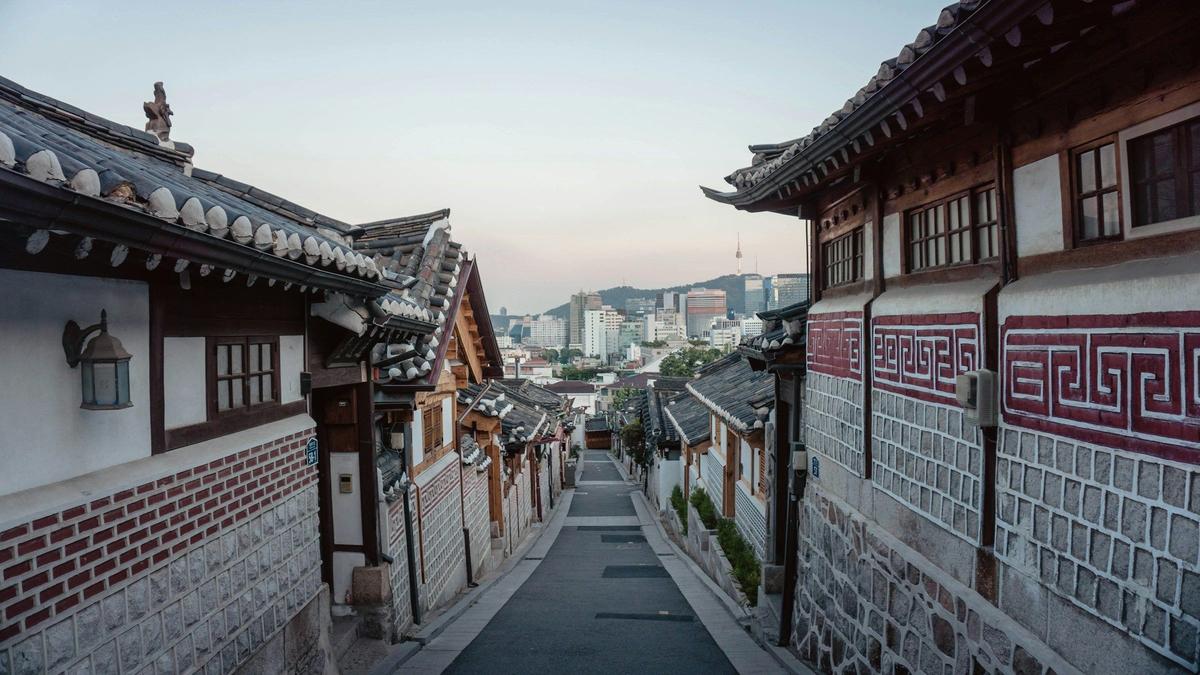
People actually live here, so keep your voice down — but the hillside lanes of traditional tiled homes with the modern skyline behind them are worth the climb. Go early morning for empty streets.
A Han River evening
Grab convenience-store snacks and a mat, ride to Yeouido Hangang Park, and watch the city light up across the water. It's free, local, and the best kind of Seoul downtime.
Seoul Travel Guide for First-Timers: FAQ
Do people in Seoul speak English?
Enough to get by — especially younger people and anyone in transit, tourism, or big shops. Signs and menus increasingly carry English, and Papago's camera and voice modes close the rest of the gap.
How many days do you need in Seoul?
Four to five for the city — palaces, neighborhoods, food, and shopping — plus a day if you want the DMZ or a mountain hike. Fewer than three and you'll feel rushed.
Is Seoul expensive?
Mid-range. Subway rides run about ₩1,400, a great bowl of noodles ₩8,000–10,000, and mid-range hotels $90–150 a night. Street food and convenience stores keep daily costs low; taxis and nightlife are where it adds up.
What's the easiest way in from Incheon Airport?
The AREX express train to Seoul Station takes about 43 minutes for roughly ₩11,000; the all-stop train costs less. From there, transfer by subway or grab a KakaoT.
The Bottom Line
Seoul is one of the most first-timer-friendly big cities in Asia — you just need the right base, a T-money card, and Papago in your pocket. Sort those before you land and the language barrier mostly disappears. Next, read our neighborhood-by-neighborhood guide to where to stay in Seoul, then start mapping your days.