Is Tokyo Worth It? My Unfiltered High-Low Budget Breakdown
Some links in this post are affiliate links — if you book or buy through them, we may earn a small commission at no extra cost to you. How this works.
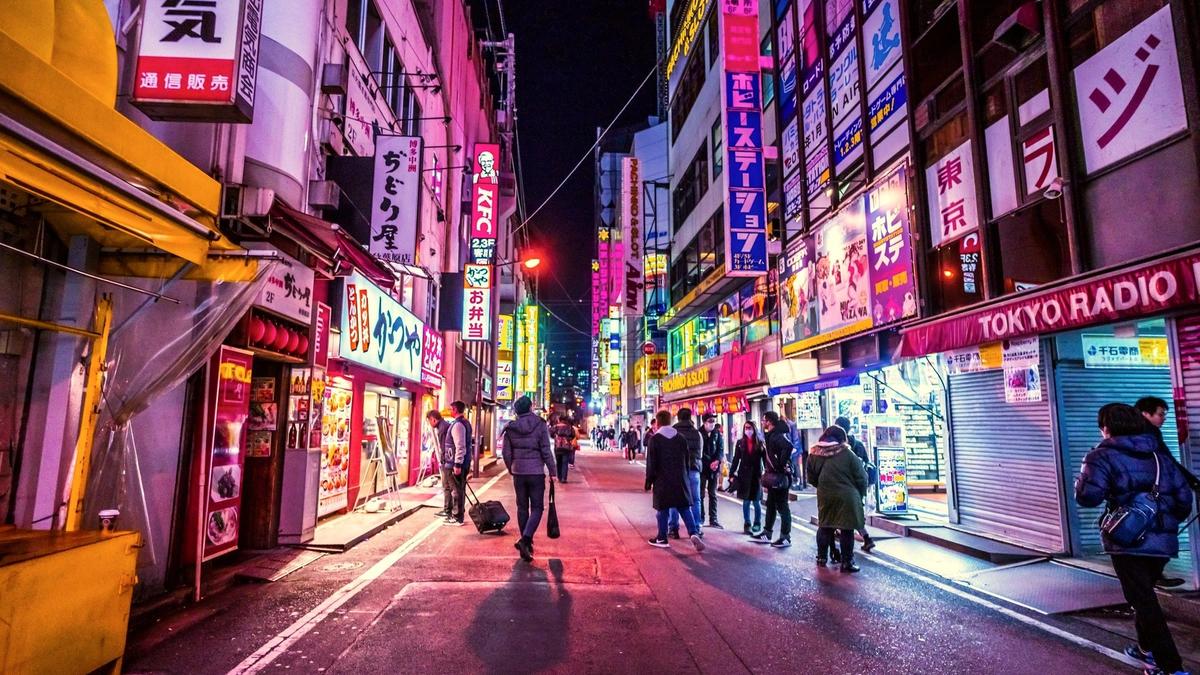
It's 7am in Shinjuku and I'm eating a ¥140 egg-salad sando from a 7-Eleven, standing up, watching salarymen power-walk toward the turnstiles. Twelve hours later I'm at a ¥28,000 omakase counter in Ginza, watching a chef torch a slab of otoro like it owes him money. Same day. Same city.
So, is Tokyo expensive to visit? Everyone warned me it would gut my wallet. After four days running this high-low game, my answer is simple: only if you spend on the wrong things.
Not gonna lie — my first trip, I did it backwards. Burned cash on lazy taxi rides and mediocre tourist dinners, then skipped the stuff that actually mattered. This time I flipped the whole script.
Why High-Low Is the Only Way to Do Tokyo
Here's the thing: Tokyo is two cities stacked on top of each other. There's the ¥300 city and the ¥30,000 city, and they sit on the same block.
A bowl of ramen that beats anything back home costs less than a movie ticket. A single sushi dinner can cost more than your flight. The whole skill is knowing which one to pay for.
So you save hard on the boring, repeatable stuff — transit, breakfast, coffee — and funnel that money into one or two experiences you'll still be replaying years later. Do it backwards and Tokyo quietly bleeds you dry. It's the same high-low game I ran through Oaxaca's markets and mezcal valleys — cheap staples, one splurge worth remembering.
Is Tokyo Expensive to Visit? The Honest Daily Math
Real talk — my four days averaged about ¥9,500 (~$62 USD) a day, not counting the two big splurges. That's the full tokyo travel cost per day for a city people swear is unaffordable.
Here's roughly where it went on a normal day:
- Breakfast (conbini): ¥450 / ~$3
- Lunch (ramen or teishoku set): ¥1,000 / ~$6.50
- Transit (subway pass, per day): ¥550 / ~$3.50
- Coffee and snacks: ¥800 / ~$5
- One paid sight or activity: ¥1,500 / ~$10
- Casual dinner (izakaya, no splurge): ¥2,500 / ~$16
That's the honest tokyo budget breakdown before the fun money. Here's how I held it there.
Where I Saved (Without Suffering)
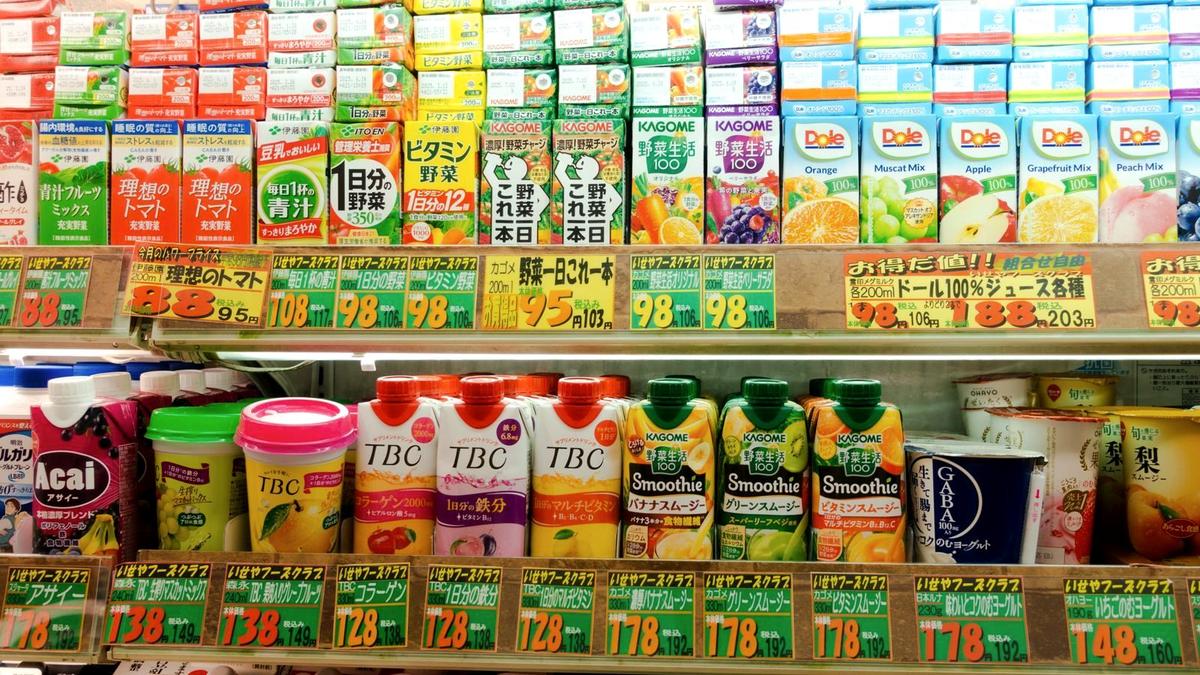
Breakfast was the easiest win. A 7-Eleven or Lawson run — an onigiri, an egg sando, a hot canned coffee — ran about ¥450 and was genuinely good, not sad-desk-lunch good.
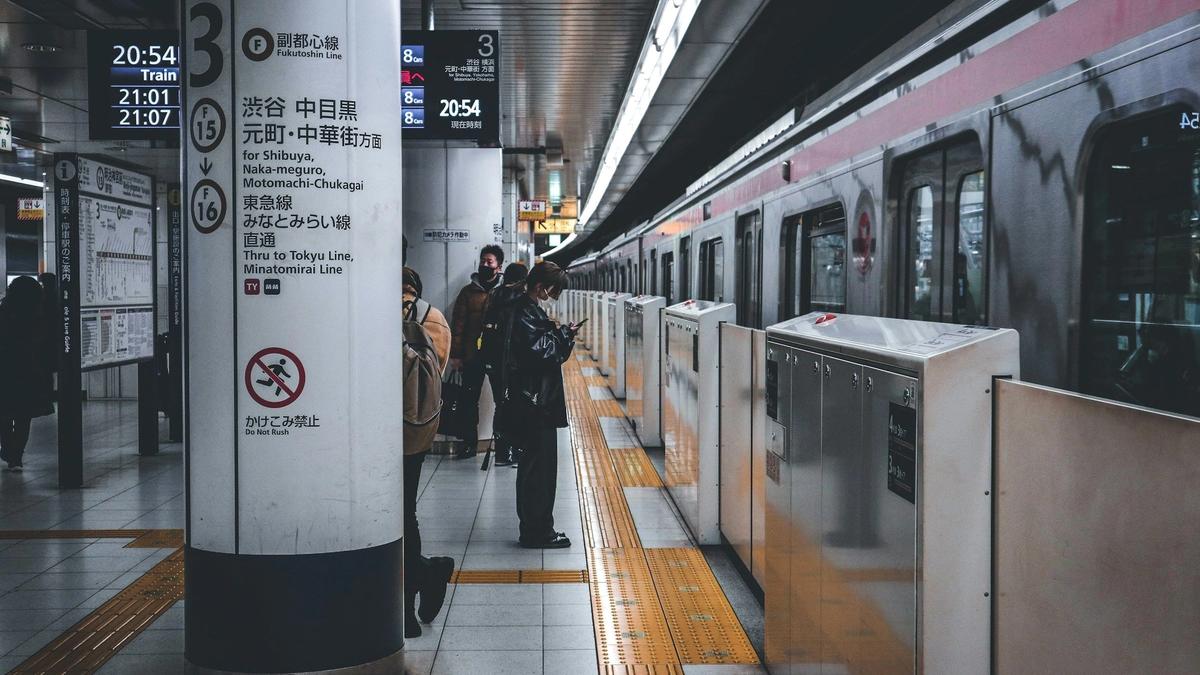
Transit was the next. I bought a 72-hour Tokyo Subway Pass for ¥1,500 instead of tapping single fares that pile up fast. If you want the one trick for how to save money in tokyo, this is it.
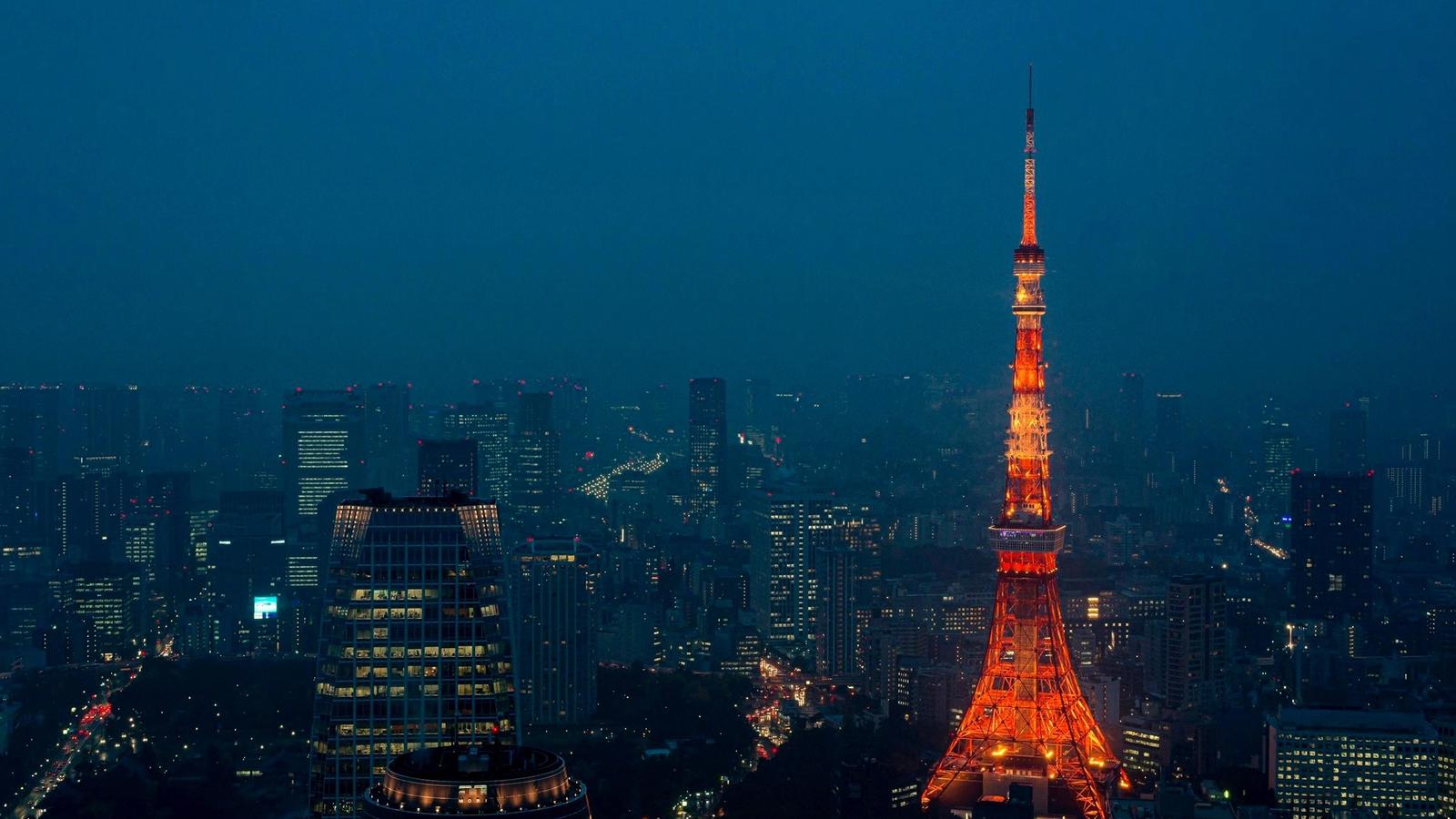
And the skyline? Free. The Tokyo Metropolitan Government Building observation decks cost ¥0, with a view that rivals the paid towers.
A few more small wins that added up:
- Refill a bottle instead of buying drinks — the tap water is safe and fine
- Stand-and-eat soba counters near stations run ¥400–¥600
- Depachika (department-store basement food halls) slash prices near closing
A Perfect High-Low Tokyo Day
Morning starts cheap: a conbini breakfast eaten on a bench, then the free government-building deck before the crowds. You've spent maybe ¥450 and already seen the whole city laid out.
Afternoon is a ¥1,000 bowl of ramen down a side street, then a slow walk through a low-cost neighborhood like Yanaka or Shimokitazawa — secondhand shops, tiny coffee counters, zero entry fees.
Evening is where the day tips upmarket. You've saved all day, so you spend on purpose: the splurge dinner or the light show. One deliberate hit, not ten leaky ones.
The Splurges Worth Every Yen
This is where the saved money goes. Skip a few forgettable meals so you can put it all into one you won't forget.
For me that was omakase. I booked the Ginza Omakase Experience a month ahead — walk-ins basically don't exist. Twenty courses, a counter seat, the chef reading me like a menu. The rice was still warm from his hands, the otoro dissolving before I'd finished deciding it was the best bite of my life. ¥28,000, and I'd pay it again tomorrow.
Three cheap conbini breakfasts cost less than one fancy coffee. That's the trade — save on the routine, blow it out on the memory.
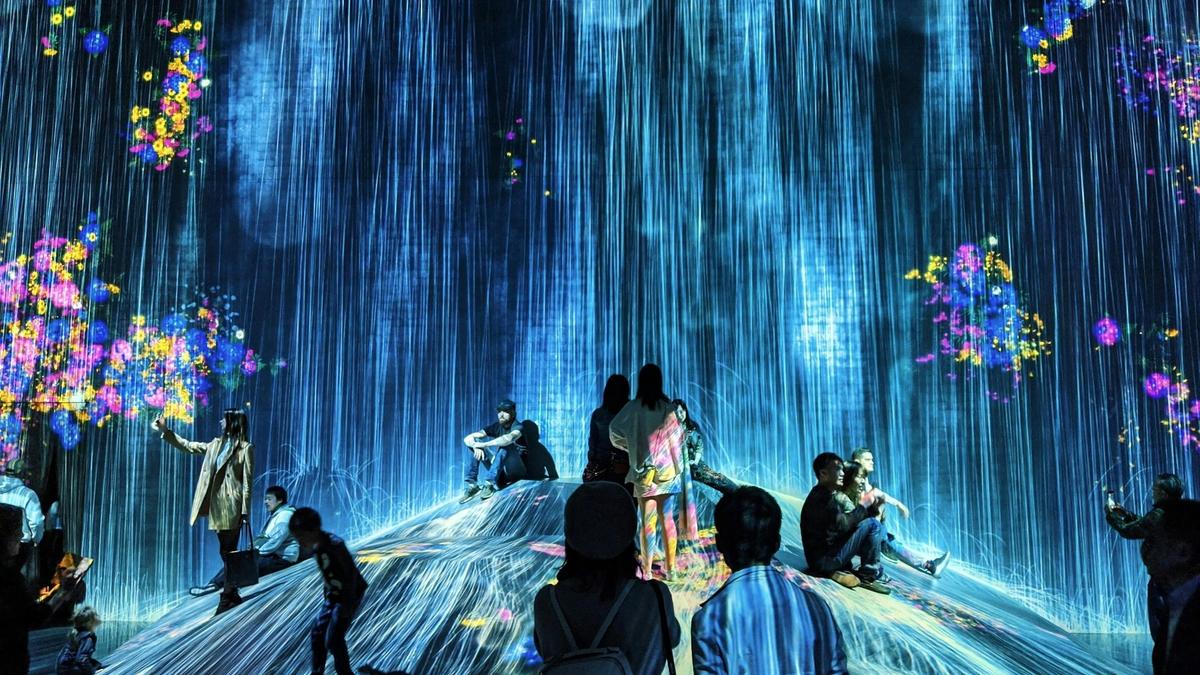
The second splurge was light, literally. I pre-booked a teamLab Digital Art Museum Ticket — you wade through mirrored rooms where projected waterfalls break around your ankles and flowers bloom up the walls. ¥3,800, and no phone photo comes close.
For what it's worth, both sell out. Book them before you fly, not from your hotel lobby the night before.
People Also Ask About Tokyo Costs
How much money do I need for 4 days in Tokyo?
Budget around ¥9,000–¥11,000 (~$60–$72) a day for food, transit, and sights, then add whatever you set aside for splurges. Four modest days plus one big dinner ran me about ¥65,000 total.
Is Tokyo more expensive than other big cities?
Daily costs are often lower than New York or London — transit and casual food are cheap and excellent. It only feels expensive if you eat every meal at tourist restaurants and take taxis everywhere.
What's the single biggest money trap?
Taxis. They start around ¥500 and climb fast. The subway reaches almost everywhere for a fraction of the price — get the pass and walk the last few minutes.
Do I need a lot of cash?
Less than you'd think now — IC cards (Suica/Pasmo) and credit cards work widely — but small ramen shops, shrines, and markets are still cash-only. Carry a few thousand yen.
So, Is Tokyo Expensive to Visit?
Not if you play it right. Save relentlessly on the daily grind — conbini mornings, a subway pass, free views — then pour that money into the one or two things that make the trip. That's the whole answer to whether Tokyo is expensive to visit: it's exactly as pricey as you let it be.
Next up, if you're mapping the days themselves, read my breakdown of the perfect first-timer's route through the city. Then go book that omakase seat.