The Lima Food Guide: Ceviche, Pisco Sours, and the World's Best Restaurants
Some links in this post are affiliate links — if you book or buy through them, we may earn a small commission at no extra cost to you. How this works.
In this guide
What to Eat in Lima, Peru, Starts With a Deadline
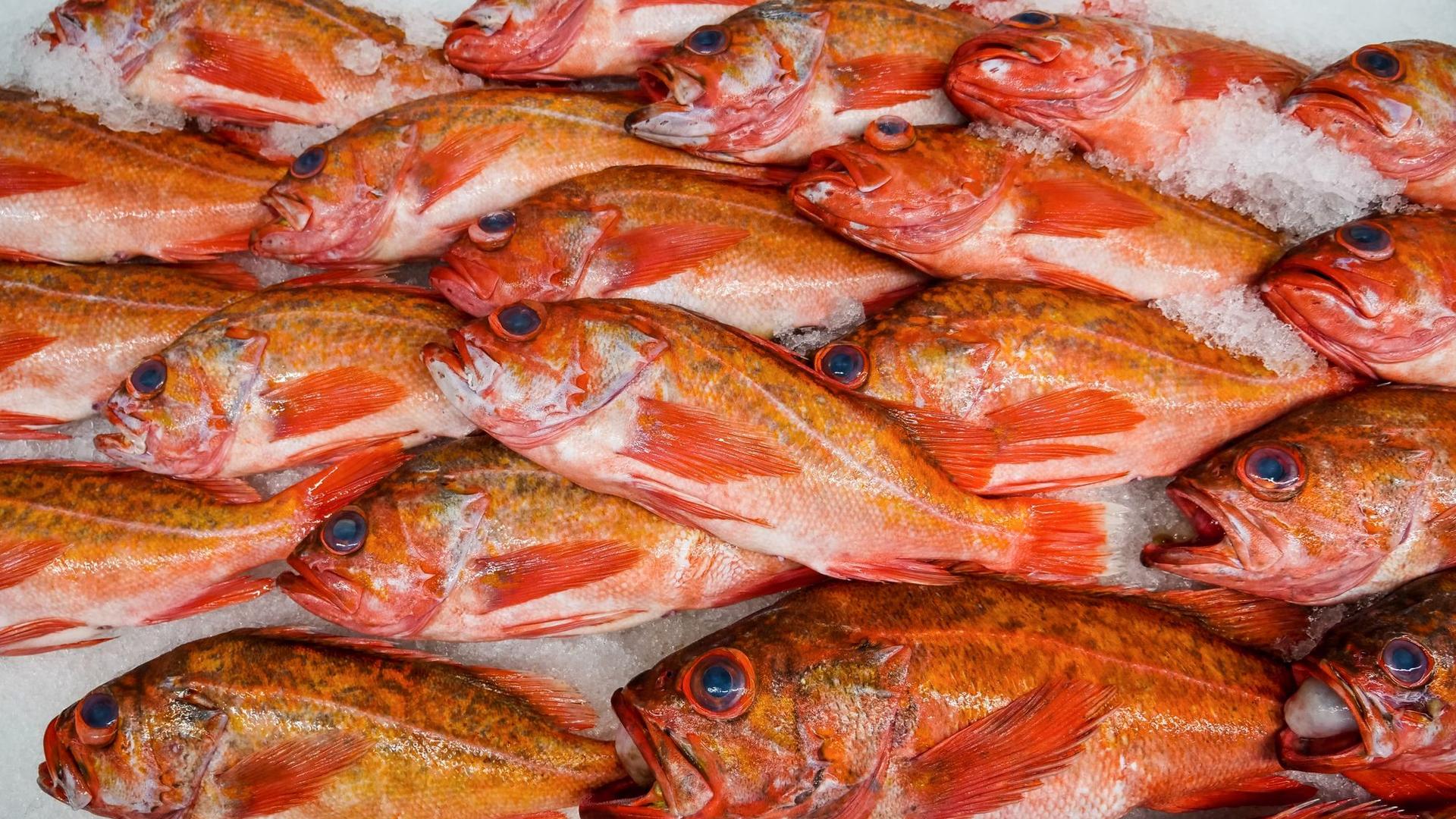
I reached the cevichería at twenty to five, which in Lima is a small confession of ignorance. The chairs were already upturned on the tables, a boy was sluicing the pavement, and the woman at the counter shook her head before I had finished saying hello. Se acabó el pescado — the fish is finished.
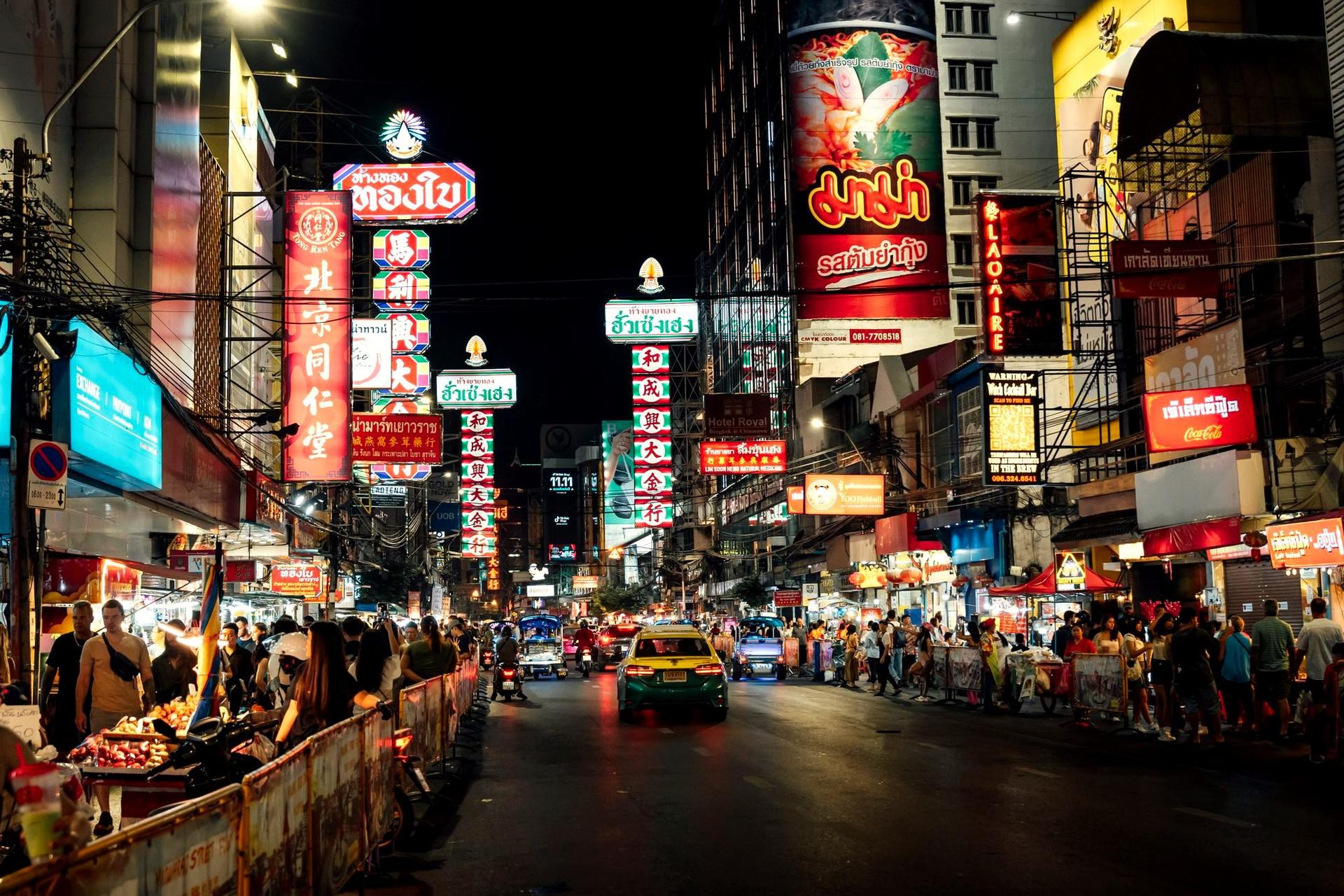
That is the whole logic of a Lima Peru food guide in one sentence: the city eats by the clock, and the fish sets it. Ceviche is a lunch, bought that morning and gone by mid-afternoon; evenings belong to charcoal and pisco; the great tasting menus belong to whoever booked first. Bangkok keeps a different clock, after dark and stall by stall.
Four districts carry most of what to eat in Lima. Surquillo and Miraflores share a border and most of the ceviche; Barranco, a short cab ride south along the cliffs, keeps the evenings; and the old centre guards the Chinese-Peruvian kitchens. Eat in one district a day and the clock stops being a problem: ceviche and lomo saltado at lunch, anticuchos, picarones and a pisco sour at dusk.
The Best Ceviche in Lima Is a Lunchtime Appointment
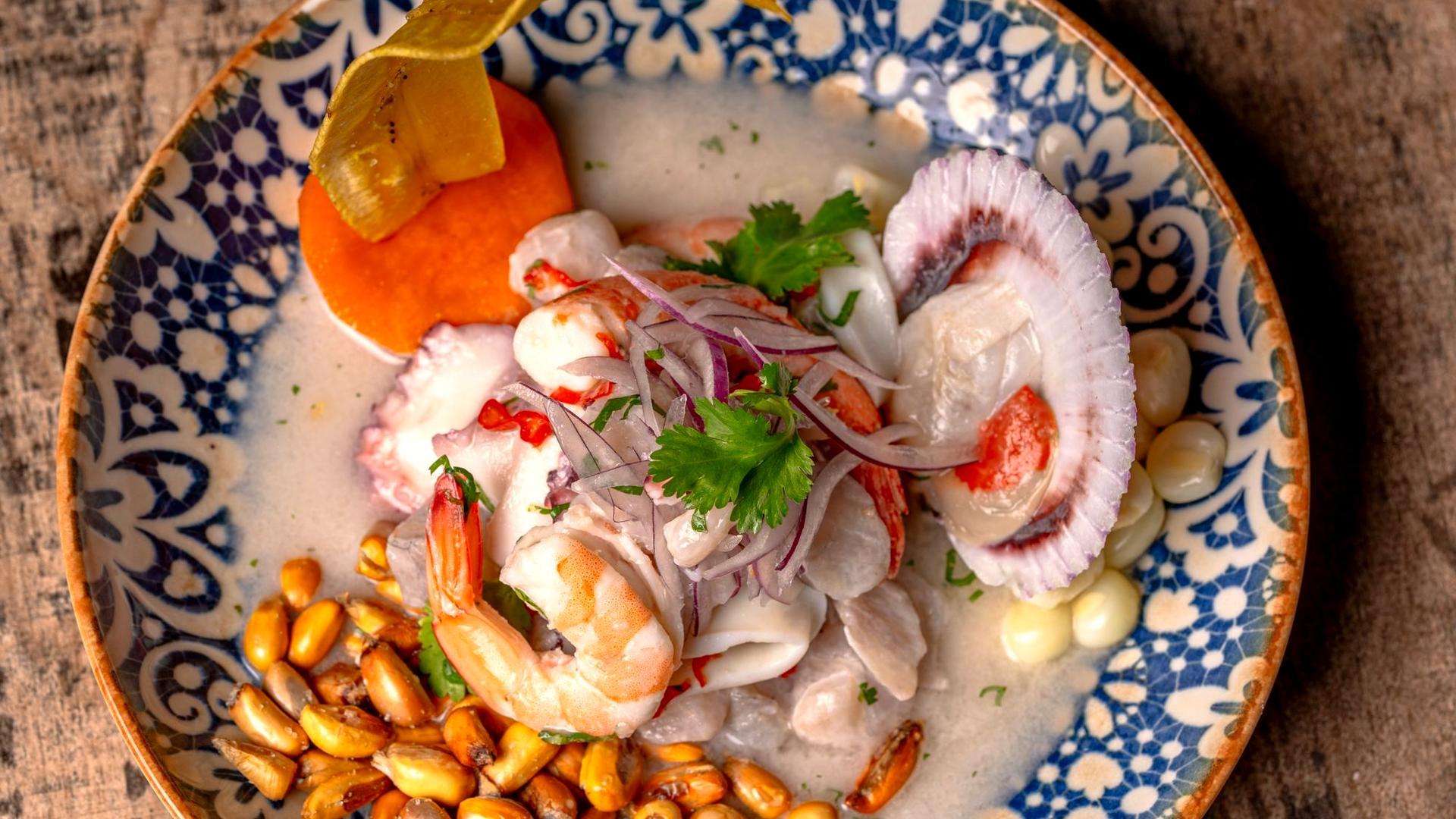
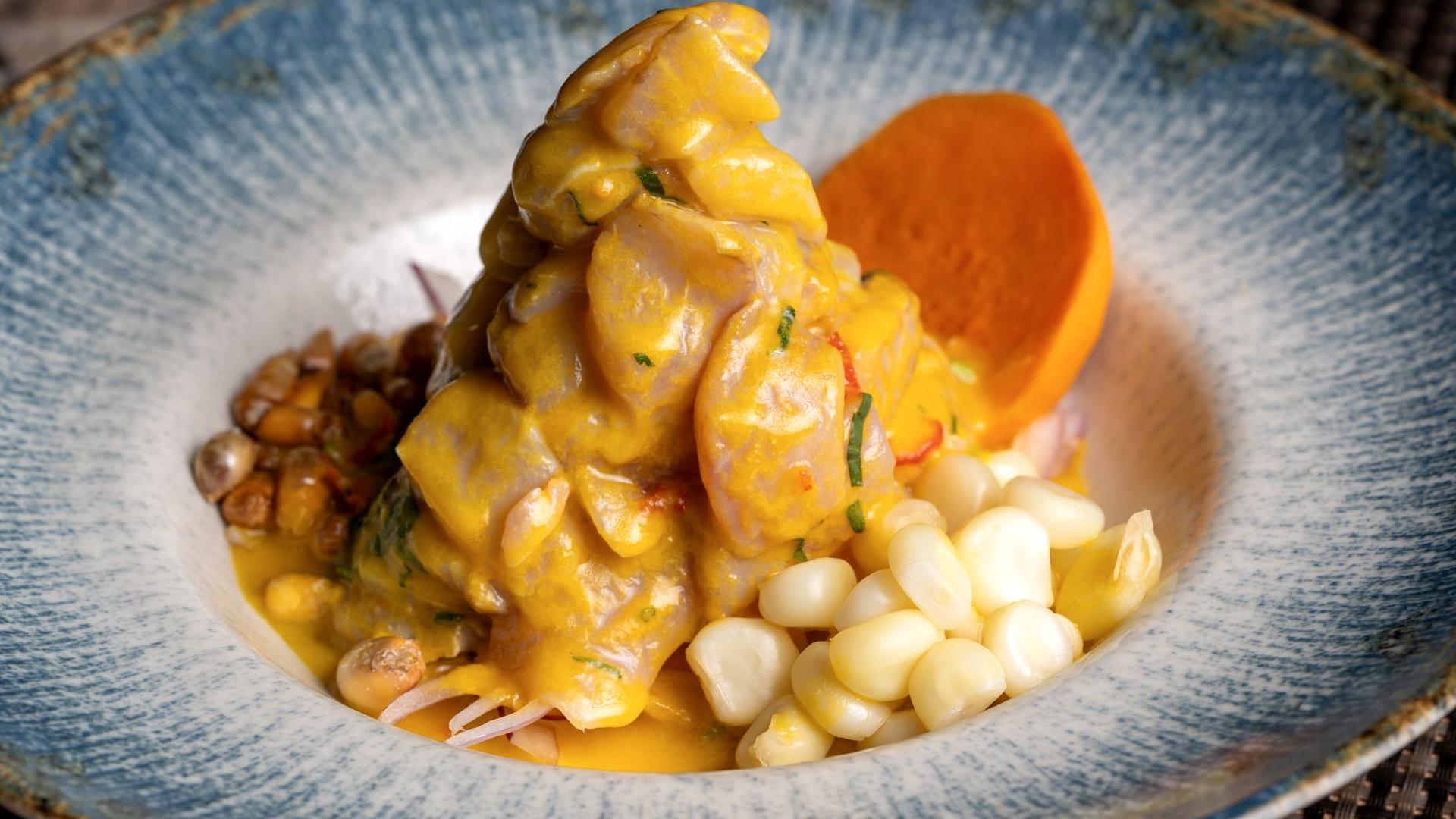
Strip away the mythology and Peruvian ceviche is almost severe: raw white fish, lime juice, ají limo chilli, red onion, salt, a little coriander. It is cured for minutes rather than hours, a short cure that Lima's Japanese-Peruvian cooks popularised in the 1970s, which is why the fish still tastes of the sea instead of the acid. Peru declared the dish national heritage in 2004, and UNESCO added it to its intangible heritage list in 2023.
What lands on the table is a heap of glossy cubes beside camote (sweet potato), choclo (corn with kernels the size of a thumbnail) and a fistful of toasted cancha for crunch. Many cevicherías bring the marinade first, in a small glass — leche de tigre, milky, sour, hot, drunk like a shot. Notice that the sweet potato is there to soften the lime, and the corn to answer the chilli.
For a counter, Al Toke Pez on Avenida Angamos Este in Surquillo is a handful of seats and a short menu built around fish; its combinado puts ceviche mixto, fried squid and stir-fried rice on a single plate. La Mar, Gastón Acurio's cevichería on Avenida Mariscal La Mar in Miraflores, is the polished version, and it keeps lunch hours. In Barranco, Canta Rana on Pasaje Génova is the old-school neighbourhood place, feeding the same streets for more than four decades.
Order it clásico, eat it before three, and drink chicha morada, the sweet purple-corn cooler, instead of beer. If you would rather be walked through the markets first, a guided food tour is easy to find through Klook, and it is the quickest way to learn the clock.
A Lima Food Guide Beyond Ceviche: Chifa, Nikkei, and Lomo Saltado
Ceviche is the headline, but Lima's real subject is arrival. Cantonese labourers came in the nineteenth century and left the city chifa, the Chinese-Peruvian kitchen; Japanese families came at the turn of the twentieth and left Nikkei. Between them they wrote half of what you will order.
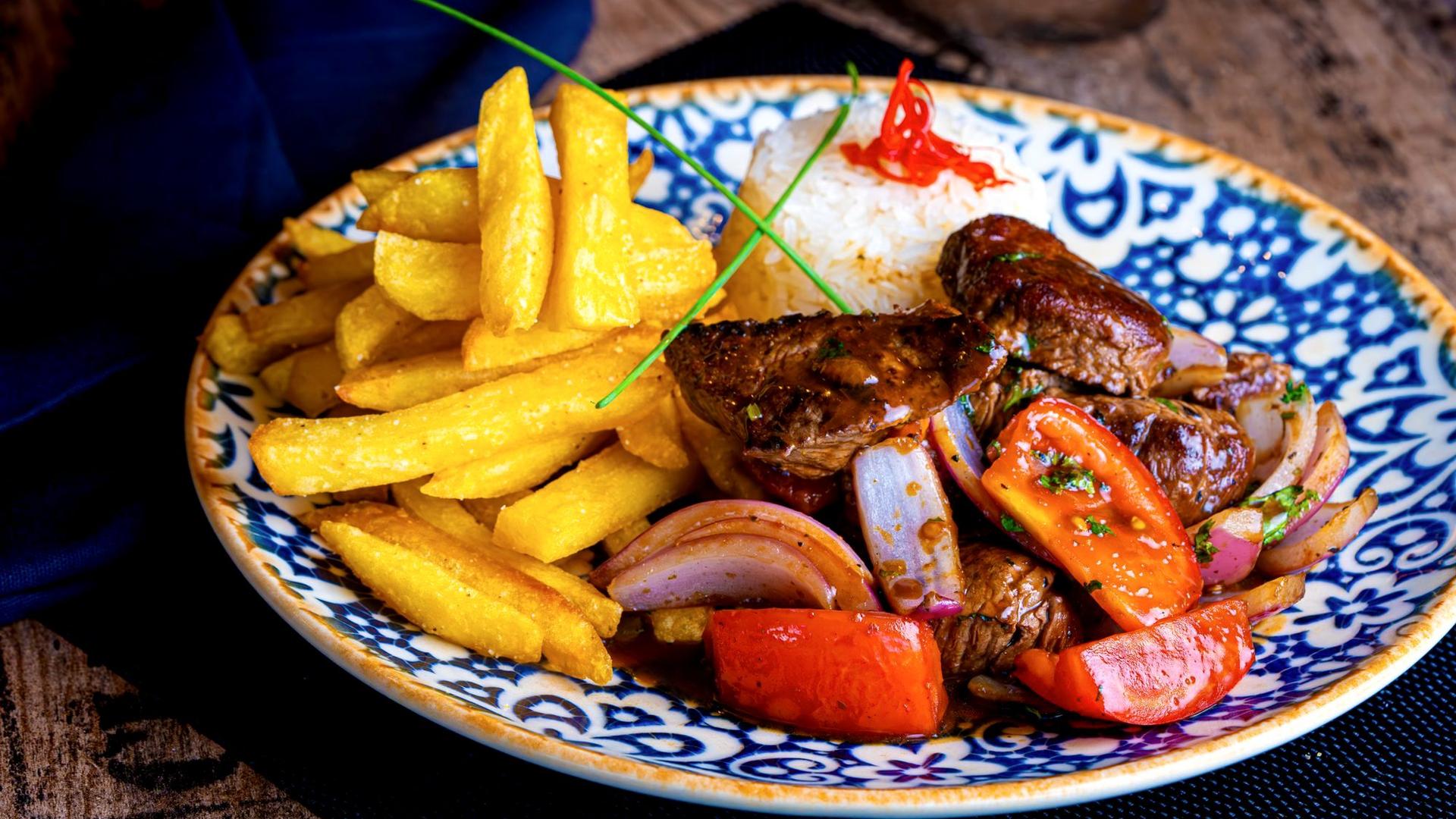
The fastest explanation is lomo saltado: strips of beef seared hard in a wok with red onion, tomato and ají amarillo, splashed with soy and vinegar, then tipped over rice with chips folded straight into the sauce. Rice and chips on one plate sounds excessive until the soy-dark juices run into both. The old centre around Calle Capón, Lima's Barrio Chino, is where I would go for it, though almost every neighbourhood lunch menu has a version.
Then the staples every lunch menu repeats. Ají de gallina is shredded chicken in a creamy yellow-chilli sauce thickened with bread; causa is a cold, layered potato terrine seasoned with lime and chilli; papa a la huancaína is boiled potato under a cheese-and-chilli sauce, and pollo a la brasa, charcoal-roasted chicken, has dedicated restaurants all over the city.
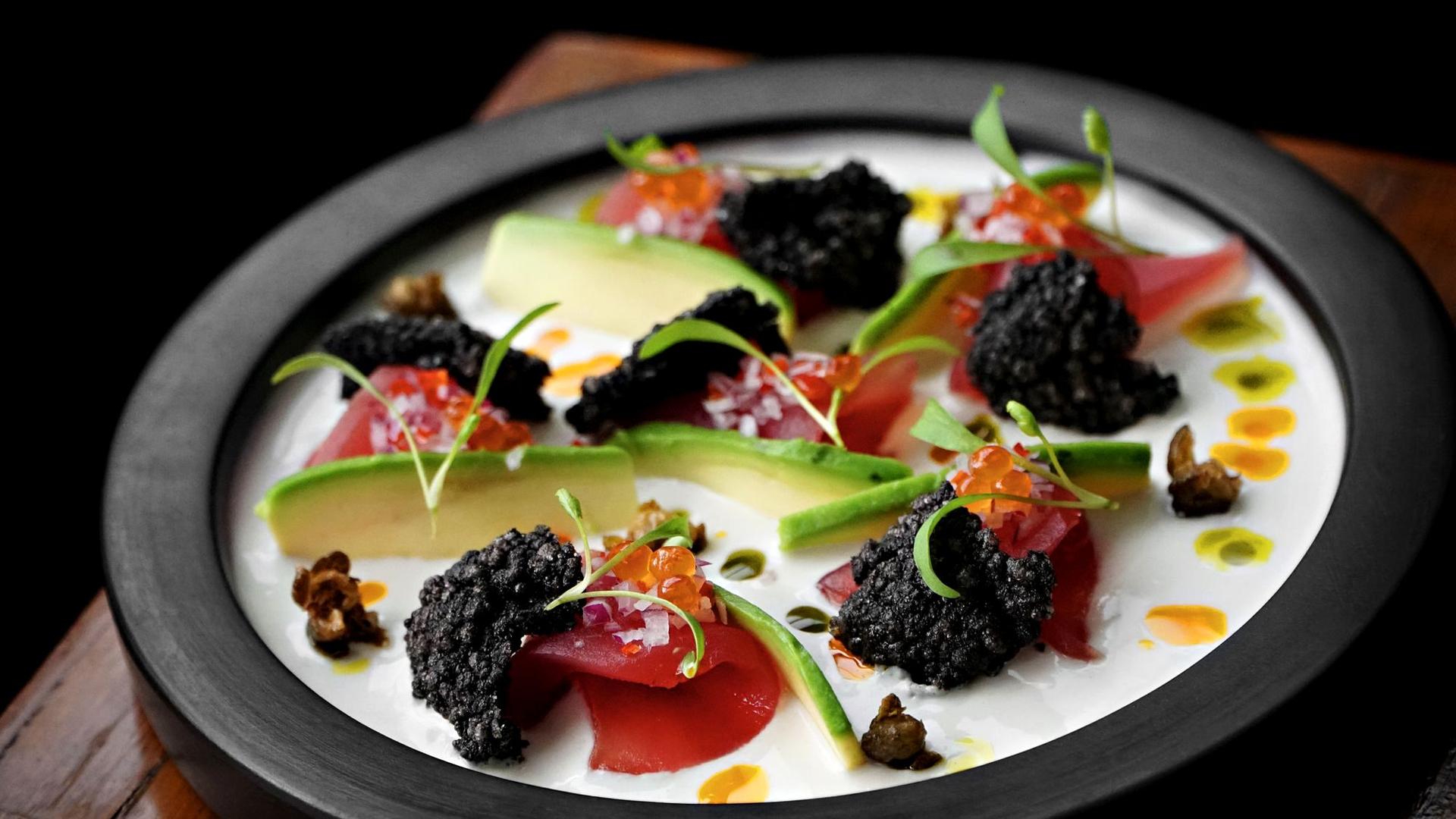
The Nikkei thread runs through tiradito, which borrows a sashimi cut and dresses it at the last moment in a thin ají amarillo sauce instead of curing it. It is colder and cleaner than ceviche, and ordering the two side by side is the best lesson Lima teaches: the same fish, two ways of cutting it. Maido, further down, is this idea taken to its limit.
A Barranco Food Guide: Anticuchos, Picarones, and the Pisco Sour
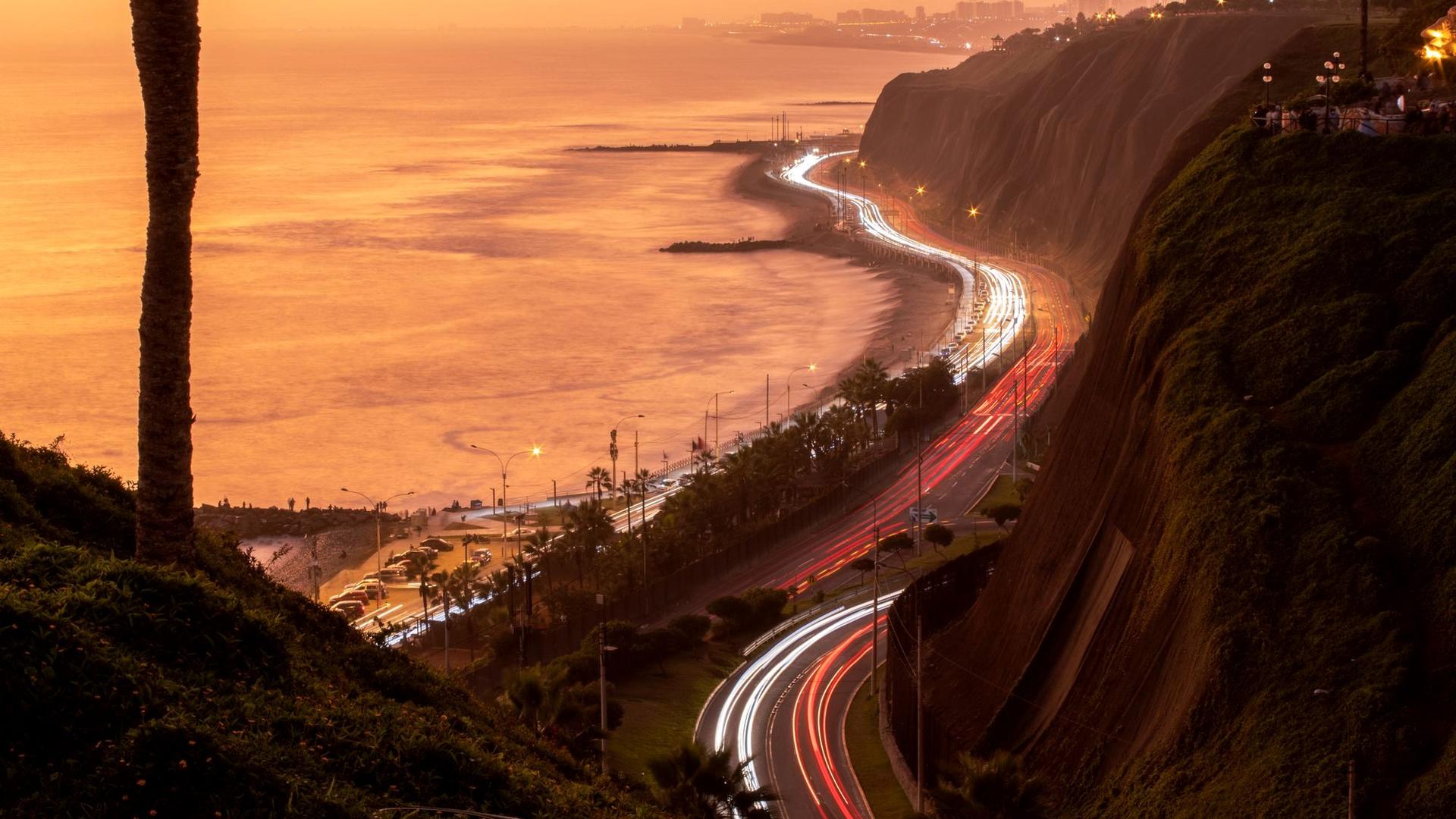
Barranco is where Lima goes after dark: low, sea-bleached houses above the Pacific, a wooden footbridge called the Puente de los Suspiros, the Bridge of Sighs, and street grills that start to smoke at dusk. What stays with me is the smell of anticuchos, skewers of beef heart marinated in ají panca and vinegar, charred over coals and handed over with a boiled potato and a slab of corn. The meat tastes like a smokier, tighter steak, and the word "heart" stops mattering by the second bite.
Finish with picarones, rings of fried squash-and-sweet-potato dough poured with warm chancaca, a dark, spiced cane syrup. They come hissing from a cart, and the syrup is the point.
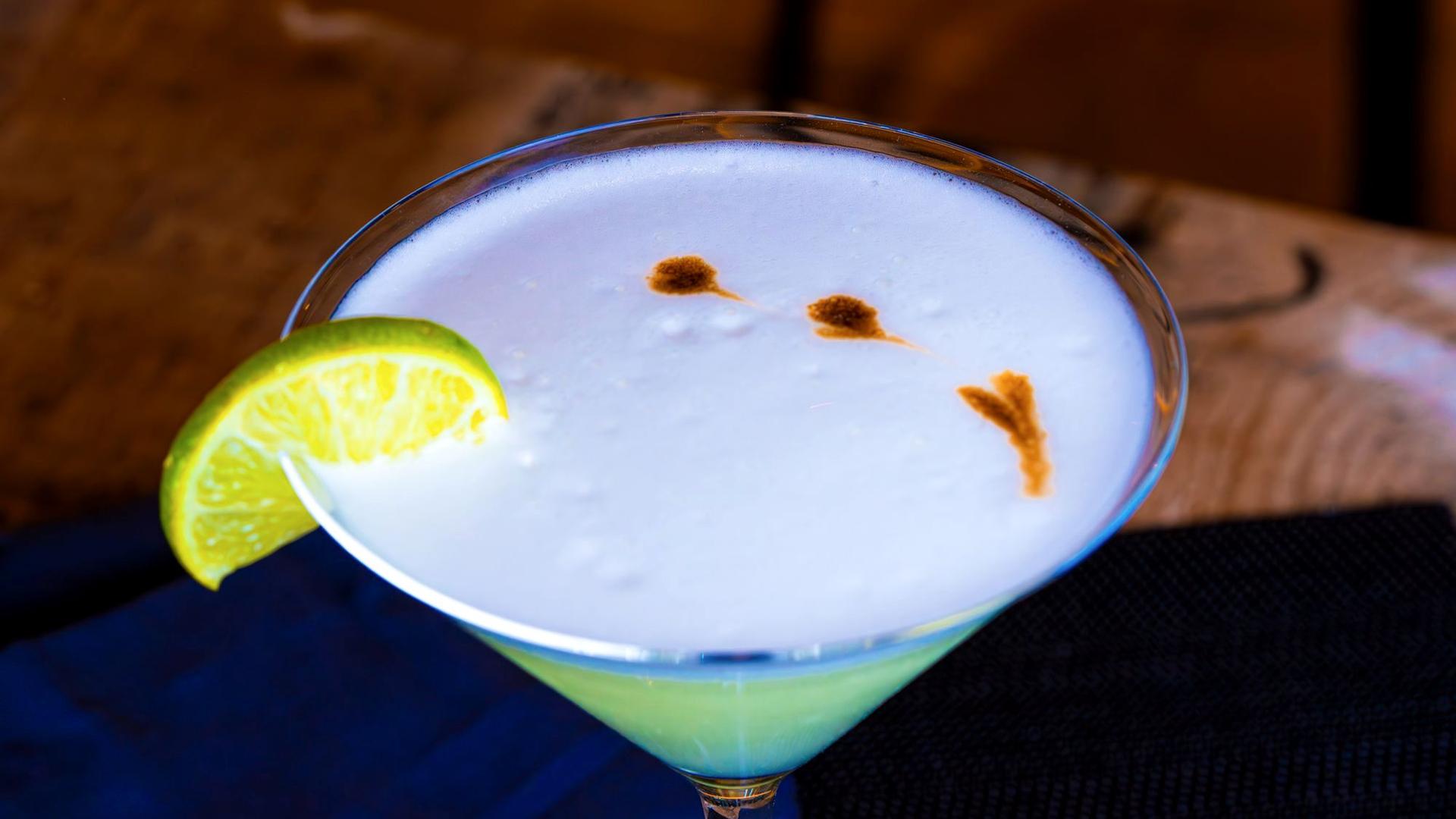
Then the drink. The pisco sour was invented in Lima, most likely in the early 1920s, by Victor Vaughen Morris, an American bartender, at his saloon Morris' Bar; the version served today, with egg white and a few drops of Angostura on the foam, arrived a few years later.
Peruvian pisco is an unaged grape spirit, closer to grappa than to cognac, and Chile claims the cocktail too, though its recipe skips the egg white and the bitters. The Hotel Bolívar in the old centre made its name with an oversized version called the Catedral, and Peru keeps a National Pisco Sour Day on the first Saturday of February.
The Best Restaurants in Lima, From a Market Counter to Maido
There is a version of this trip that ends at a counter in Surquillo, and it is a perfectly good one. But Lima is also a city of serious kitchens, and the best restaurants in Lima have climbed the world's lists.
Maido, on Calle San Martín in Miraflores, is the headline. Chef Mitsuharu "Micha" Tsumura cooks Nikkei, Japanese technique laid over Peruvian produce, with more of the Amazon every year, and the restaurant took the No. 1 spot on the 2025 World's 50 Best Restaurants list.
Lima placed three more on that list: Kjolle in Barranco at No. 9, where Pía León, who made her name as head chef at Central, the 2023 No. 1, builds plates around Peru's tubers; Mérito at No. 26; and Mayta at No. 39.
The 50 Best Restaurants, as the awards are now called, hold their 2026 ceremony in Lima on 4 November, the first time in Peru, so expect the top tables to fill early around it. My own rule is one tasting menu and a week of counters; each kind of meal explains the other.
People Also Ask
What is the best time of day to eat ceviche in Lima?
Lunch. Cevicherías buy their fish in the morning and keep lunch hours, so the freshest plates are served between noon and mid-afternoon. Turn up at twenty to five and, as I learned, you will be eating something else.
Is ceviche safe to eat in Lima?
Generally, if you choose a busy cevichería and eat at lunch. Lime changes the texture of raw fish but does not sterilise it, so freshness and turnover are the real safeguards. If a place looks quiet at noon, eat something cooked instead.
What is Lima's most famous dish?
Ceviche, which Peru declared national heritage in 2004 and UNESCO inscribed in 2023. Lomo saltado and anticuchos follow close behind, and a Barranco evening usually involves both.
Do I need to book restaurants in Lima?
Small counters and neighbourhood cevicherías tend to run on a first-come queue, so arrive early. Maido, Kjolle, Central, Mérito and Mayta take reservations, so book as soon as your dates are fixed.
Sleeping Near the Food
Base yourself in Miraflores if lunch is the priority, since Maido and La Mar are both there, or in Barranco if you would rather keep the evenings close and take a short cab to the lunch spots. Klook's Lima hotel listings are a fair place to start.
Lima's airport, Jorge Chávez, sits out in Callao, so allow 30 to 60 minutes into the city, and arrange a pickup through Welcome Pickups if you land late.
Lima rewards the diner who plans around the clock: fish at noon, charcoal at dusk, a reservation weeks out. Eat that way and the city makes sense in about three days. Leave one evening unplanned, and Lima will usually fill it.