Where to Stay in Lisbon: A First-Timer's Neighborhood Guide
Some links in this post are affiliate links — if you book or buy through them, we may earn a small commission at no extra cost to you. How this works.
Where to Stay in Lisbon for the First Time
Lisbon is a city of seven hills, and by day two you'll have felt every one of them. Where you base yourself decides whether that's charming or exhausting — a room at the top of Alfama's stairs is a postcard until you're hauling a suitcase up it at midnight. So pack light before you even think about neighborhoods; here's how I fit weeks of travel into one 40L carry-on.
This guide breaks down the two neighborhoods first-timers actually choose between — the tiled, hilly Alfama and the flat, central Baixa and Chiado — plus a quieter third option, and how to pick the right one for your trip. The short version: stay central for your first visit, and let the hills be a day-trip, not a daily commute.
Before You Book: Getting Into Lisbon
Here's the move: sort the arrival logistics before you lock a neighborhood, because they shape which base is convenient.
- Getting there: Humberto Delgado Airport (LIS) sits just 7 km north of the center, so no matter where you stay, you're 20–30 minutes out. Compare flights to Lisbon across dates — shoulder season (September–October) runs 20–30% cheaper than summer.
- Airport transfer: The Metro red line runs to the center for about €2, but with luggage and Lisbon's hills, a pre-booked airport pickup that meets you at arrivals is worth it on a first trip.
- Before you fly: grab a Portugal eSIM so maps and transit apps work the second you land, and sort travel insurance — the cobblestones are genuinely slippery, and a twisted ankle on day one is a real Lisbon rite of passage.
One thing to know: Lisbon runs on hills and tiles. The calçada portuguesa — those beautiful mosaic pavements — turn into an ice rink in light rain. Pack shoes with grip, not fashion soles.
Alfama: Tiled Hillside, Fado, and Tram 28
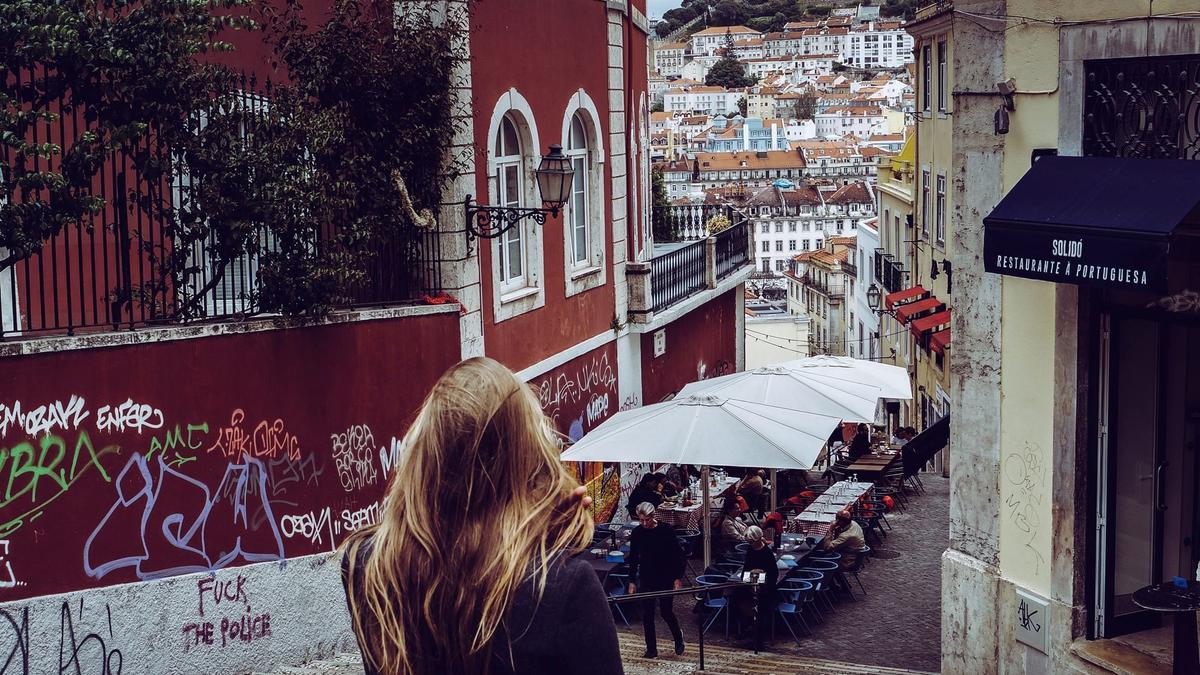
Alfama is the Lisbon on the postcards — the oldest district, a tangle of tiled alleys and washing lines spilling down the hill below the castle, with fado drifting out of tiny restaurants at night. It's atmospheric in a way no other neighborhood matches.
The catch: it's steep, the lanes are cobbled and confusing, and there's no metro station inside it. Choose Alfama if you want character over convenience and don't mind stairs. Look for a room in Alfama on the lower streets near Santa Apolónia rather than the summit, so you're not climbing every time you forget your charger.
At night, book a proper fado dinner or an Alfama walking tour rather than following a laminated menu into the first tourist spot — the real fado houses are small and fill up.
Baixa and Chiado: Flat, Central, and Walkable
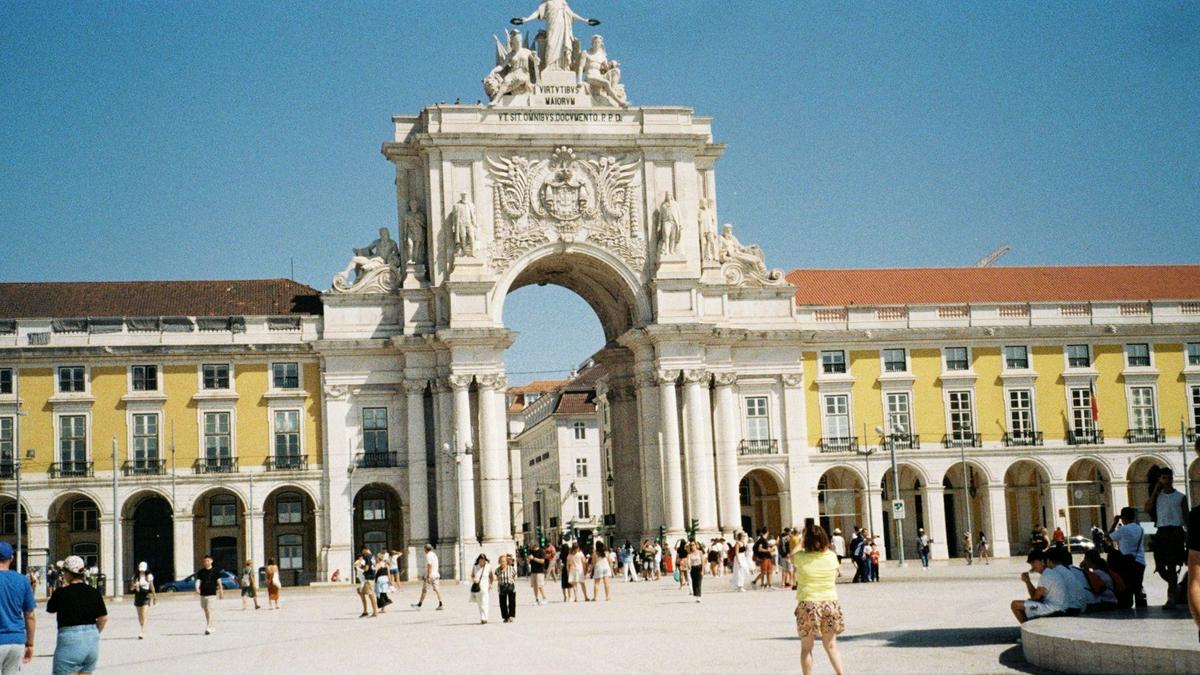
If it's your first time and you want to walk out the door straight into the city, stay in Baixa and Chiado. Baixa is the flat, grid-planned downtown between the river and the hills — grand squares, the Santa Justa lift, and metro stations that connect everywhere. Chiado, just uphill, is the elegant shopping-and-café quarter that blends into the nightlife of Bairro Alto above it.
This is the easy-mode base: level ground, transit on your doorstep, and a 10-minute walk to most of what you came to see. Hotels in Baixa and Chiado cost a little more, but you save it back in taxis and energy. It's the pick I'd give almost every first-timer.
Príncipe Real: The Quieter Local Pick
Want somewhere calmer that still feels like Lisbon lives there? Príncipe Real, just above Bairro Alto, is a leafy, upscale pocket of garden squares, concept stores, and neighborhood restaurants. It's a short walk downhill into the action but far enough to sleep. Good for couples, repeat visitors, or anyone who found central Lisbon a touch too loud.
Things to Do Between Neighborhoods
Wherever you base yourself, the sightseeing overlaps — and a couple of smart choices save you the worst crowds.
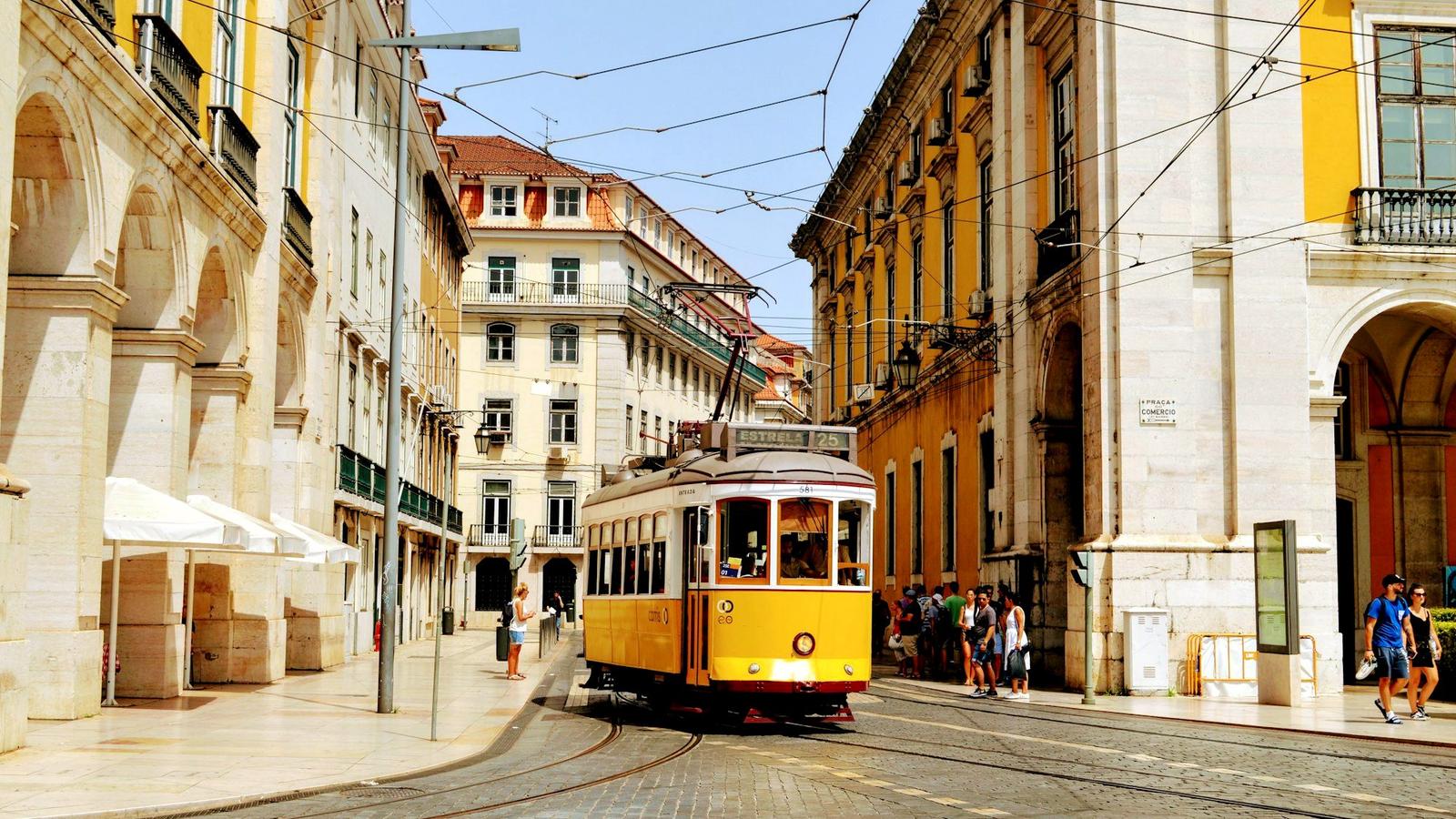
Skip the hour-long queue to squeeze onto Tram 28; walk the same hillside route uphill early instead, and ride a near-empty tram back down. And rather than paying for a viewpoint, climb to the free Miradouro da Senhora do Monte for the widest view in the city, best at sunset.
For the bookable sights — the Belém Tower, Jerónimos Monastery, a Sintra day trip — a few tickets sell out days ahead. Line them up in advance, or grab a Go City Lisbon pass if you're hitting several:
Getting Around Once You're Here
Central Lisbon is walkable, but the hills are real. The metro is fast, clean, and cheap for longer hops; the historic trams and funiculars handle the climbs. Buy a rechargeable Viva Viagem card at any metro station and load it with zapping credit — it works on metro, tram, bus, and the funiculars.
One thing to know: the famous yellow trams are also the city's top pickpocket spots. Keep your bag in front and your phone away in the crush.
People Also Ask
Where should I stay in Lisbon for the first time?
Baixa or Chiado. They're flat, central, and connected to the metro, so you can walk or ride to almost everything without tackling the hills daily. Alfama is more atmospheric but steep and harder to reach with luggage — save it for a repeat visit or a shorter stay.
Is it better to stay in Alfama or Baixa?
Baixa for convenience, Alfama for character. Baixa is level, walkable, and well connected; Alfama is the tiled, hilly old town with the fado houses but no metro and lots of stairs. First-timers usually prefer Baixa; return visitors often choose Alfama.
Is Lisbon walkable?
The center is, but it's hilly — expect steep climbs and slick cobblestones. Stay central and flat, wear shoes with grip, and lean on the trams, funiculars, and metro for the uphill stretches.
The Bottom Line
For a first trip, base yourself in flat, central Baixa or Chiado, treat Alfama as the atmospheric wander it's best at, and let the trams do the climbing. Sort your arrival, eSIM, and any sell-out tickets before you go, and Lisbon rewards you with one of Europe's most walkable, characterful cities. Pairing it with another Iberian stop? My fast-paced 3-day Barcelona route uses the same group-by-neighborhood logic.