The Best eSIM for International Travel: An Honest, Money-First Guide
Some links in this post are affiliate links — if you book or buy through them, we may earn a small commission at no extra cost to you. How this works.
The arrivals hall in Bangkok smelled like cold air-con and floor polish, and my phone had exactly zero bars. There's a SIM kiosk right past baggage claim, lit up like a slot machine, quoting me 900 baht (~$26) for a week of data I'd half-use. I walked past it, opened my settings, and tapped a plan I'd bought on my couch three days earlier for eight dollars.
That's the whole pitch for the best eSIM for international travel: sort the boring stuff before you land, so you never haggle at a kiosk or eat a roaming bill again. No SIM tray, no paperclip, no scratched-up plastic card you'll lose by day three. Just data that switches on the second the wheels touch down.
Not gonna lie, I resisted eSIMs for way too long. I'm a physical-SIM guy from the era of hunting for a phone shop in every new country. Then I did it once the easy way and never went back.
eSIM vs Local SIM: What Actually Changed
Here's the thing about the old eSIM vs local SIM debate — it used to be a real trade-off, and now it mostly isn't. A local SIM was cheaper per gigabyte, sure. But you paid for that in time, taxi rides to a carrier shop, and a language barrier at the counter.
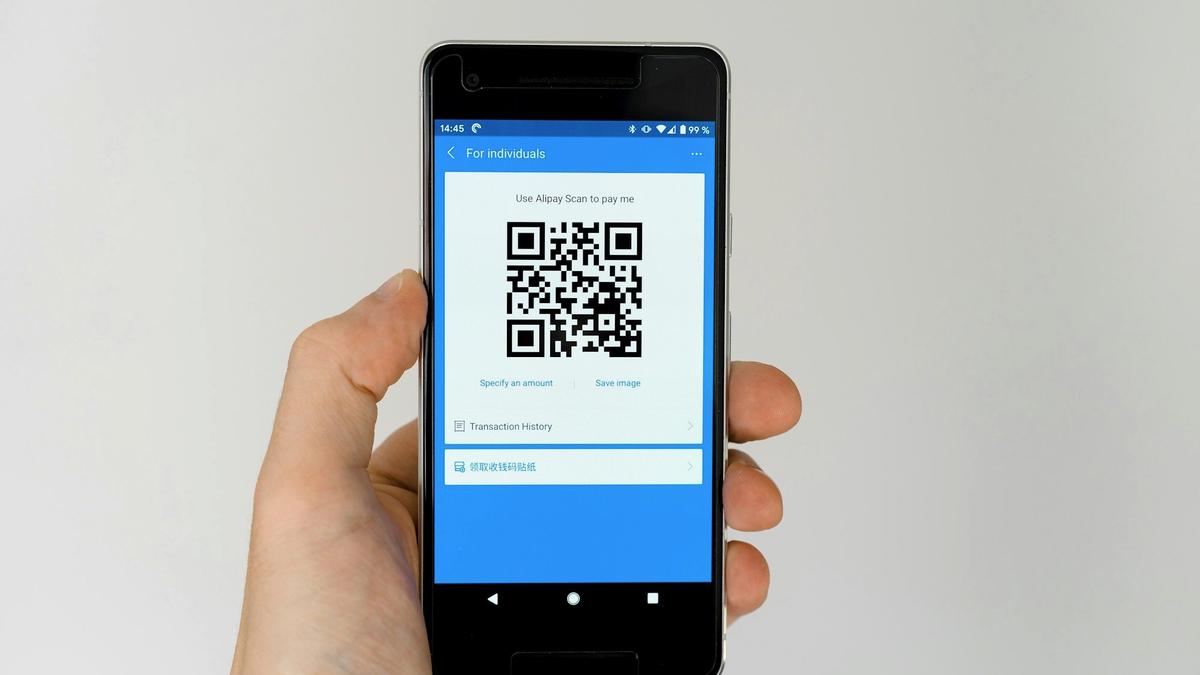
An eSIM is just a SIM profile you install as software. Your phone keeps its normal number on the physical line and runs data on the eSIM. You buy it online, scan a QR code, and it's live — no store, no deposit, no passport photocopy.
The catch used to be price. These days a regional eSIM runs $4–$15 for enough data to cover a normal trip, which is close enough to a local SIM that the hassle you skip is worth the small premium. For a fast, move-every-day trip, it's the same logic as my carry-on-only packing list — spend where it counts, skip the friction that costs you a morning.
One real caveat, because I got burned by it: not every phone takes an eSIM. Most iPhones since the XS, Pixels since the 3, and recent Samsung Galaxy S models do. Older or region-locked handsets don't, so check your phone before you buy anything.
The Smart-Save Setup: Cheap Data Abroad Without the Airport Markup
This is the budget half, and it's stupidly simple once you've done it once. The move is to buy the eSIM before you fly, on home wifi, while your brain isn't fried from a 14-hour flight. Airport kiosks and carrier roaming exist to catch you at your weakest, jet-lagged and desperate for a maps signal.
For a single-country trip, I grab a country plan from Airalo — it's the one I've used most, and the coverage list is enormous. A typical week in one country is 1–3 GB for around $5–$9, which is plenty if you lean on wifi for the heavy stuff.
That's the second half of cheap data abroad: use free wifi for the big downloads. Offline maps, Netflix for the flight, a translation pack, that 2 GB podcast backlog — pull it all over hotel or café wifi before you leave the building. Your eSIM data is for maps, messages, and the odd rideshare, not for streaming in a taxi.
A few habits that keep the bill tiny:
- Download offline Google Maps for your whole city before you land — it's the single biggest data-saver there is.
- Turn off background app refresh on cellular so your phone isn't quietly syncing photos on a foreign network.
- Buy regional, not per-country, if you're crossing borders — one Yesim regional plan covering, say, all of Southeast Asia beats buying four separate SIMs.
Real talk, the airport kiosk isn't a scam exactly — it's just the lazy tax. You're paying triple for the convenience of not planning ten minutes ahead. Plan the ten minutes.
The Splurge: One Global Plan So You Never Hunt for a SIM Again
Here's where I break my own budget rules. If you're doing a long, multi-country trip — think a three-month backpacking loop or full-time nomad life — the smart-save math flips. Buying a fresh country eSIM every week becomes its own part-time job.
The worth-it splurge is a global or unlimited regional plan that just follows you across borders. Yesim does a solid global option, and Airalo's regional and global plans scale up nicely too. You pay more per gigabyte, but you buy back the thing that actually matters on a long trip: never once thinking about connectivity.

For what it's worth, this is the same peace-of-mind logic behind travel insurance — you're not paying for the normal days, you're paying for the one that goes sideways. If you're on the road long enough to want an unlimited eSIM, you're on the road long enough to want proper cover; SafetyWing is the subscription-style plan most long-haul nomads I know actually use.
I ran an unlimited plan across five countries on one trip and never opened a single settings menu after the first airport. No top-ups, no new QR codes, no "which SIM is this again." That's the entire product, and on a long trip it's worth every extra dollar.
How Does a Travel eSIM Actually Work?
Quick version, because people ask me this constantly. You buy a plan in an app, it sends you a QR code, you scan it in your phone's settings under Add eSIM / Add Cellular Plan, and a data profile installs. You leave it switched off until you land, then flip it on and pick it as your data line.
Your regular number stays put on your physical SIM for calls and texts. The eSIM just handles data. You can keep both active — home line for the bank OTP, eSIM for maps — which is honestly the best part.
One rule I live by now: install the eSIM at home, but don't activate it until you arrive. Most plans start their clock on first connection, so activating early burns days you paid for. Install on the couch, activate at the gate on the other end.
People Also Ask
Is an eSIM cheaper than roaming?
Almost always, and it's not close. A week of a travel eSIM often costs less than a single day of a home carrier's roaming pass, and you're never surprised by a bill because you prepaid a fixed amount.
How much data do I actually need?
For a one-week trip leaning on wifi, 1–3 GB is plenty. If you stream or hotspot a laptop, budget 5 GB or an unlimited plan. Offline maps and pre-downloaded media are what keep the number low.
Can I use an eSIM and my normal number at the same time?
Yes, that's the whole appeal of dual-SIM. Keep your home number active for calls and two-factor codes while the eSIM carries data — just set the eSIM as your default data line and turn roaming off on the home line.
What if my phone doesn't support eSIM?
Then a local physical SIM or a portable wifi hotspot is your fallback. Check compatibility first — dialing *#06# and looking for an EID number is a quick tell that your phone is eSIM-ready.
Does an eSIM work for calls and texts too?
Data plans are data-only, but that's fine — WhatsApp, iMessage, and Signal all run over data. If you need a real local number for restaurant bookings, a few providers sell eSIMs with a number, but most travelers never need one.
The Bottom Line
The best eSIM for international travel isn't one single brand — it's the habit of sorting your data at home for a few dollars instead of panic-buying at an arrivals kiosk for triple. Grab a country plan for short trips, a global one for long hauls, and lean on wifi for everything heavy. If you're the type who navigates a whole city by phone — the way I got through Seoul without speaking Korean — this is the ten-minute prep that saves the whole trip.