Cairo 3 Day Itinerary: Pyramids, Souks and the Grand Egyptian Museum
Some links in this post are affiliate links — if you book or buy through them, we may earn a small commission at no extra cost to you. How this works.
In this guide
How This Cairo 3 Day Itinerary Works
This Cairo 3 day itinerary puts the outdoor sights in the cool early hours and the museums in the afternoon heat. Day 1 is Giza and the Grand Egyptian Museum (GEM), Day 2 is Islamic Cairo on foot, and Day 3 is Saqqara, Old Cairo and the royal mummies.
Cairo splits in two for this plan. The west bank holds the Giza Plateau and the GEM; the east bank holds the Citadel, al-Muizz Street and Old Cairo. The sights of Days 1 and 2 each stay on one side of the Nile, and Day 3 crosses it.
Season sets the clock. Average highs run from 19°C (66°F) in January to about 35°C (95°F) in July, per the World Meteorological Organization's Cairo climate normals for 1981 to 2010. November to March is the easiest window; in summer, move the outdoor walks of Days 2 and 3 to the early morning and spend the middle of the day in the museums.
The GEM is the one ticket to book before you fly, on the museum's own ticket site; a car and driver for Saqqara is the other booking to make ahead. For the wider country picture, start with the Egypt travel guide.
Where to Base: Giza or Zamalek
Base yourself by the day that matters most to you.
- Giza, near the plateau: the shortest run to the 8 am gate on Day 1, with the GEM on the same side of the river. The trade-off is a longer ride to the old city on Day 2.
- Zamalek, on an island in the Nile between the two banks: it splits the ride time, so neither the Giza day nor the old-city day starts with the longest ride.
Compare Cairo hotels on Klook in both areas before you lock your dates. Pick Giza if the pyramids are the reason for the trip; pick Zamalek if all three days matter equally.
Arriving and getting around
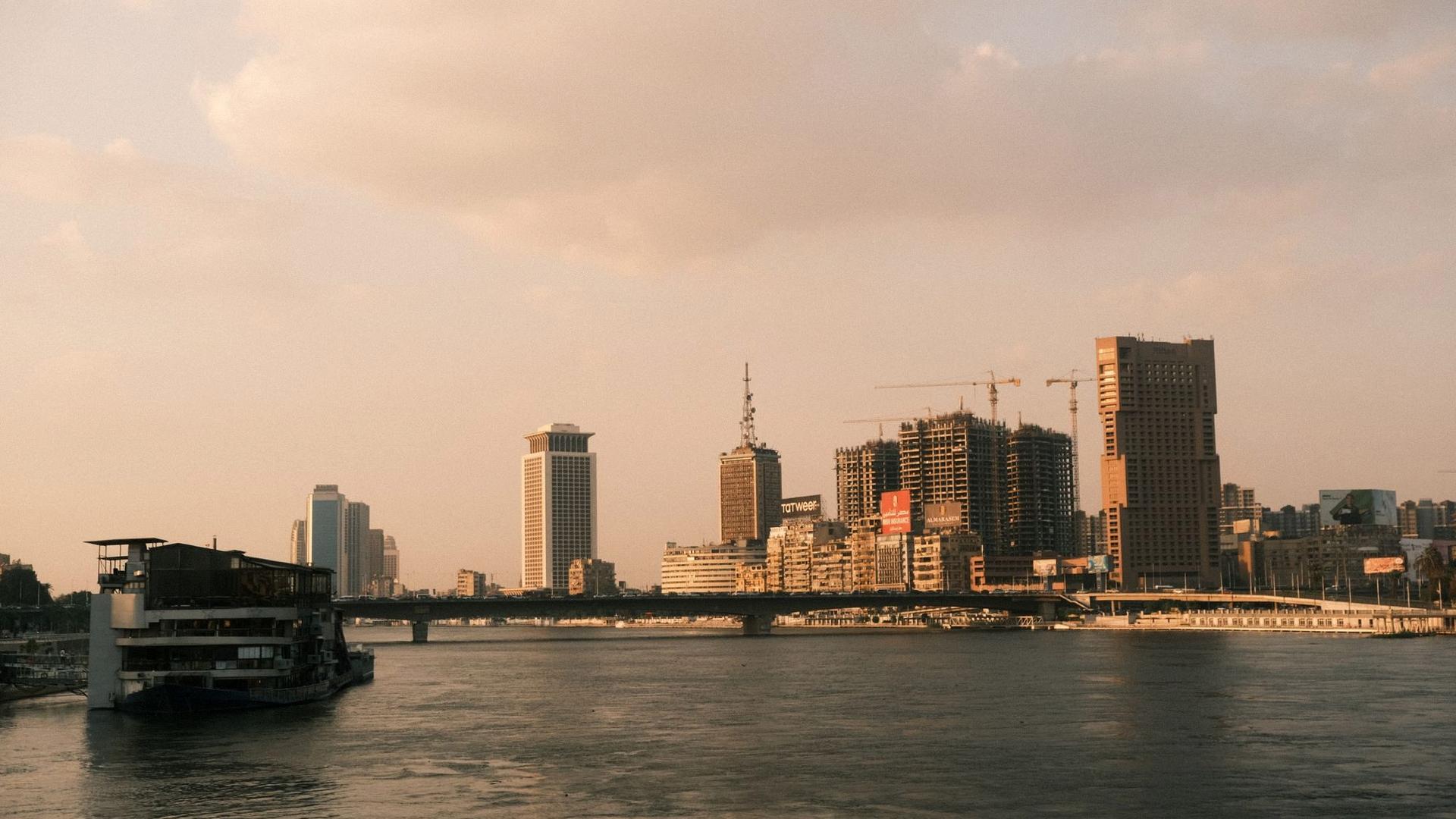
Cairo International Airport (CAI) sits in Heliopolis, and Oruba Road is its main link to downtown, per Cairo Airport's own site. Fixed-price limousine services pick up curbside in front of the terminals, priced by destination and car category, and the white taxis run on meters. For a late landing, book a private transfer ahead on Kiwitaxi's Cairo airport page.
Ride-hailing apps are widely used across Greater Cairo, according to Egypt's official tourism portal. Street taxis must have a working meter by law, so check that it's on when the ride starts. Egypt still runs largely on cash for taxis and small shops, so carry Egyptian pounds.
Check current entry rules on Egypt's official e-Visa portal before you book.
Day 1: Giza Plateau at 8 am, Grand Egyptian Museum After Lunch
Outdoors while it's cool, indoors when the sun peaks. This Giza pyramids itinerary starts at the plateau gate and ends in the museum galleries.
8:00 am: The pyramids and the Sphinx
From a Giza base the plateau is a short ride-hailing trip; from Zamalek the ride crosses the river, so leave extra time in morning traffic. Be at the gate for 8 am, the opening time on the Ministry of Tourism and Antiquities' Giza Plateau page. The Ministry's Great Pyramid page lists 7 am, so confirm the hours on the Ministry's site the day before.
Area entry costs EGP 700 for foreign adults and EGP 350 for students. It doesn't cover the insides of the three pyramids, the Tomb of Meresankh III or the Workers' Cemetery. To skip arranging the ride, the Giza ticket with round-trip transport and hotel pickup in the At-a-glance box covers both; check its pickup time against the 8 am opening.
Going inside the Great Pyramid costs EGP 1,000 more (EGP 500 for students). The route climbs the Grand Gallery, a corbelled ascending passage, to the King's Chamber, where Khufu's sarcophagus still sits.
Book it if you want that chamber; skip it if steep, enclosed passages bother you. If you go, go first, before the heat builds.
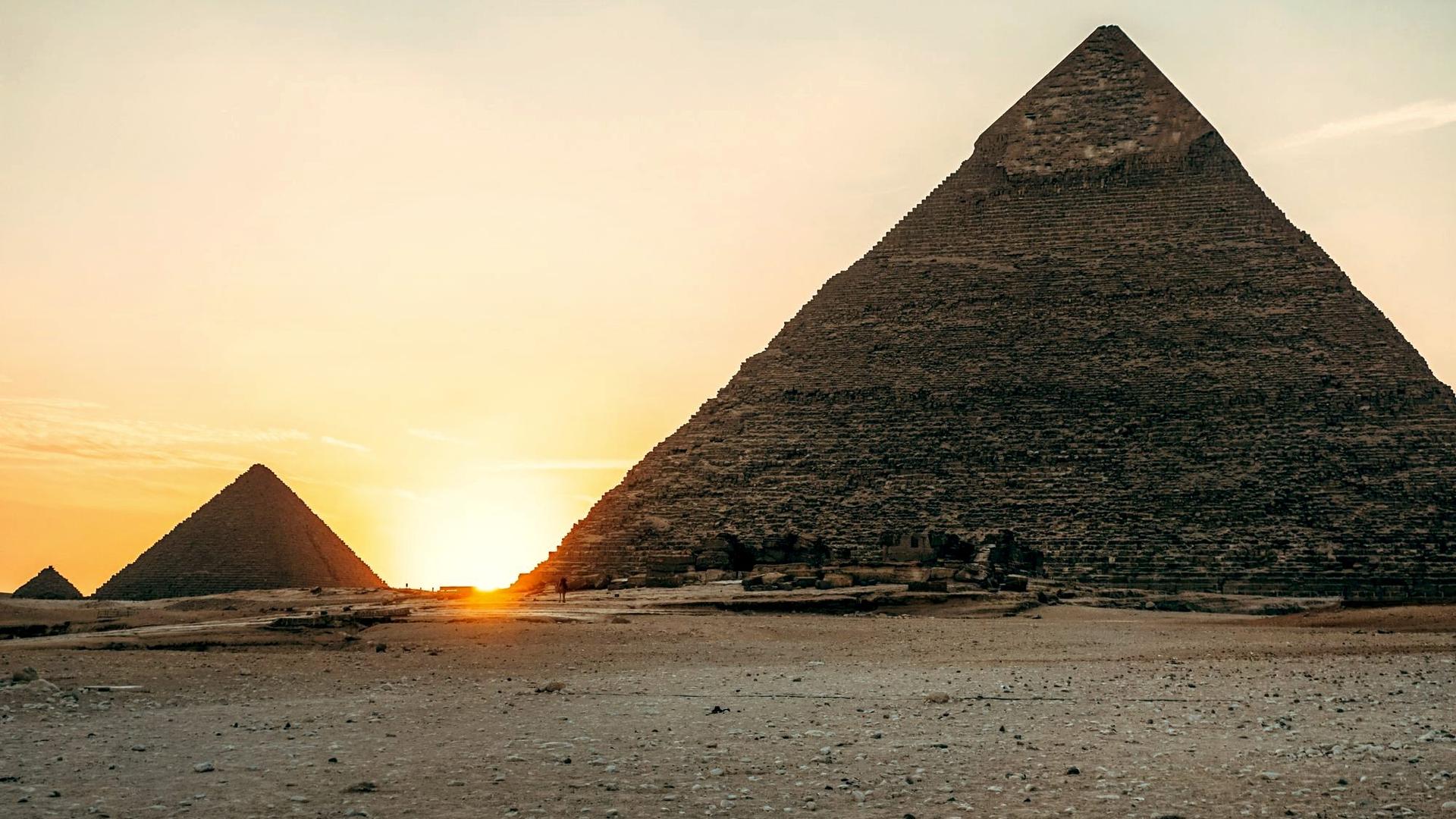
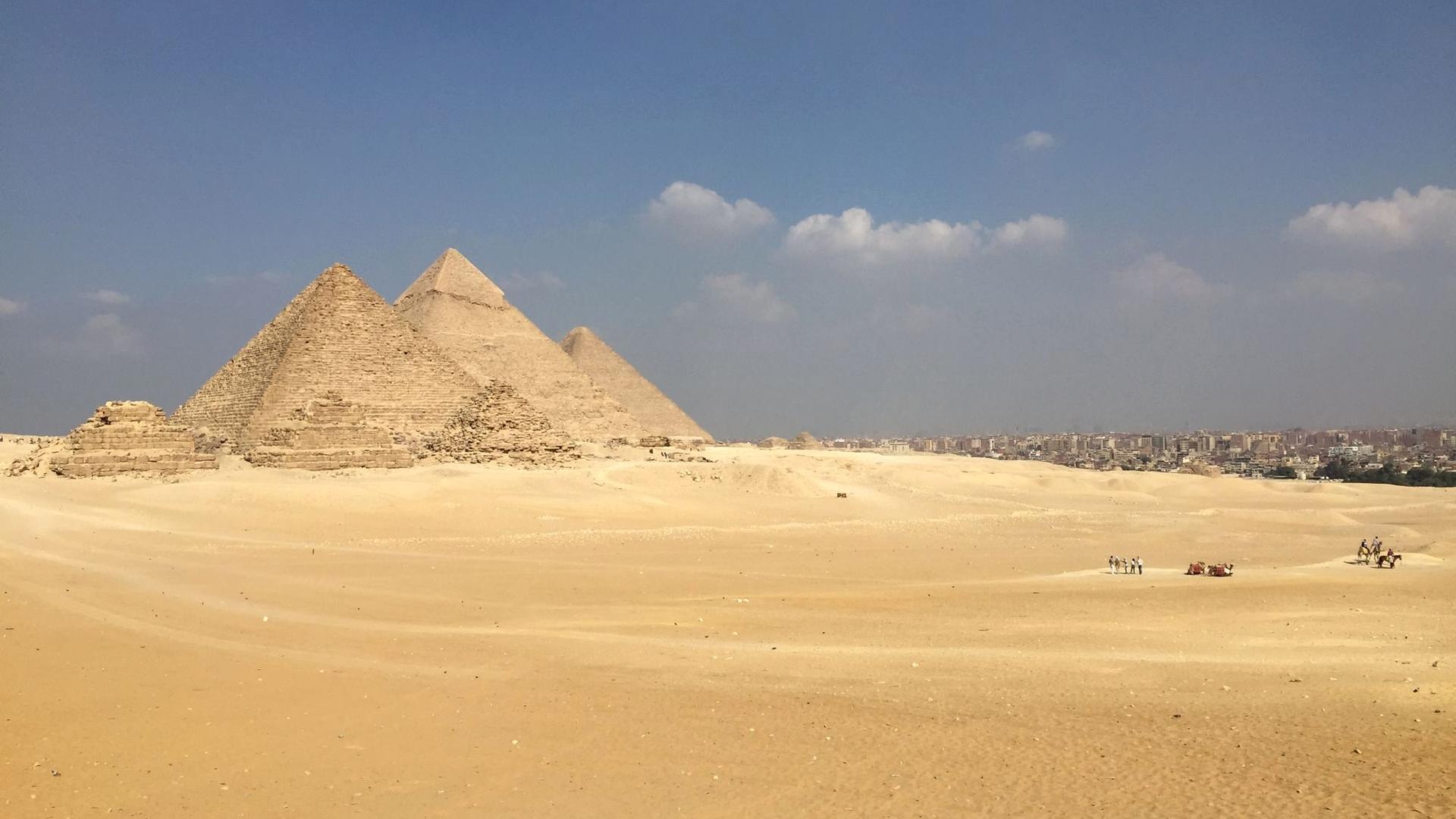
Then walk the plateau. Khufu's pyramid stood 146.5 meters tall and stayed the world's tallest structure for 3,800 years. Khafre's and Menkaure's pyramids follow, ringed by smaller queens' pyramids, and the Great Sphinx closes the loop.
Expect offers of camel and horse rides; "la, shukran" (no, thank you) is the polite way to say no. Pack comfortable shoes, which Egypt's tourism authority recommends for archaeological sites, plus a hat and sunscreen, which it lists as hot-weather essentials.
Noon: Lunch, then the museum
Leave the plateau before noon, eat, and take a short taxi or ride-hailing trip to the GEM. Aim to walk in by 1 pm, which leaves five hours before the standard 6 pm close.
1:00 pm: Grand Egyptian Museum visit tips
- Book on tickets.gem.eg: the museum calls it the only official website for its tickets and takes no responsibility for tickets bought elsewhere.
- Read the hours: galleries open 9 am to 6 pm on Sunday, Monday, Tuesday, Thursday and Friday, and 9 am to 9 pm on Wednesday and Saturday. Last entry is one hour before the galleries close.
- Pick the day: put Day 1 on a Wednesday or Saturday and the afternoon stops being a race.
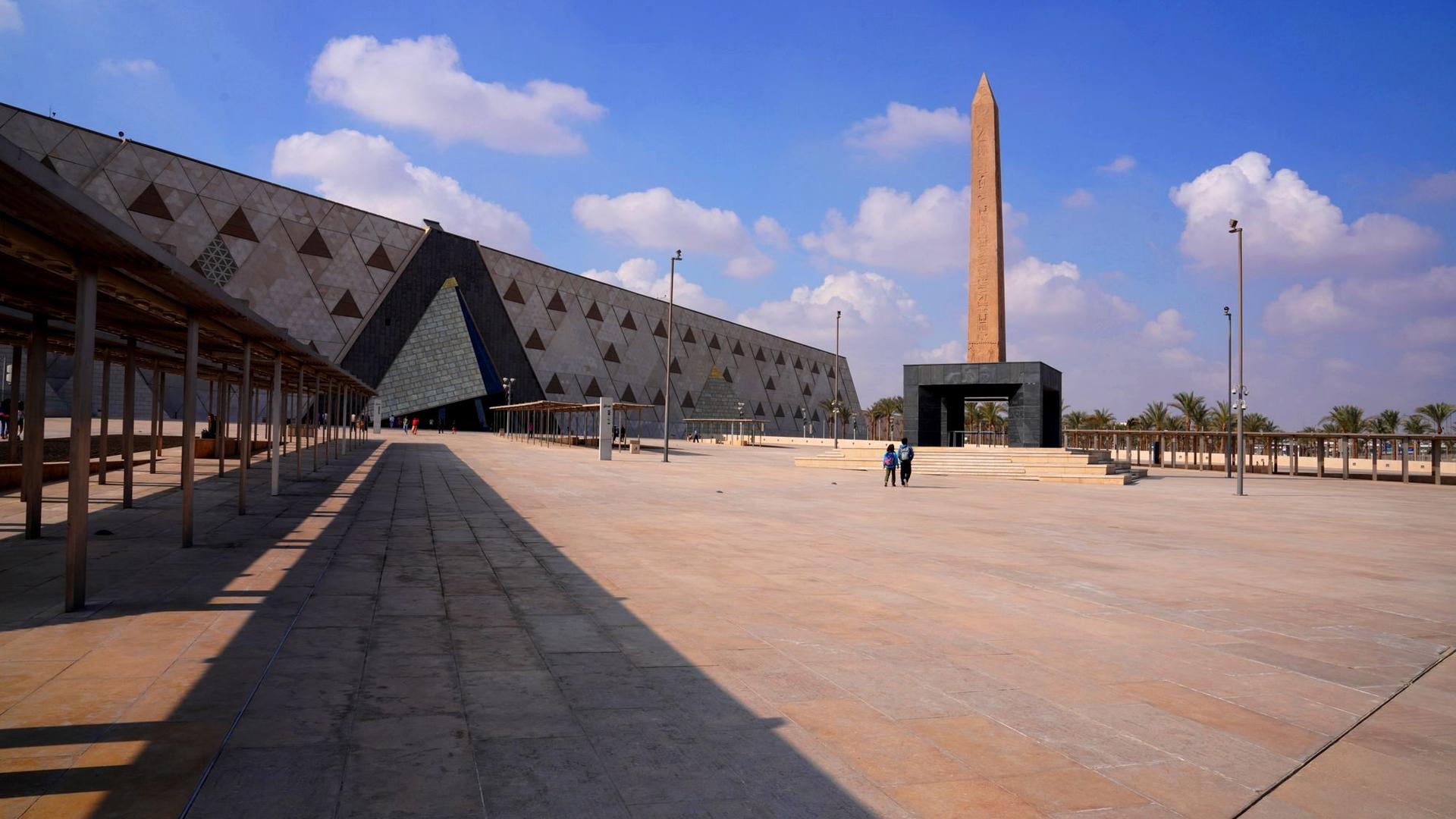
- Know what's included: the Tutankhamun Galleries, the Main Galleries, the Grand Hall, the Grand Stairs, Khufu's Boats Museum, the commercial area and the gardens.
- Order the visit: start with the Tutankhamun Galleries while you're fresh, then the Main Galleries, and finish at Khufu's Boats Museum. Plan on at least four hours.
Evening: Stay late or rest up
On a Wednesday or Saturday, stay until the galleries close at 9 pm. On other days, head back to your base early. Day 2 is on foot.
Day 2: Islamic Cairo, From the Citadel to Khan el-Khalili
Day 2 moves through historic Cairo, mostly on foot, from the hilltop Citadel down to the bazaar. Dress for mosques: Egypt's tourism authority asks visitors to cover arms and legs at mosques, churches and synagogues, so carry a scarf or a light layer.
8:00 am: The Citadel
Take a ride-hailing car to the Cairo Citadel; from Giza it is the longest ride of the day and crosses the river, shorter from Zamalek. The Ministry lists it from 8 am to 5 pm. Entry is EGP 550 (EGP 275 for students). Saladin ordered the fortress built on the Muqattam Hills in 1176, and Sultan al-Kamil finished it and made it the rulers' residence.
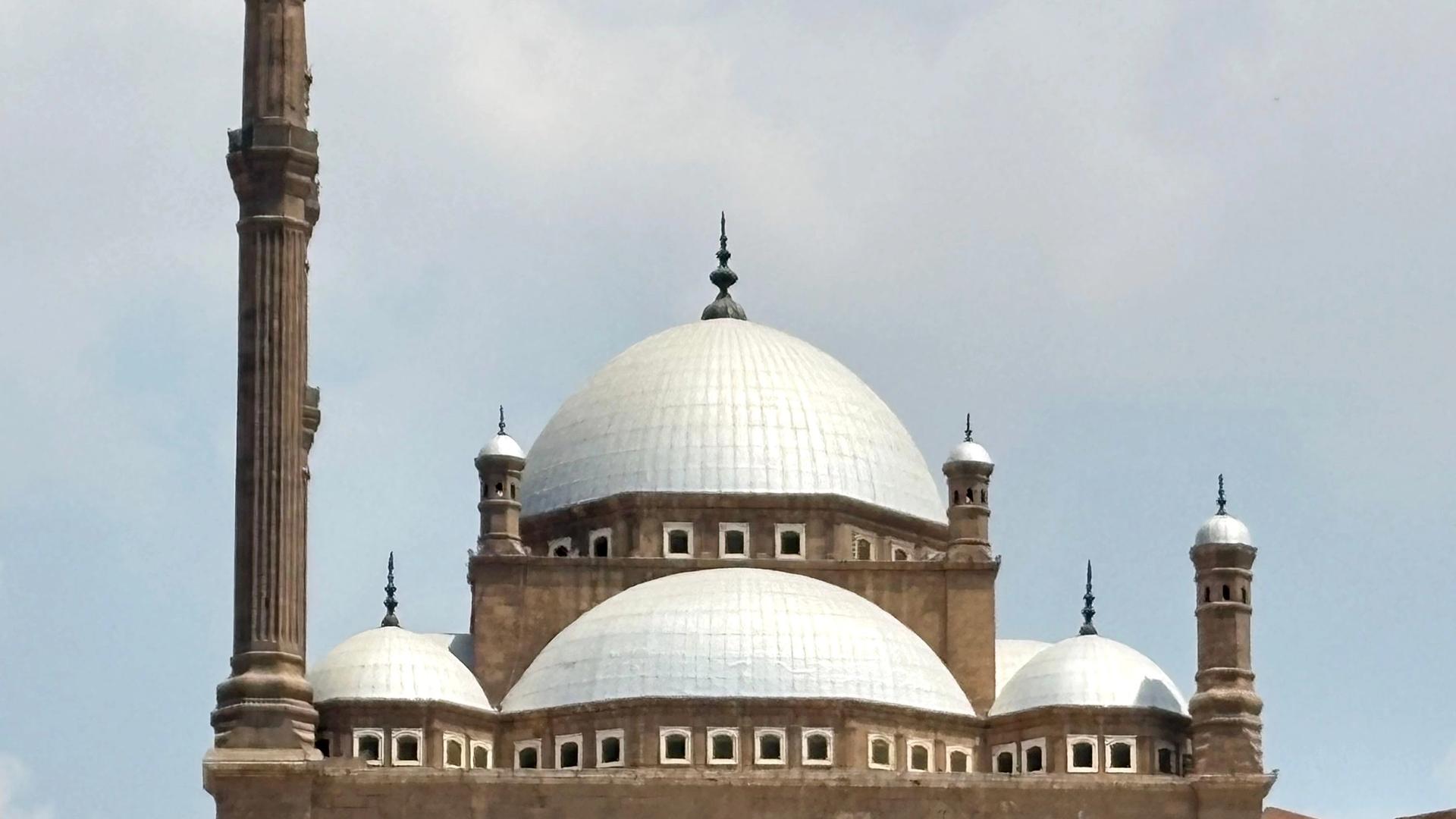
The Mosque of Muhammad Ali Pasha dominates the Citadel. The hilltop gives a wide view across the city. Give the Citadel about two hours, then walk down to Salah al-Din Square, which the Ministry places just beneath the Citadel.
10:30 am: Sultan Hasan and al-Rifa'i
The Mosque and Madrasa of Sultan Hasan, commissioned between 1356 and 1362, stands in Salah al-Din Square opposite the 19th-century al-Rifa'i Mosque. One EGP 220 ticket covers both. Inside Sultan Hasan, four iwans (rectangular halls open on one side) frame an open courtyard with a fountain at its center.
12:30 pm: Bab Zuwayla
Take a short taxi or ride-hailing trip north to Bab Zuwayla. It's the southern gate of the Fatimid city, built in 1092. Its two minarets belong to the adjoining Mosque of al-Mu'ayyad Shaykh, raised on the gate's towers between 1415 and 1421. Entry is EGP 100; eat nearby before the afternoon walk.
1:30 pm: Al-Muizz Street
Walk north from the gate up al-Muizz Street. It runs from Bab Zuwayla to Bab al-Futuh and passes 29 monuments from the 10th to the 19th centuries. The Ministry lists an EGP 220 inclusive area ticket, open 9 am to 5 pm, that covers listed monuments along it, among them the Qalawun complex, the Mosque of Sultan Barquq and the Palace of Amir Bishtak.
Detour into al-Darb al-Asfar lane for Bayt al-Suhaymi, a house built in 1648 and extended in 1796. Wooden mashrabiya windows look over its garden courtyard, where the wooden gear of the old waterwheel survives. It needs its own EGP 220 ticket, and the street's sites list 9 am to 5 pm (Bayt al-Suhaymi closes at 4 pm on Fridays), so keep moving.
Late afternoon: Khan el-Khalili
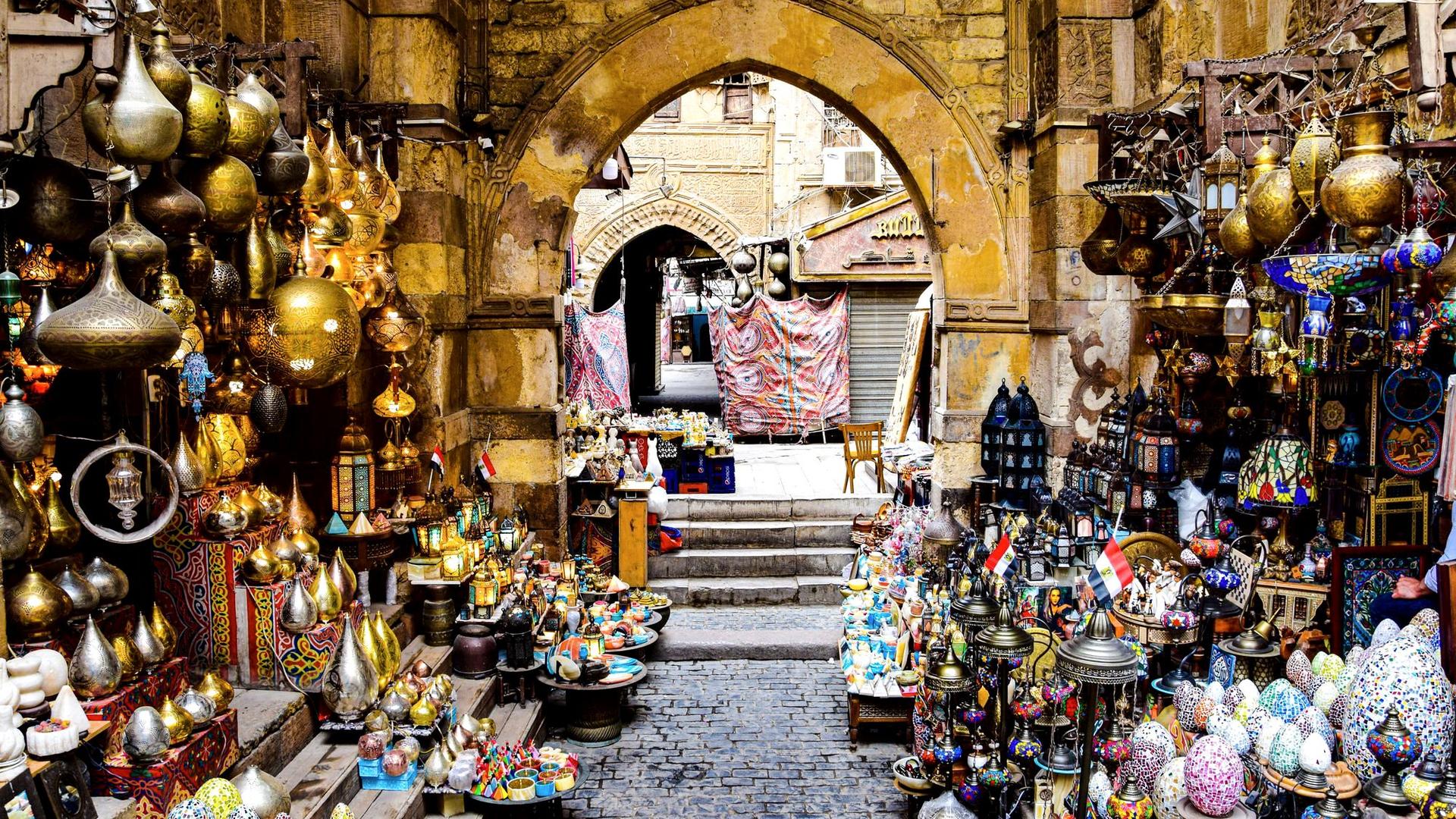
Walk back south to Khan el-Khalili, one of the old lanes the Ministry lists along al-Muizz; markets, vendors and craft shops line the street. Arrive for the last hour of daylight and carry small notes for the stalls. For the ride back to a Giza base, which crosses the city and the river, leave before the evening rush.
Day 3: Saqqara, Old Cairo and the Royal Mummies
Day 3 starts at a pyramid field older than Giza's and ends on the Nile. It adds the layers the first two days skip: the Step Pyramid, Coptic and Jewish Old Cairo, and the pharaohs themselves.
8:00 am: Saqqara
Saqqara sits about 40 km southwest of Cairo, per the Ministry, and opens at 8 am. Hire a car and driver for the day and agree the price and hours first. From a Zamalek base it is the longest drive of the trip, so leave around 7 am.
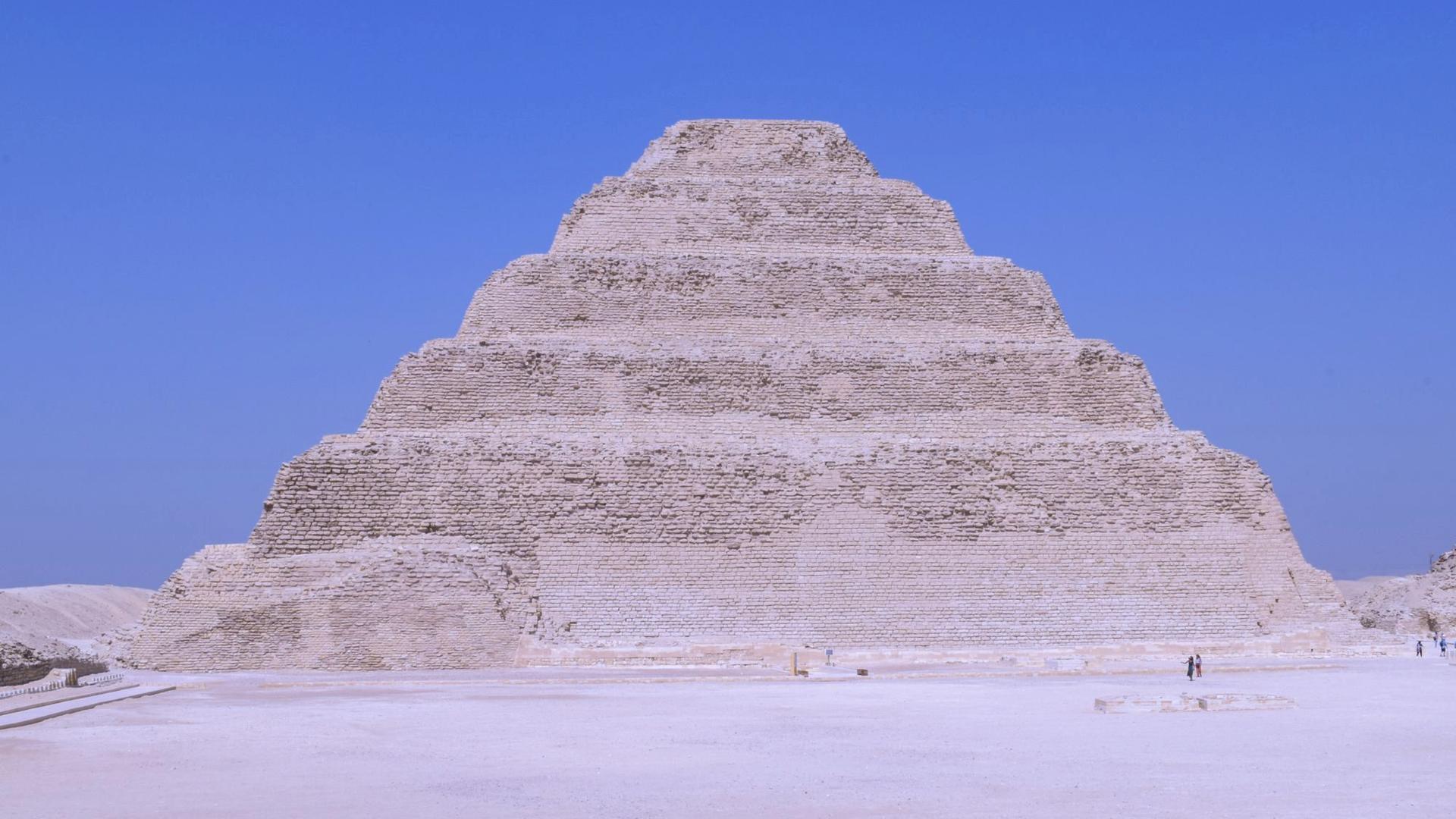
Area entry is EGP 600 (EGP 300 for students) and includes the Imhotep Museum, built in memory of the architect of King Djoser's pyramid. The Pyramid of Djoser is a separate EGP 280 ticket on the Ministry's list; area entry alone doesn't include it. The Serapeum, the underground galleries where the sacred Apis bulls were buried, adds EGP 340.
Give Saqqara two to three hours and leave by 11 am; Day 3 is tight, so keep the driver and leave room for traffic. The Ministry lists the site until 4 pm. The Hanging Church and Ben Ezra Synagogue also close at 4 pm, the hour NMEC sells its last daytime ticket, so see them first.
12:30 pm: Old Cairo
Keep the same driver for the run north to Old Cairo (al-Fustat), the second long drive of the day, and eat when you arrive. The Hanging Church takes its name from its position over the ruins of a Roman fort, near the Coptic Museum. Its walls carry icons dating from the 15th to the late 18th century.
Close by, the Ben Ezra Synagogue is the oldest synagogue in Egypt. Its geniza, a store of documents built up over 850 years and discovered by Europeans in 1888, is known today as the Cairo Geniza. The Ministry lists both sites from 9 am to 4 pm.
2:30 pm: The royal mummies at NMEC
The National Museum of Egyptian Civilization (NMEC) is on Al-Fustat Road in Ain El-Sira, in the same al-Fustat district as the Hanging Church. Take a short taxi or ride-hailing trip there; its nearest metro station is Mar Girgis. It opens daily from 9 am to 5 pm, with the last ticket at 4 pm, plus a 6 pm to 9 pm session on Fridays.
Go straight to the Royal Mummies Hall, laid out to feel like a walk down the Valley of the Kings. It displays 20 royal mummies, including Hatshepsut and Thutmose III. Bags over 40 by 40 cm go to the cloakroom, and photography inside the museum needs a paid photography ticket.
Sunset: A felucca on the Nile
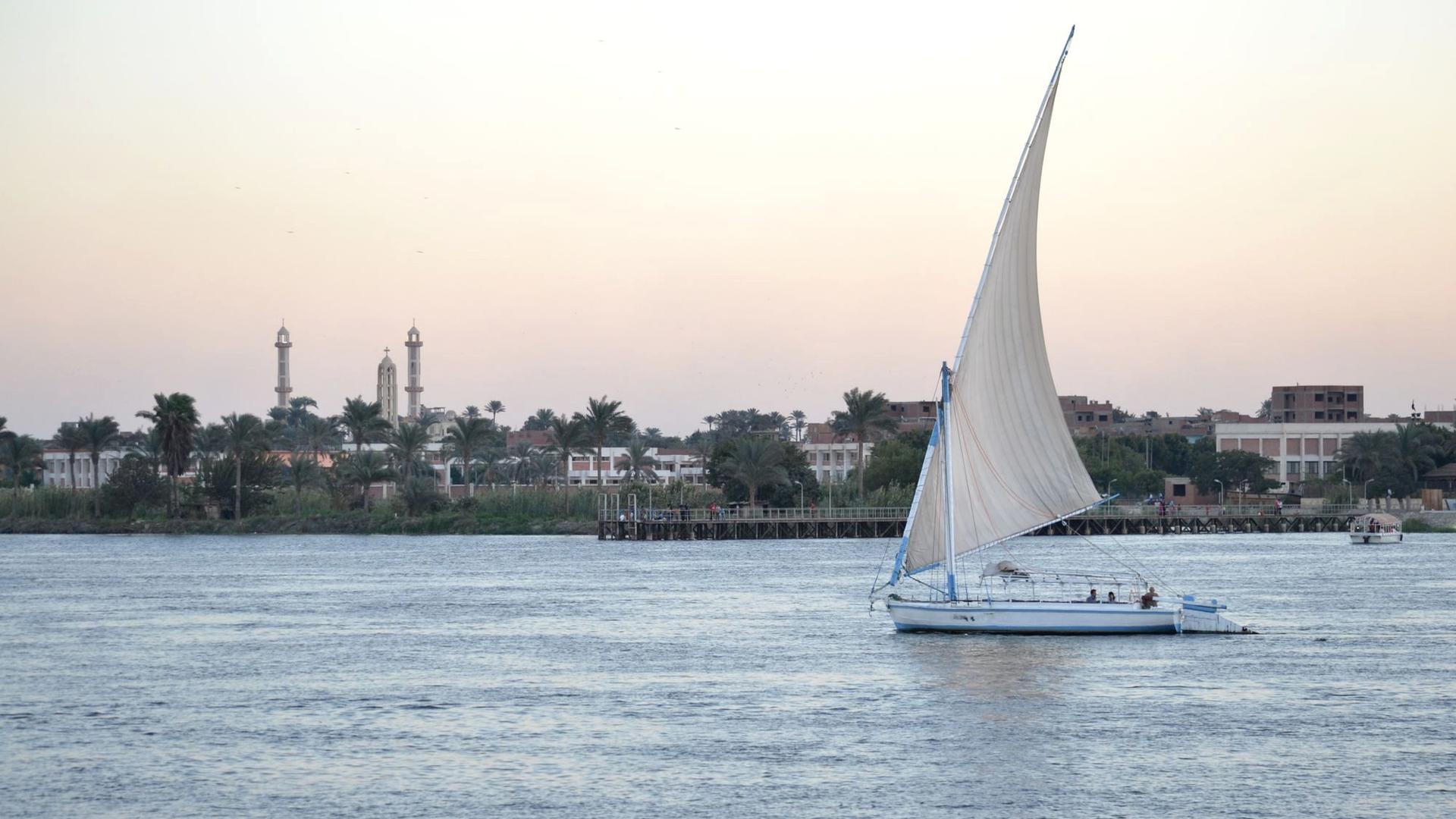
End on the water. Egypt's tourism authority recommends a felucca, the Nile's traditional sailboat, for sightseeing in Cairo. From NMEC, take a short taxi or ride-hailing trip to the riverfront. Agree the price and the length of the ride before you board, and check that day's sunset time so the boat leaves before it.
Tickets to Book and What They Cost
Book two things ahead: the GEM, on its official site, and the car and driver for Saqqara. The Ministry of Tourism and Antiquities publishes the prices for its own sites. Per foreign adult, as checked on November 3, 2026:
- Giza Plateau area: EGP 700
- Cairo Citadel: EGP 550
- Sultan Hasan and al-Rifa'i: EGP 220
- Bab Zuwayla: EGP 100
- Al-Muizz Street area (inclusive ticket): EGP 220
- Bayt al-Suhaymi: EGP 220
- Saqqara with the Imhotep Museum: EGP 600
- Step Pyramid of Djoser: EGP 280
- Optional add-ons: EGP 1,000 for the Great Pyramid interior, EGP 340 for the Serapeum
- Grand Egyptian Museum: shown at checkout on tickets.gem.eg
- NMEC: shown when you buy, through the Buy Ticket link on nmec.gov.eg
The eight Ministry tickets this plan uses total EGP 2,890 per adult, before the GEM, NMEC and rides. Both optional add-ons bring the Ministry total to EGP 4,230. Students pay half the adult price at every Ministry site listed here. The Ministry's pages for the Hanging Church and Ben Ezra Synagogue give hours but no ticket price.
Ride apps and maps need data from the moment you land. Install an Airalo Egypt eSIM before you fly. Or buy a temporary tourist line at a WE, Orange, Vodafone or Etisalat shop; each copies your passport.
Two Days or Four: Adjusting the Route
- Two days: keep Day 1 as written. On Day 2, do the Citadel and Sultan Hasan in the morning, reach NMEC before its 4 pm last ticket, and finish in Khan el-Khalili. Saqqara and al-Muizz Street drop out.
- Four days: add Alexandria. Air-conditioned trains run there from Cairo; check Egyptian National Railways' current booking options for foreign visitors before planning the day. Or give Saqqara a full day with the EGP 1,400 inclusive ticket. It adds the Nobles' Tombs, the New Kingdom tombs and the tombs of Mereruka and Mehu, though not the Pyramid of Djoser or the Serapeum.
Set the GEM date first, since its late Wednesday and Saturday hours anchor Day 1. Then compare flights to Cairo on Kiwi.com for an arrival the night before.
Sources (20)
- Ministry of Tourism and Antiquities — Giza Plateau · Checked
- Ministry of Tourism and Antiquities — The Great Pyramid · Checked
- Grand Egyptian Museum — official ticketing website · Checked
- Ministry of Tourism and Antiquities — Cairo Citadel · Checked
- Ministry of Tourism and Antiquities — Salah al-Din Square · Checked
- Ministry of Tourism and Antiquities — Mosque and Madrasa of Sultan Hasan · Checked
- Ministry of Tourism and Antiquities — Bab Zuwayla · Checked
- Ministry of Tourism and Antiquities — Al-Mu'izz Street · Checked
- Ministry of Tourism and Antiquities — Bayt al-Suhaymi · Checked
- Ministry of Tourism and Antiquities — Saqqara · Checked
- Ministry of Tourism and Antiquities — Imhotep Museum · Checked
- Ministry of Tourism and Antiquities — The Hanging Church · Checked
- Ministry of Tourism and Antiquities — Ben Ezra Synagogue · Checked
- National Museum of Egyptian Civilization — Plan your visit · Checked
- National Museum of Egyptian Civilization — Mummies Hall · Checked
- National Museum of Egyptian Civilization — Visitor tips and policies · Checked
- Experience Egypt (Egyptian Tourism Authority) — Useful information · Checked
- World Meteorological Organization — Cairo climate normals, 1981–2010 (data file) · Checked
- Cairo Airport — Airport information · Checked
- Cairo Airport — Move from / to airport · Checked
Drafted with AIReviewed by an editorFacts checked: How guides are made