Beyond the Tapas Bars: The Ultimate Culinary Guide to Oaxaca, Mexico
Some links in this post are affiliate links — if you book or buy through them, we may earn a small commission at no extra cost to you. How this works.
The 60-Peso Dinner That Beat Every Restaurant
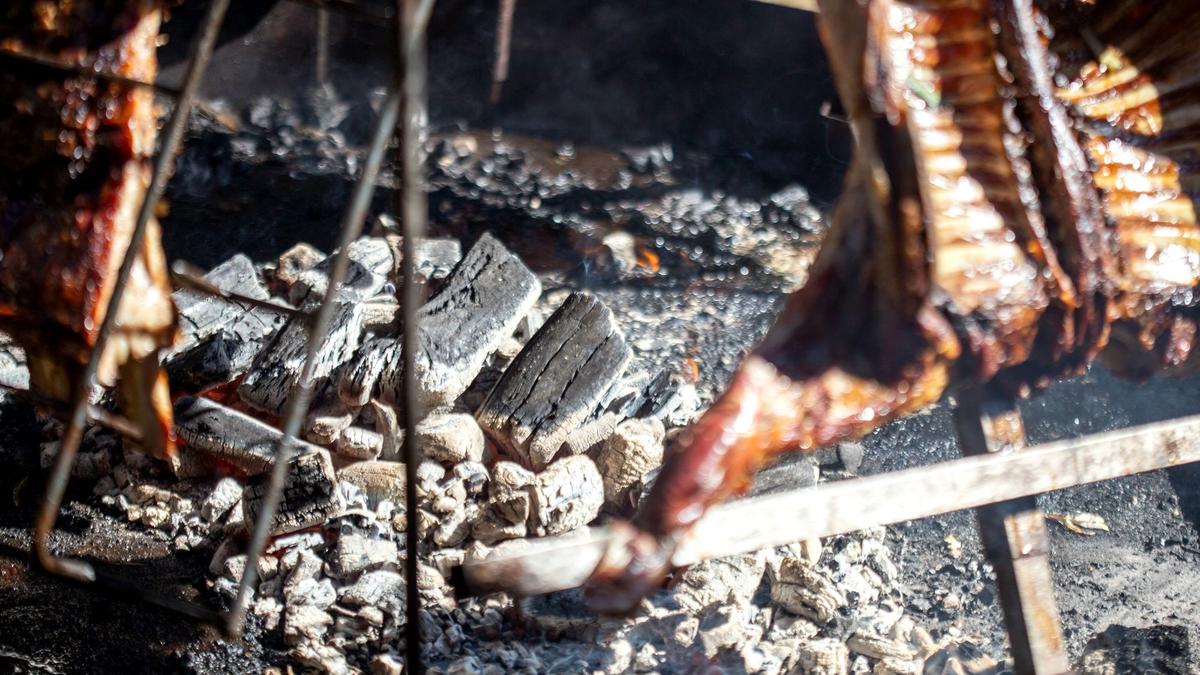
It's 9 pm inside Mercado 20 de Noviembre and my eyes are streaming. Not from emotion — from the charcoal smoke. The whole hall runs on grills, and I'm hunched over a scratched metal counter while a woman flips a tlayuda the size of a steering wheel. This is oaxaca best street food, and dinner set me back 60 pesos.
Real talk: I came to Oaxaca to eat cheap and somehow left having spent more on one bottle of mezcal than on three days of meals. That contrast is the entire strategy.
Why the High-Low Game Works in Oaxaca
Here's the thing about Oaxaca — the cheapest food is the best food. Market cooks have run the same handful of dishes for generations, so there's no reason to blow money on lunch. The savings free up cash for the one thing worth splurging on: mezcal, made by families out in the dry valleys.
So the play is simple. Eat like a broke student. Drink like you inherited money. Often in the same afternoon. It's the same high-low move that keeps Tokyo cheaper than its reputation — just swap the sushi splurge for mezcal.
The Smart Save: Markets, Grills, and Agua Fresca
Every cheap win I had came from a market. If you only build one habit for authentic mexican culinary travel, make it this: eat where the line is longest and the plastic stools are the most scuffed.
Mercado 20 de Noviembre
This is the big one. Walk into the Pasillo de Humo — the smoke hall — and the system throws you off at first. You buy raw tasajo (thin beef) or cecina (chili pork) by weight from one counter, hand it to a grill cook, and they char it while you grab warm tortillas and blistered spring onions. A full plate runs about 80 to 120 pesos.
No joke, it was the best meat I ate in Mexico, cooked over the same coals for decades.
What to Eat in Oaxaca for Under 100 Pesos
Here's the short list I ate on repeat. Prices are what I actually paid in the markets, not the cafés on the zócalo.
- Tlayuda — a giant crisp tortilla with beans, quesillo, and meat. About 60 pesos.
- Memelas — thick masa cakes with lard, beans, and cheese. About 25 pesos.
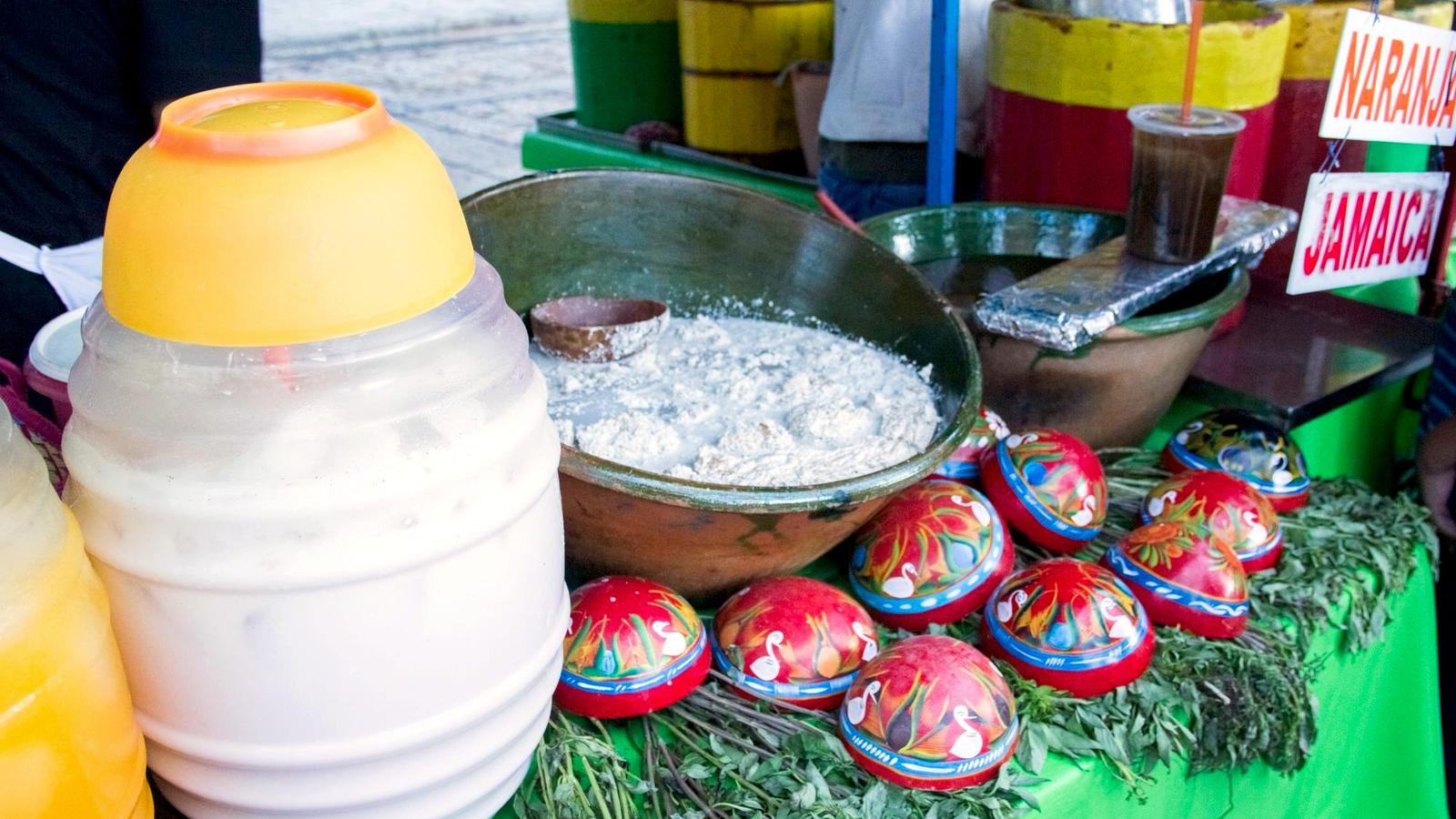
- Tejate — a cold corn-and-cacao drink whipped by hand from big painted bowls. About 20 pesos.
- Chapulines — toasted grasshoppers with lime and chili. About 30 pesos a cup. Crunchy, salty, weirdly addictive.
- Quesillo — Oaxaca's stringy cheese, pulled fresh. Grab it next door at Mercado Benito Juárez.
Quick gut-check on the markets oaxaca food scene: Benito Juárez is for shopping and snacks, 20 de Noviembre is for sit-down grilled meals. They share a wall, so hit both.
The Rookie Mistake I Made
Not gonna lie — my first morning I sat down at a pretty spot near the zócalo and paid 180 pesos for eggs and a coffee. Same money buys three market meals. After that I only sat down for mezcal.
The Splurge: A Family Mezcal Palenque in the Valley
Here's where the saved money goes. About an hour southeast of the city, past Santiago Matatlán, the road runs through fields of blue-gray agave. This is mezcal country, and the small family distilleries — palenques — are the reason to spend.
For what it's worth, this was the single best thing I did in Oaxaca. Book a tour that visits a working, multi-generation palenque instead of a slick showroom. The Oaxaca mezcal distillery tour out to the valley earned every peso.
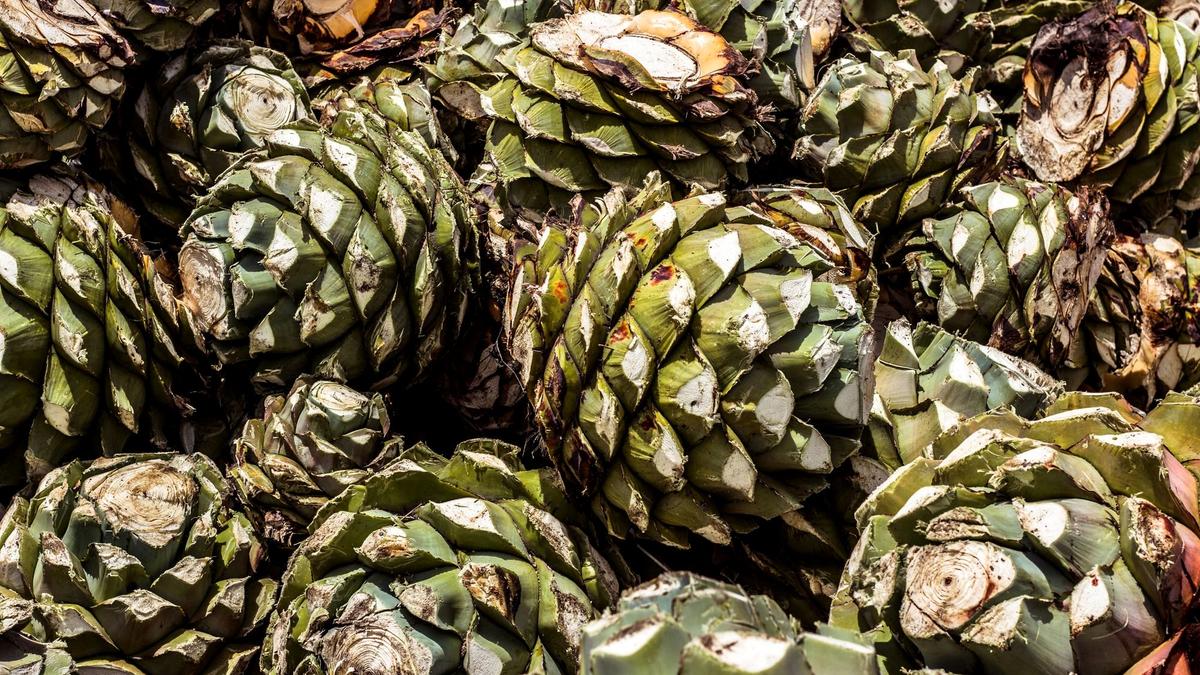
You watch the whole thing on the ground. Agave hearts roast for days in a rock-lined pit until they turn dark and sweet. A horse drags a stone wheel — the tahona — in slow circles to crush the smoked fiber. It ferments in open wood vats, then distills in small clay pots.
Then the tasting. A raw espadín joven burns clean and smells like woodsmoke and green agave. The rarer wild tobalá is softer, almost fruity. A proper flight runs maybe 200 to 400 pesos, and a bottle straight from the family costs a fraction of what it would back home.
That's the high-low trade in a single day: 60-peso dinner, 400-peso mezcal. Both unforgettable.
People Also Ask
Is street food safe to eat in Oaxaca?
Generally, yes. Stick to busy stalls with high turnover, favor food cooked hot in front of you, and go easy on raw salsas the first day while your stomach adjusts. The packed market grills are usually the safest bet, not the riskiest.
What food is Oaxaca most famous for?
Mole and the tlayuda top the list. Oaxaca is called the land of seven moles, and its stringy quesillo cheese, tejate drink, and chapulines are regional signatures you won't find done the same way elsewhere.
How much should I budget for food per day in Oaxaca?
Eating from markets, I spent about 150 to 250 pesos a day. Add a mezcal tasting or a sit-down mole dinner and a comfortable daily number lands closer to 500 to 700 pesos — still cheap by most standards.
The Bottom Line
Oaxaca rewards the traveler who eats humble and drinks well. Save on the market grills, pour the difference into one family mezcal tasting, and you get the full range of oaxaca best street food and its finest bottle on the same trip. Come hungry, bring cash, and skip the zócalo cafés.