Where to Stay in Rome: Monti, Trastevere, or Prati
Some links in this post are affiliate links — if you book or buy through them, we may earn a small commission at no extra cost to you. How this works.
The Short Answer: Base Yourself in Monti
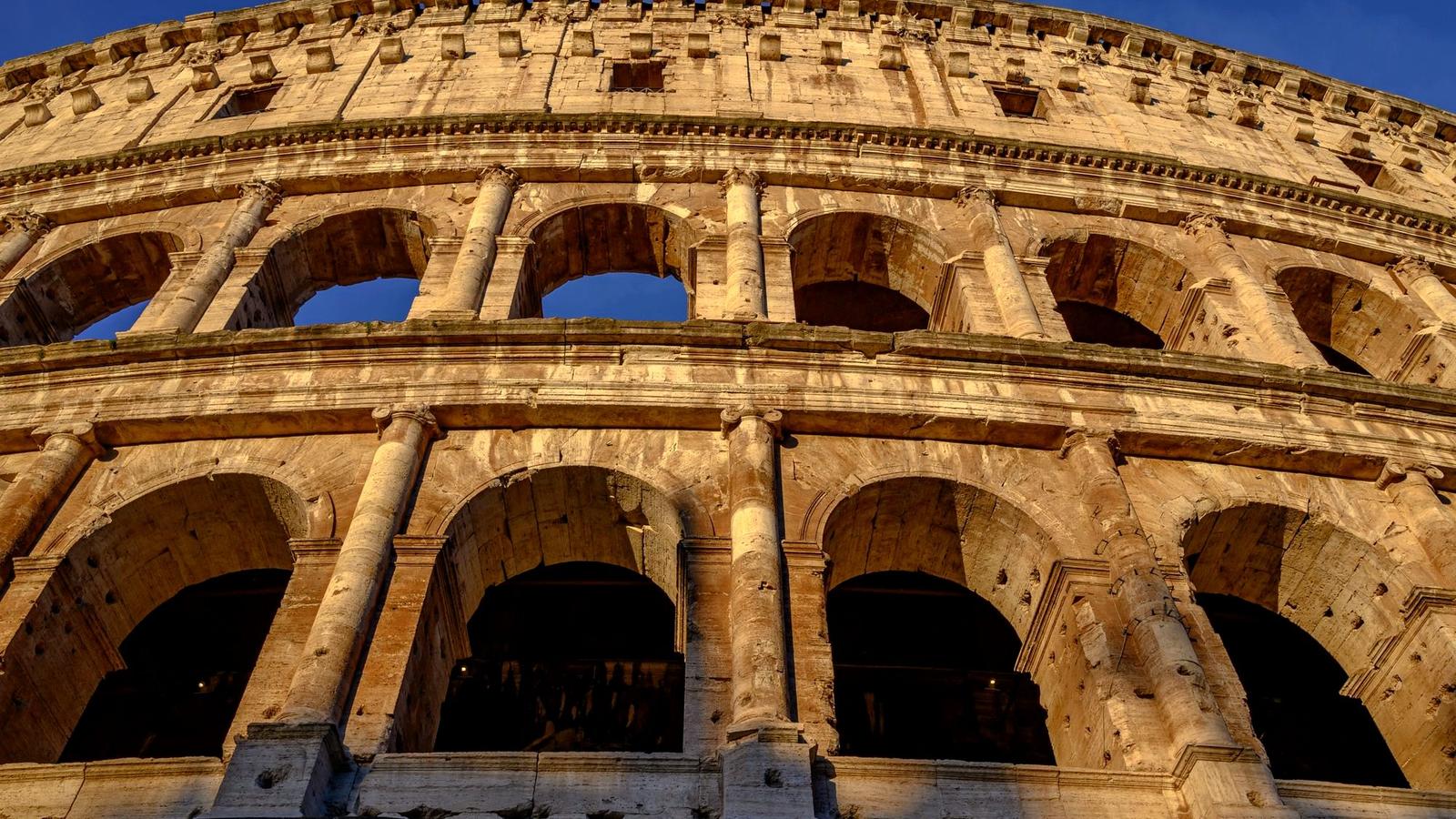
Stay in Monti. For a first trip, it's the neighborhood that puts the Colosseum, the Roman Forum, and a genuine Roman evening within a ten-minute walk — the oldest rione in the city, threaded with ivy, wine bars, and a metro stop of its own. If it's booked out or over budget, the two honest alternatives are Trastevere across the river for atmosphere and long dinners, and Prati near the Vatican for calm and space. Everything here is really a choice between those three.
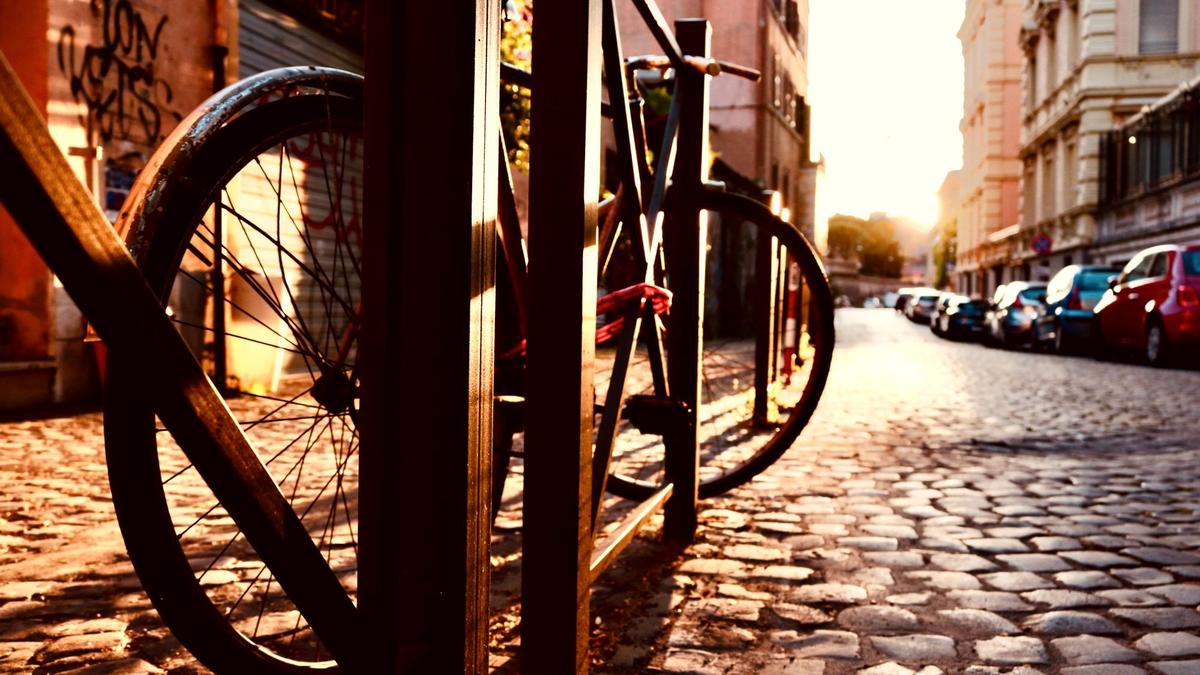
The reason the choice matters less than you'd fear: Rome's historic center is smaller than the map suggests, and most of what you came for sits inside a walkable core. So the real question isn't distance — it's which Rome you want waiting when you step out your door. Pack light for it, because the city is paved in sampietrini, the black basalt cobbles that look wonderful and punish wheels and heels without mercy. Here's how I fit weeks of travel into one 40L carry-on — on those stones, it earns its keep.
- Best months: April–June and September–October — mild, and lighter than the July–August crush.
- Currency: Euro (€). Language: Italian; English is common in the center.
- How long: 3–4 nights for the highlights, 5+ to add a day trip.
What "Central" Actually Means in Rome
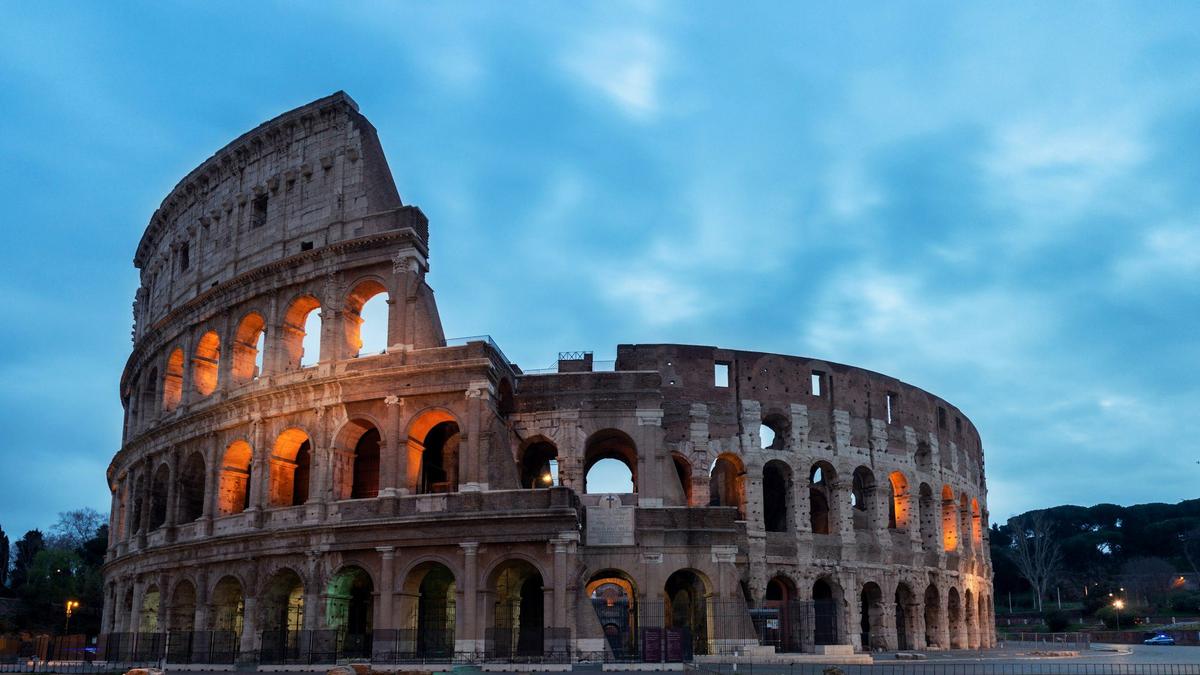
Three landmarks anchor the decision. The Colosseum and the ancient core sit to the east; the Tiber loops through the middle with Trastevere on its far bank; and the Vatican holds its own quarter to the northwest. Choose your neighborhood by which of those you want on your doorstep — the others are a walk or two metro stops away.
Settle the airport before you settle the bed, because Rome has two. Most long-haul flights land at Fiumicino (FCO), 32 km southwest, where the Leonardo Express reaches Termini in about 32 minutes for ~€14; budget carriers use Ciampino (CIA), closer in but bus-linked. Compare flights to Rome across dates — the autumn shoulder runs 20–30% under peak summer. With luggage and a late landing, a pre-booked airport pickup waiting at arrivals is worth it on night one, and it's smart to sort an Italy eSIM and travel insurance before you fly — uneven cobbles and crowded sights are where sprained ankles and slipped wallets happen.
Monti: Ivy Lanes Between the Colosseum and Termini
Monti wears its history lightly. The lanes climb through ivy and vintage shops, the wine bars fill by seven, and Piazza della Madonna dei Monti becomes an open-air living room after dark — all of it a ten-minute walk from the Roman Forum. The Cavour stop on Line B sits inside the neighborhood, so the rest of the city is a short ride when your feet have had enough.
What makes it the first-timer's default is that it feels genuinely lived-in while sitting in the dead center — a rare pairing, which is why hotels in Monti fill fast and run a little dearer. Aim for the streets around Via Nazionale for the best balance of price and quiet, and lock in a timed Colosseum entry or skip-the-line Forum tour before you arrive rather than baking in the queue. The trade for walking home from the Forum is the evening buzz on the main lanes; light sleepers should book a room off them.
Trastevere: The Other Side of the River
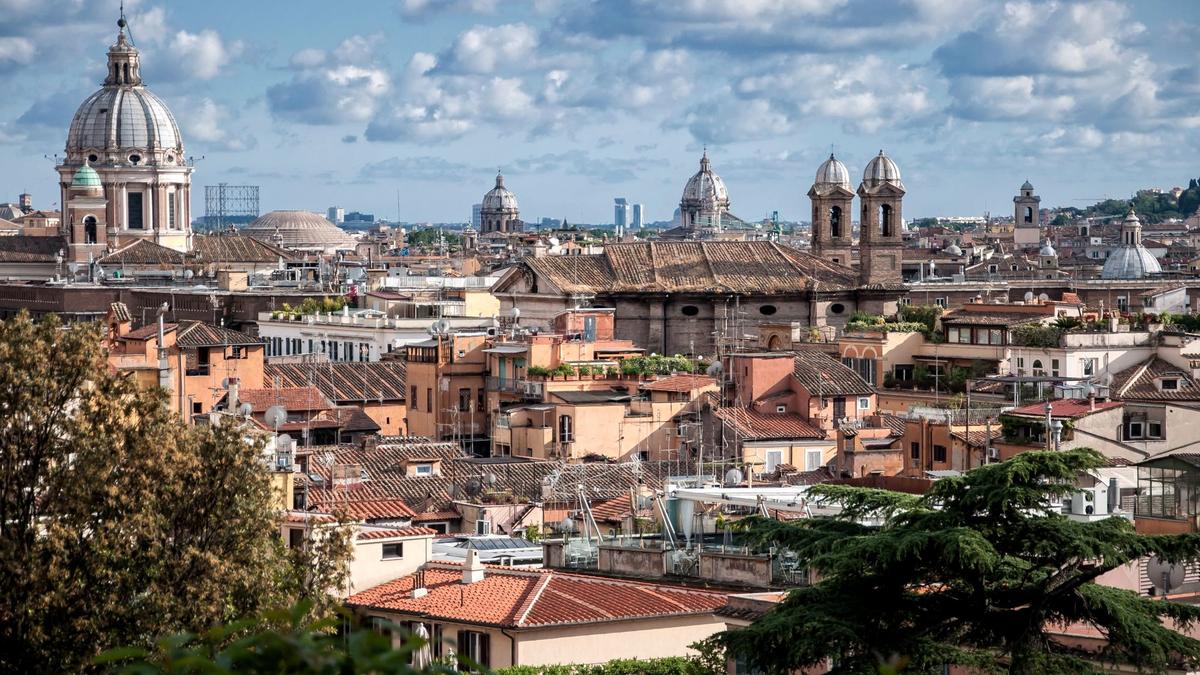
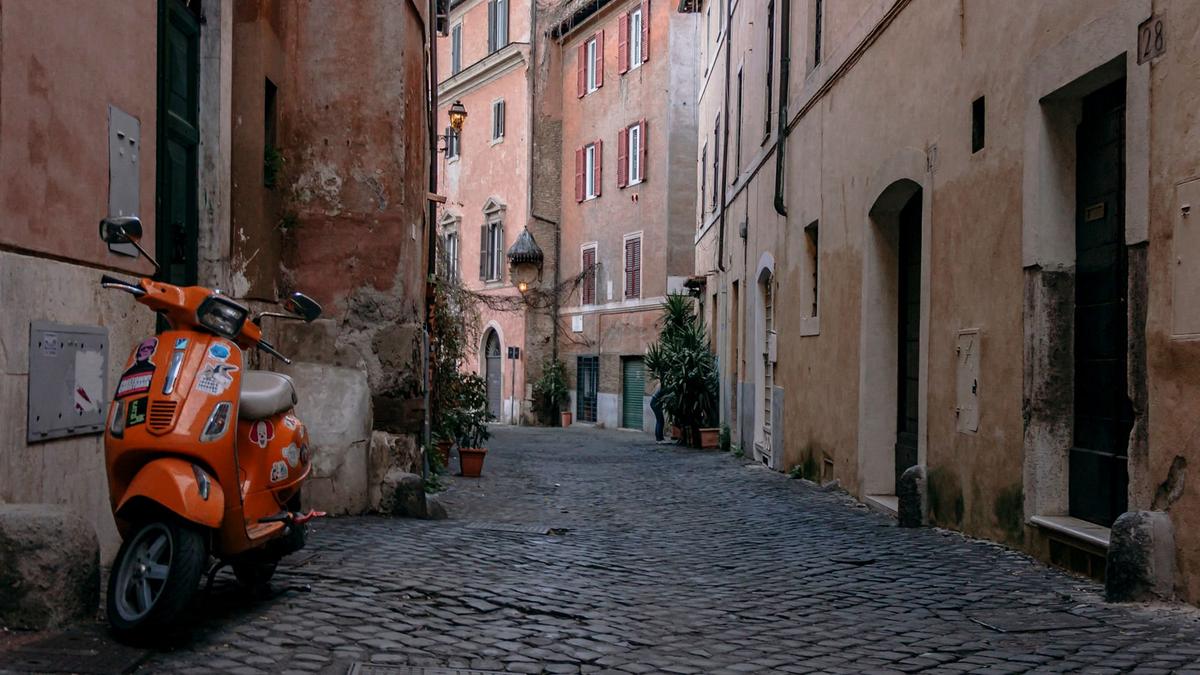
Cross the Tiber and Trastevere is the Rome of the postcards after dark — ochre walls, ivy, and trattorias that spill their tables into cobbled lanes. It's the most atmospheric base in the city, and on weekend nights the loudest. Choose it if a great dinner scene on your doorstep outranks a short walk to the ruins, and you don't mind trading the metro for buses, trams, and your own two feet; the historic center is 15–20 minutes across the bridges.
Where you sleep inside the quarter decides everything. The bar-heavy core stays up late, so look for a room in Trastevere on the quieter southern lanes near Piazza San Cosimato — close enough to the noise to enjoy it, far enough to sleep through it. And rather than following a laminated menu into the first spot on the main square, book ahead or join a Trastevere food-and-wine walk that steers you to the real tables.
Prati: Order, Space, and the Vatican at Dawn
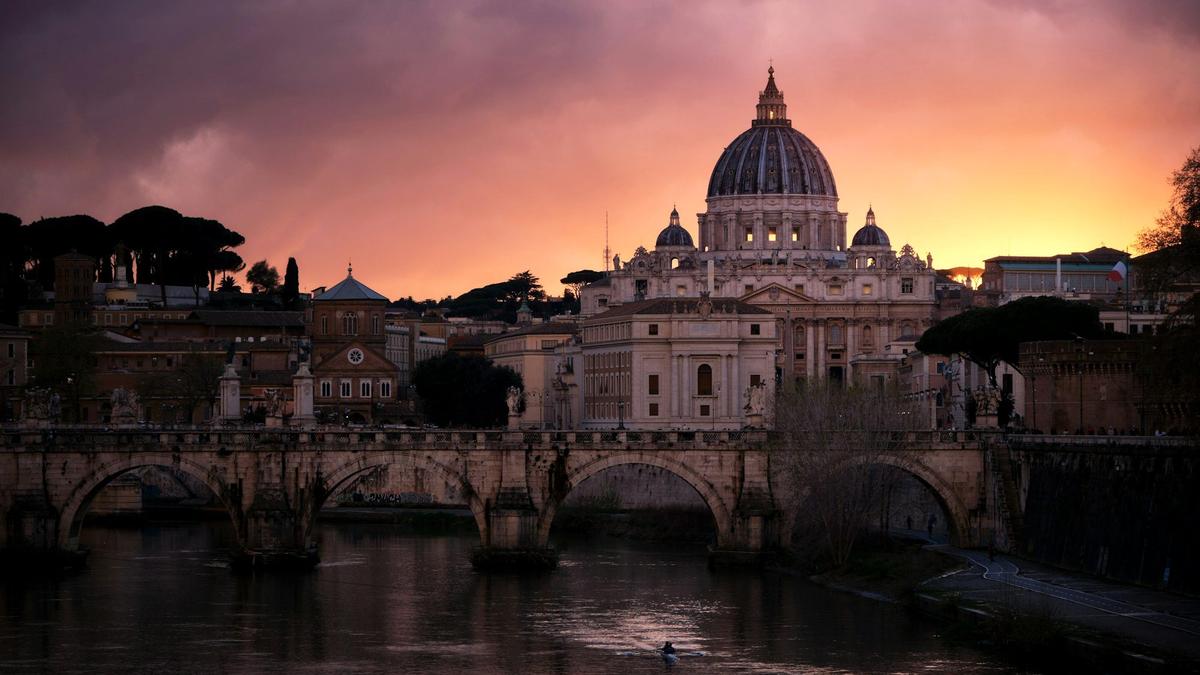
Prati is where Romans actually live — an elegant grid north of the Vatican, leafy and orderly, with wide boulevards and two Line A stops (Ottaviano and Lepanto) that thread you across the city in minutes. The Vatican Museums and St. Peter's Basilica are a ten-minute walk, close enough to be first through the doors before the tour buses arrive.
Day to day it's residential in the best sense: a Sunday market, gelato and shopping along Via Cola di Rienzo, a supermarket on the corner. It's the base I'd hand to anyone who found central Rome a shade too loud, or to families who want room to spread out. The honest trades are quiet nights — night owls will taxi back from Trastevere — and hotels that lean business over boutique. Browse stays around Prati near the metro rather than out toward its edges, and you get an early Vatican and a calm night both.
Seeing Rome, Wherever You Sleep
Here's the upside of that compact core: your neighborhood barely changes the sightseeing. A few bookings make the difference between a great day and a queued-out one.
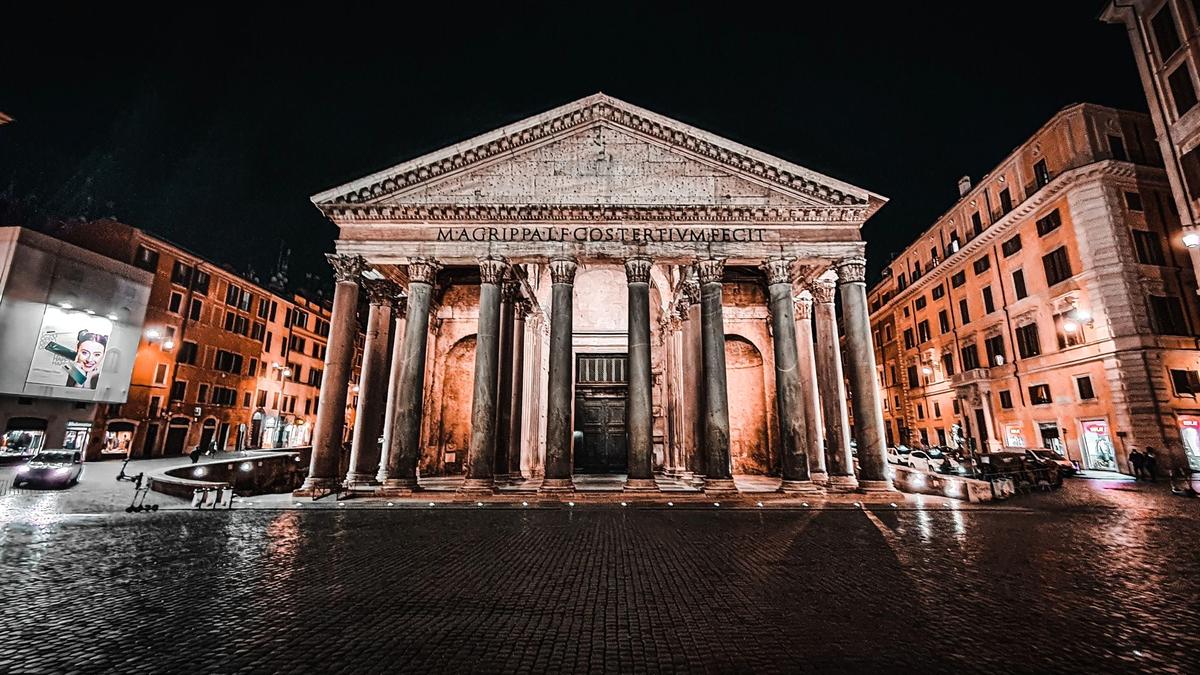
Reserve a timed Colosseum slot and pair it with the Roman Forum and Palatine Hill on a single ticket while you're right there. Walk the classic center loop — Pantheon, Trevi Fountain, Piazza Navona, Spanish Steps — early or late, when the crowds thin and the stone turns gold. For the best free view in the city, climb the Gianicolo above Trastevere at sunset. And because the bookable heavy-hitters — the Colosseum, the Vatican Museums, the Borghese Gallery — sell out days ahead, line them up before you leave home with Rome attraction tickets and skip-the-line tours or a Go City Rome pass:
Tour recommendations are powered by our travel partner and need cookies to load.
Getting between it all is mostly walking. The two metro lines cross at Termini and reach the big sights; buses and trams fill the gaps, including the river crossings. Tap a contactless card or buy a rechargeable ticket — and validate before you ride, because inspectors check and the fine is real. One €1.50 ride covers 100 minutes across metro, bus, and tram, usually enough to get out and most of the way back.
When the hour is late or your feet are done, an Uber (Black only in Rome) or the official itTaxi app is cheap after dinner. Agree the fixed airport fare or insist on the meter, and wave off the drivers who approach you outside stations — those are the ones to skip.
People Also Ask
Where should I stay in Rome for the first time?
Monti — central, walkable, and minutes from the Colosseum and Forum, with its own metro stop and a real-neighborhood feel. Choose Trastevere instead for nightlife and dinner, or Prati for a calmer base near the Vatican.
Is it better to stay in Monti or Trastevere?
Monti for convenience to the ancient sights and the metro; Trastevere for atmosphere and a great evening across the river. First-timers who want to walk to the Colosseum usually prefer Monti; food-and-nightlife travelers lean Trastevere.
Is Rome walkable?
Very — most major sights sit within a 20–30 minute walk of each other. The cobblestones are uneven, though, so wear comfortable shoes with grip and lean on the metro for the longer crosstown hops.
The Bottom Line
Three bases, one simple rule: Monti to walk straight out into ancient Rome, Trastevere if dinner and atmosphere lead, Prati to trade nightlife for quiet and a dawn Vatican. Sort the arrival pickup and eSIM before you land and the timed tickets before they sell out, and the city stops being a logistics puzzle and turns back into the walkable, layered place it's meant to be. Heading south afterward? My guide to doing the Amalfi Coast on a backpacker budget picks up where Rome leaves off.