Oaxaca's Best Street Food: Tlayudas, Tejate and the Smoke Corridor
Some links in this post are affiliate links — if you book or buy through them, we may earn a small commission at no extra cost to you. How this works.
In this guide
Oaxaca's Best Street Food: Start at Two Neighboring Markets
A walk for Oaxaca's best street food can start at two neighboring markets in the historic center. Begin at the Benito Juárez Market, one block from the Zócalo, where the state tourism office lists street vendors selling tlayudas, tejate and chapulines. Then cross Aldama Street to the 20 de Noviembre Market, where tasajo, cecina and chorizo come off the grills of the Pasillo de Humo. Good food is sold well beyond these two markets; they are simply the easiest place to start.
This guide covers what to eat in Oaxaca and where each dish is sold, from the market grills to the dining rooms of La Merced. It also covers the drinks, a guided city walk with market stops, how to order at a stall and a day in mezcal country. For the rest of the country, start with the Mexico travel guide.
Oaxaca's state tourism office lists Benito Juárez as open daily from 7 am to 9 pm (checked November 4, 2026; confirm on arrival). Its page for 20 de Noviembre gives no hours, so check them locally. The same office says Benito Juárez has no public restrooms of its own; they are next door in 20 de Noviembre.
The Pasillo de Humo: Tasajo, Cecina and Chorizo on the Grills
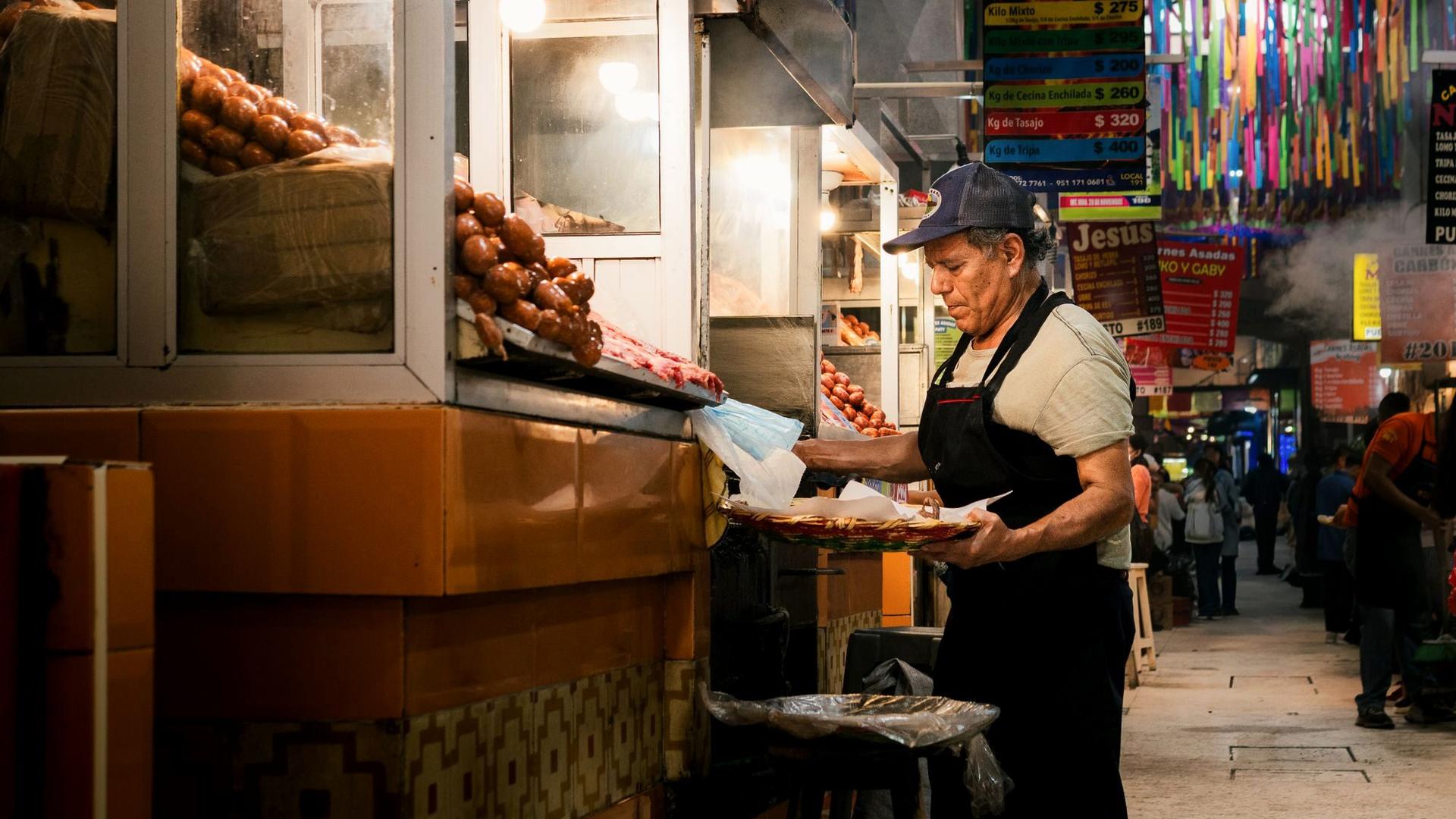
The smoke corridor is the reason to sit down in 20 de Noviembre. The state tourism office calls the pasillo del humo one of the market's most popular and busiest sections. Tasajo, cecina, chorizo and ribs are grilled there and served with handmade tortillas, salsa, onion and cilantro.
The market around it dates to 1862, according to the state tourism office, when building began on the streets of 20 de Noviembre, Mina, Aldama and Cabrera. It opened in 1882 as the Mercado de la Industria and later took the name of the date the Mexican Revolution began in 1910. Some of its traditional cooks have worked there for more than 60 years, cooking from recipes passed down through generations.
Beyond the grills, the market keeps its set pieces. A March 2025 release from Mexico's tourism ministry (Sectur) quotes Ofelia Toledo, a traditional cook from Juchitán, on what to find there. Her list: nieves (ices), horchata and chilacayota waters, tejate, tamales of black mole and stuffed chiles.
What to Eat in Oaxaca: Tlayudas, Seven Moles and Quesillo
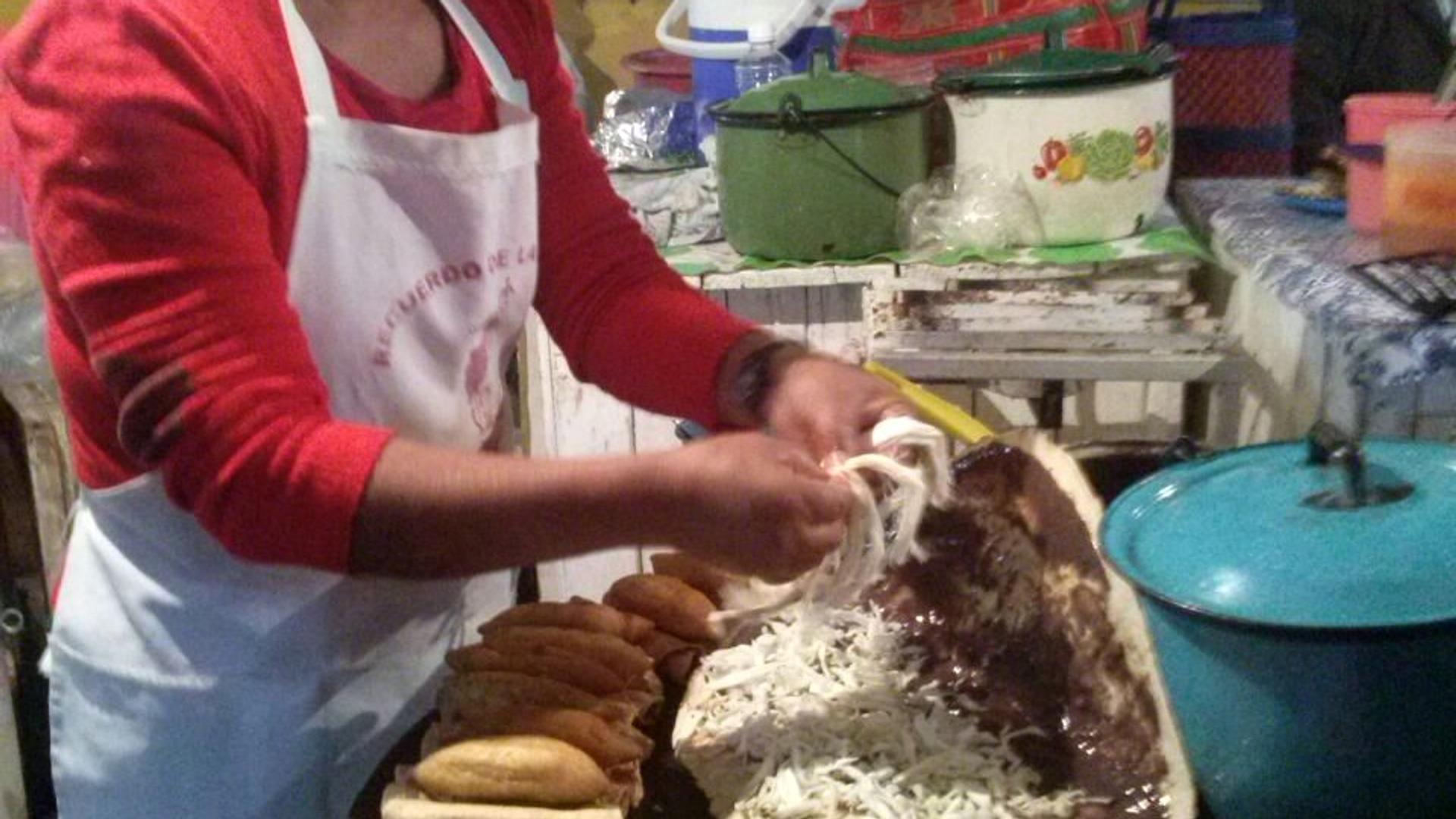
Order a tlayuda first. Mexico's agriculture ministry (SADER) describes a huge corn tortilla about 30 cm (12 in) across, toasted on a comal until it is almost a tostada. It is covered with black beans, tasajo or chile-rubbed dried meat, chorizo, quesillo, cecina and avocado, though toppings vary from stall to stall.
SADER's 2020 article adds versions topped with chapulines (grasshoppers), escamoles or seafood. It credits women from San Antonio de la Cal with making tlayudas and bringing them into the city to sell. It also names the Benito Juárez Market as the most traditional place to eat one.
A Mexican culture-ministry record last updated in 2008 describes the tlayuda con asiento, spread with asiento, the pork-lard residue that carries small pieces of carnitas. The same record gives its list of Oaxaca's seven moles: negro, verde, amarillo, colorado, coloradito, almendrado and chichilo, made with avocado leaves; other lists and kitchens vary. The tamal it calls classic is strained corn masa filled with black mole of ancho, mulato and chilhuacle chiles and turkey, wrapped in banana leaf.
Quesillo is the cheese to know. The state tourism office describes a soft white cow's-milk cheese with a stringy texture that lets it be stretched and rolled. Around Benito Juárez, the same office lists street vendors selling chapulines, tejate, soft tortillas and tlayudas, nicuatole, regional sweets and empanadas.
Tejate, Chocolate and Chilacayota: What to Drink
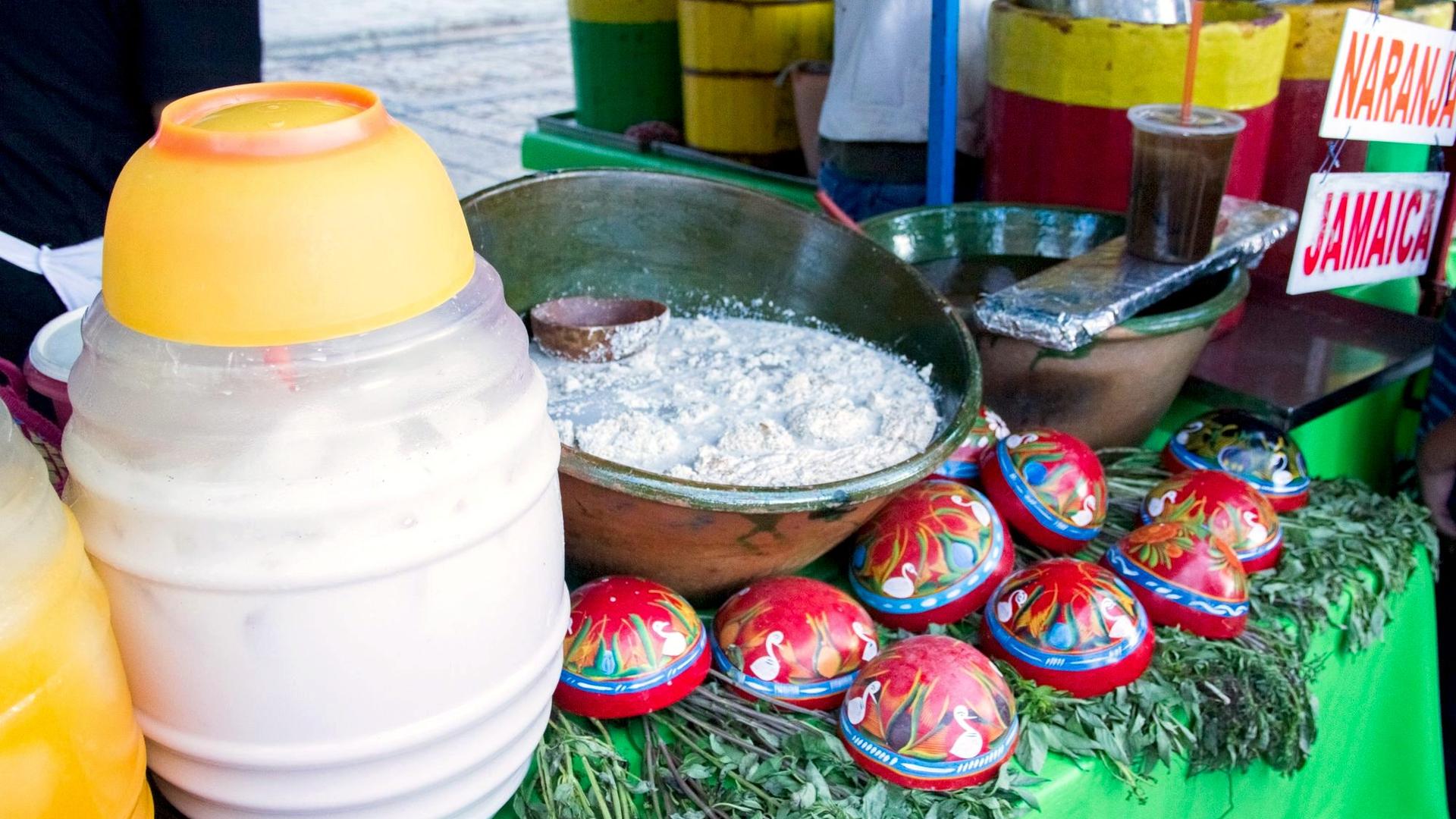
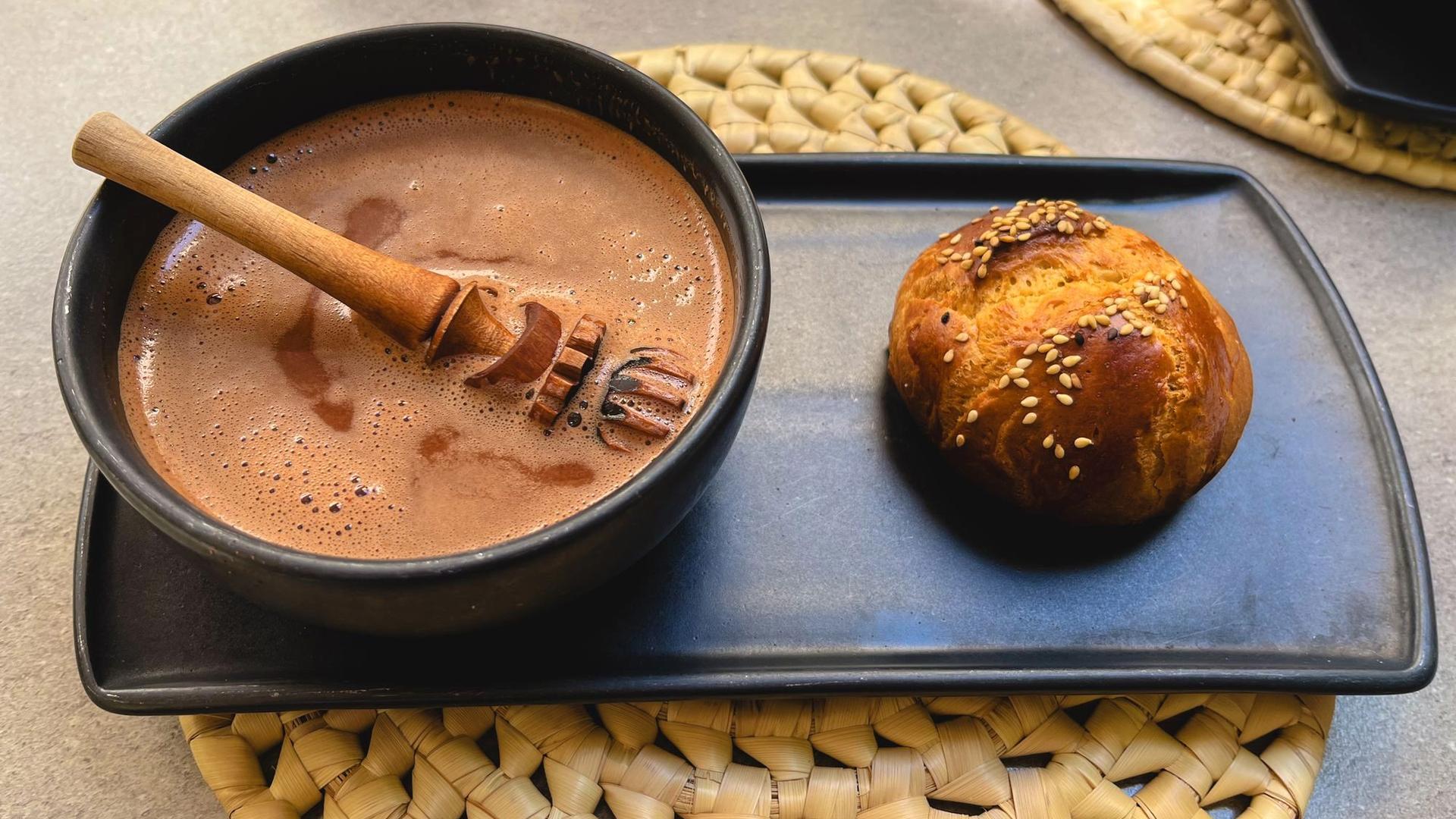
Look for tejate, the cold corn-and-cacao drink of the Central Valleys. SADER's 2023 article describes a pre-Hispanic drink of corn, cacao, mamey seed and cacao flower, known as rosita de cacao. The flower raises a white, lumpy foam on the surface.
SADER's published recipe shows one way that texture forms. The cacao, the flowers and the mamey seeds are toasted and worked into the corn dough. Water is then beaten in by hand, poured from at least 20 cm (8 in) above so it foams, and the drink is finished with ice. Vendors' methods vary.
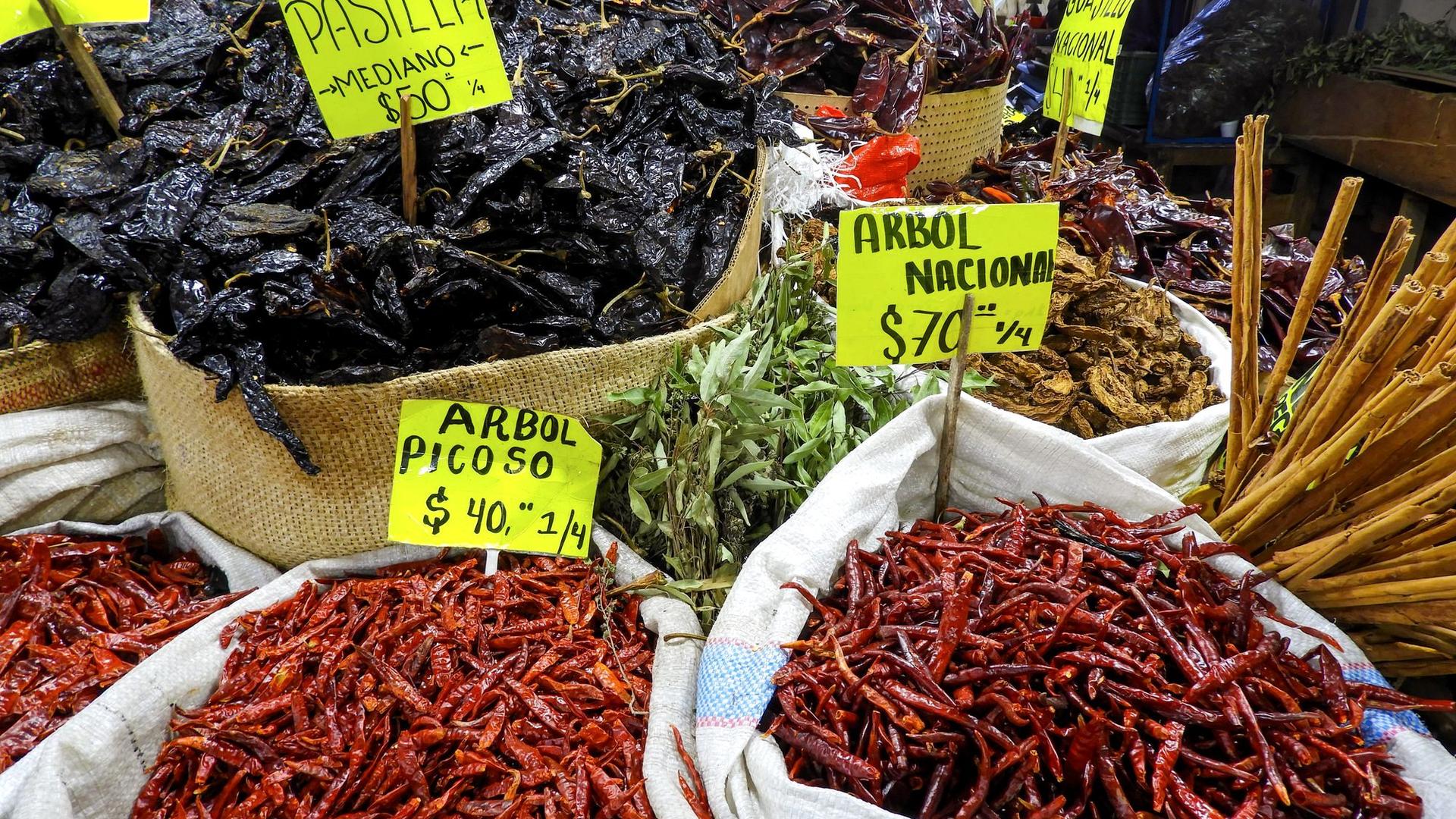
Oaxacan chocolate is the other cacao drink. The chocolate aisle in 20 de Noviembre sells it handcrafted from cacao, sugar, cinnamon and almonds, as powder, tablets, bars or a drink. The culture ministry's record calls the egg-yolk-and-butter breads the pride of the Central Valleys' bakers, and La Merced has a section for pan de yema.
For something lighter, Sectur's release lists horchata and chilacayota waters at 20 de Noviembre. The culture record describes a rice horchata colored with pitahaya and topped with bits of melon.
Tejate also has its own fair in San Andrés Huayápam. The state tourism office announced the 24th Feria del Tejate for March 29, 2026, with more than 88 producers taking part. That edition has passed, so check the office's events page for the next date.
La Merced: Memelas, Mole and a Market Breakfast
La Merced's dining rooms serve Oaxacan breakfasts and meals. The state tourism office lists what they serve: mole, memelas, tlayudas, enfrijoladas, entomatadas, enchiladas, eggs to order, roasted meats and barbacoa. The office counts more than 250 tenants.
Also called Mercado Democracia, it stands on Morelos Avenue at Nicolás del Puerto Street, a few blocks east of the La Merced temple where the market began in 1861. It moved to this site in 1973. The office's page lists public restrooms inside and outside, a juice bar section and a Banorte ATM.
Sectur's release adds what La Merced sells: squash blossoms, chepil, pumpkin seeds and chapulines. Toledo also suggests a breakfast of empanadas filled with amarillo mole, or with mushrooms and chile de agua.
A Guided City Walk With Market Stops
A first visit to the historic center can start with a guide. Tiqets' guided walking tour of Oaxaca is a 3-hour city walk with a live guide in English or Spanish and groups of up to 8, as listed on November 4, 2026. The listing names its stops: the Santo Domingo Church, the Zócalo and the Oaxaca Cathedral, then the Macedonio Alcalá Theater and the Tourist Walkway, and last a walk through traditional markets with regional foods, local crafts and items unique to the area.
The tour starts at 1017 Melchor Ocampo, and the listing allows free cancellation until 24 hours before. Its inclusions are the live guide and the walk, with no food listed, so budget for anything bought at the market stops. It is a city walk with market stops, not a tasting tour.
For the valley, the Tiqets tour in the mezcal section below adds a distillery visit. Tour details can change, so check each listing's current itinerary, price, dates and cancellation terms before booking.
How to Order at a Market Stall, With the CDC's Food Rules
Ask for the dish by name, or point at it on the grill or the comal. The names in this guide are the ones used by the state tourism office and Mexico's ministries. The state tourism office's pages for these three markets publish no food prices, so ask the price at the stall before ordering.
- Bring pesos: La Merced has a Banorte ATM.
- Plan the restroom stop: the state tourism office says Benito Juárez has none; use the ones in 20 de Noviembre next door.
- Mind the hours: the state tourism office lists Benito Juárez as open daily from 7 am to 9 pm; check the other markets' hours locally.
The US Centers for Disease Control and Prevention (CDC) advises travelers to avoid food from street vendors. A market morning still runs on a few checks, and the CDC's food and drink advice for travelers sets them out:
- Eat it cooked and steaming hot: food straight off the grill fits. The CDC says germs grow quickly between 40°F and 140°F (4°C and 60°C).
- Skip raw salsas and garnishes: the CDC says to avoid fresh salsas, condiments and other sauces made from raw fruits or vegetables, as well as fresh salads and cut-up fruit. That can include the onion, cilantro and salsa served with grilled meat.
- Skip drinks with ice or squeezed juice: where tap water may be contaminated, the CDC says not to drink it or use ice made from it, to avoid drinks that have ice, and to avoid food and drinks made with juice squeezed by others, including ice pops. It also warns that vendors in some countries may replace bottled water with untreated water, and calls factory-sealed and steaming-hot drinks the safer choice. A drink isn't unsafe just because it contains water, but a vendor's word can't confirm the water is safe; by the CDC's rule, tejate (finished with ice in SADER's recipe), aguas and nieves are drinks to skip.
- Cheese: unpasteurized foods carry risks for all travelers. The CDC says it is especially important for pregnant travelers and anyone with a weakened immune system to avoid unpasteurized milk, cheese and yogurt. Ask whether the quesillo is made with pasteurized milk.
- Clean hands: wash with soap and water, or use a hand sanitizer with at least 60% alcohol.
Mezcal Country: Santiago Matatlán and the Mezcal Route
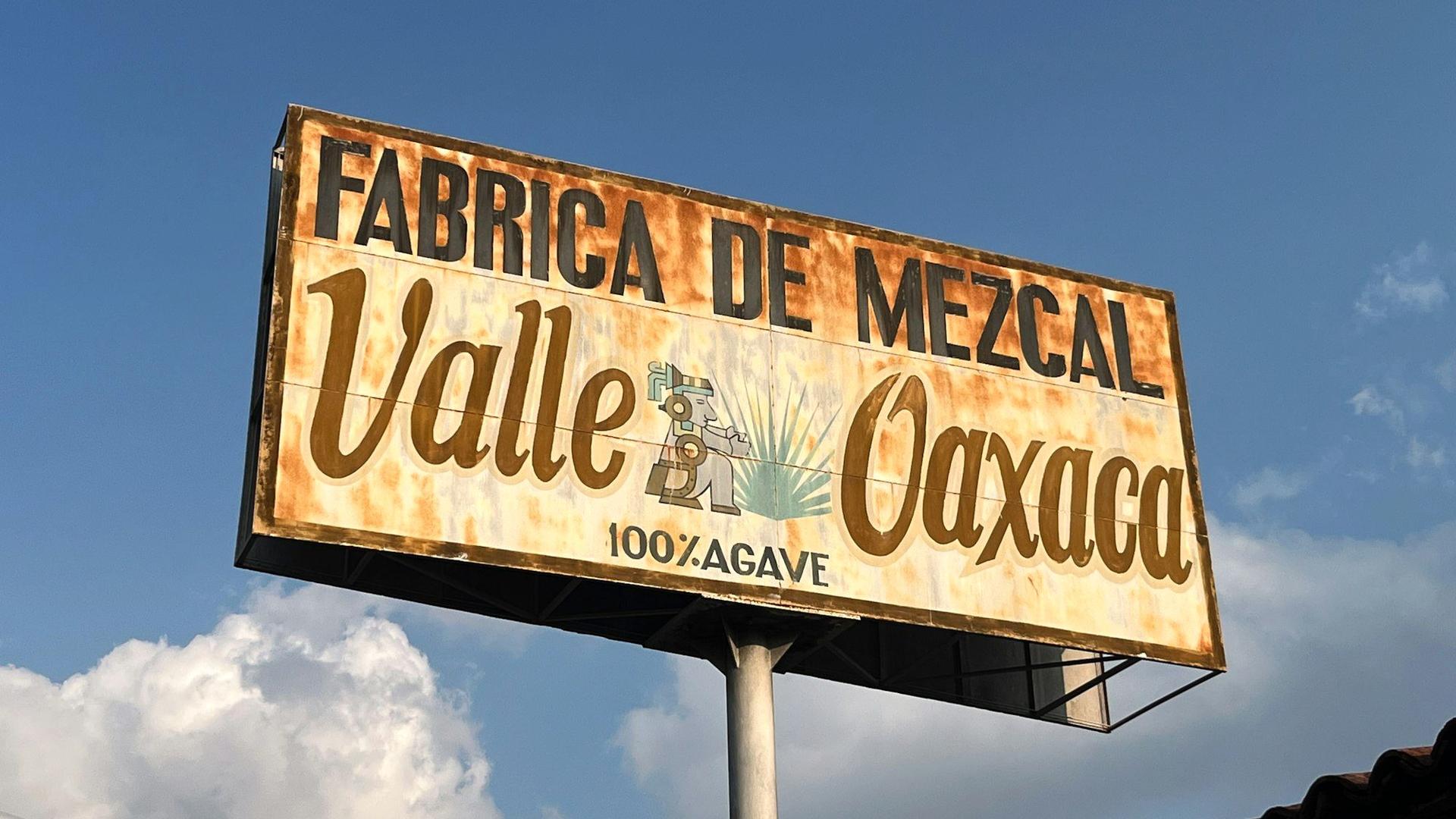
The state's Mezcal Route, built around the production and tasting of mezcal, runs through six towns: Santa María del Tule, San Jerónimo Tlacochahuaya, Teotitlán del Valle, Tlacolula de Matamoros, San Pablo Villa de Mitla and Santiago Matatlán. In Santiago Matatlán, visitors can explore mezcal factories and shops.
Mezcal is not made in Oaxaca alone. SADER's 2023 article says agave growing and mezcal making involve communities in several states, mainly Oaxaca, Guerrero, Michoacán and Puebla, and that Oaxaca was the leading producer of mezcal agave in 2022. It calls Santiago Matatlán the "world capital of mezcal," home to numerous distilleries.
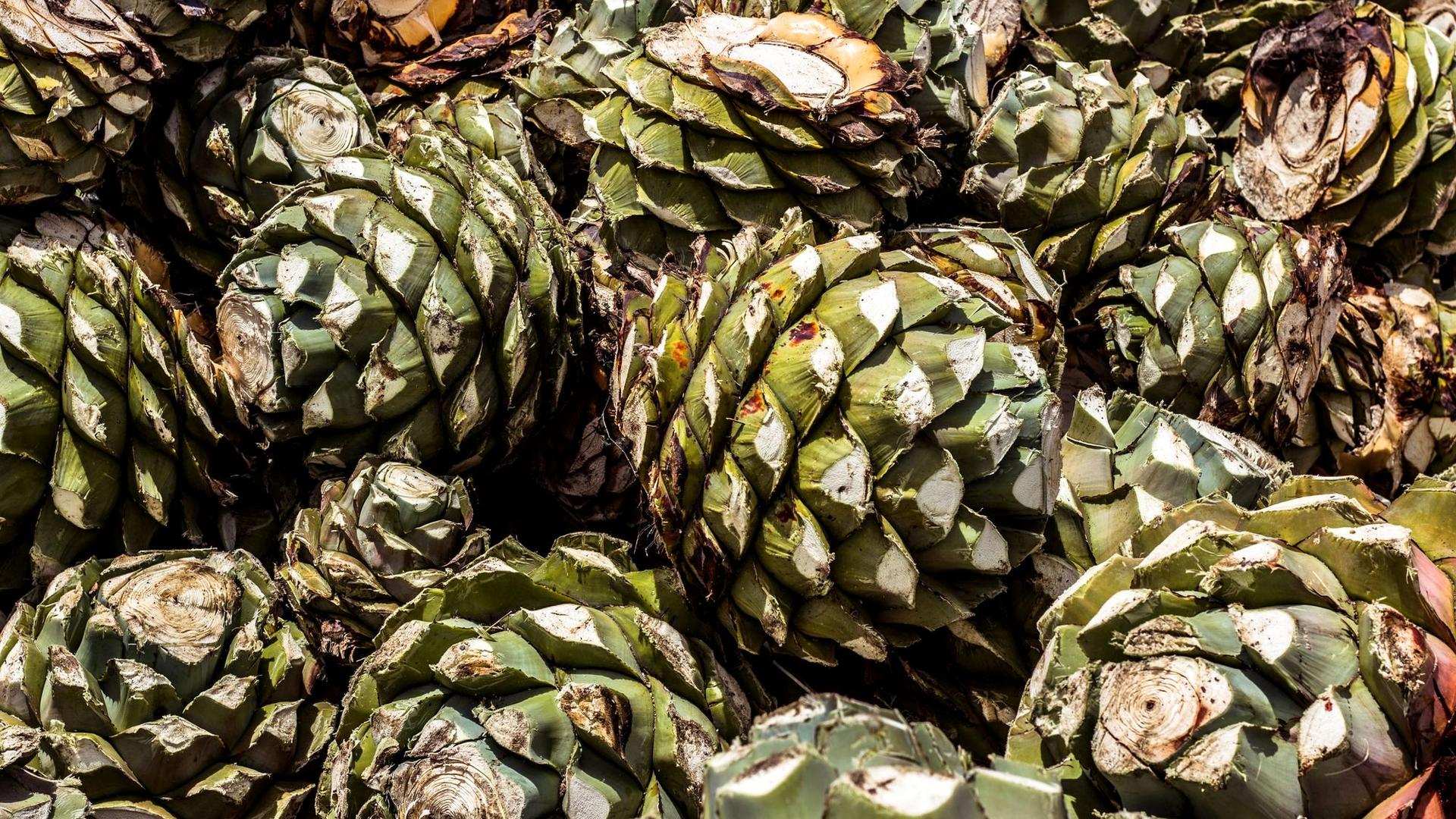
The same article traces the process: the agave hearts, or piñas, are cooked in underground ovens, which gives mezcal its smoky flavor. They are then crushed, fermented in wooden vats for several days and distilled in copper stills.
The plant sets the pace. The Mezcal Route page says a mezcal master waits more than eight years to harvest a maguey. Espadín, the most common agave, gives a soft, smoky mezcal, according to SADER; tobalá gives floral, fruity notes.
Back in the center, 20 de Noviembre has a mezcal aisle. The state tourism office describes Oaxacan mezcal as smoky and strong, drunk on its own or with salt and lime.
July brings two of the state's food fairs. In 2026, the state's Feria del Mezcal ran from July 17 to 28 at the Centro de Convenciones de Oaxaca. The state tourism office's page for the 2026 Feria de la Tlayuda in San Antonio de la Cal places it in July, the Guelaguetza month, without a date. Both 2026 editions have passed; check the office's events pages for the next dates.
Outside July, SADER notes that Mexico marks National Mezcal Day on October 20.
For a guided day, Tiqets lists a Tree of Tule, Hierve el Agua and Mitla tour that includes a mezcal distillery visit and a stop in Teotitlán del Valle. As listed on November 4, 2026, it runs 11 hours 30 minutes, with entry to the Tree of Tule, Hierve el Agua and the Mitla archaeological zone, and round-trip transport by air-conditioned coach. Lunch and hotel pickup are not included.
Two Days of Eating in Oaxaca
Split the eating into a market day and a valley day. On the first, start with breakfast in La Merced's dining rooms, then take tejate and a tlayuda around Benito Juárez and end at the grills of 20 de Noviembre. On the second, take the Tiqets valley tour by coach. Its listing covers the Tree of Tule, Teotitlán del Valle and the Mitla archaeological zone, in three of the Mezcal Route's towns, plus a mezcal distillery and the mineral pools and rock formations of Hierve el Agua, which is not on the route.
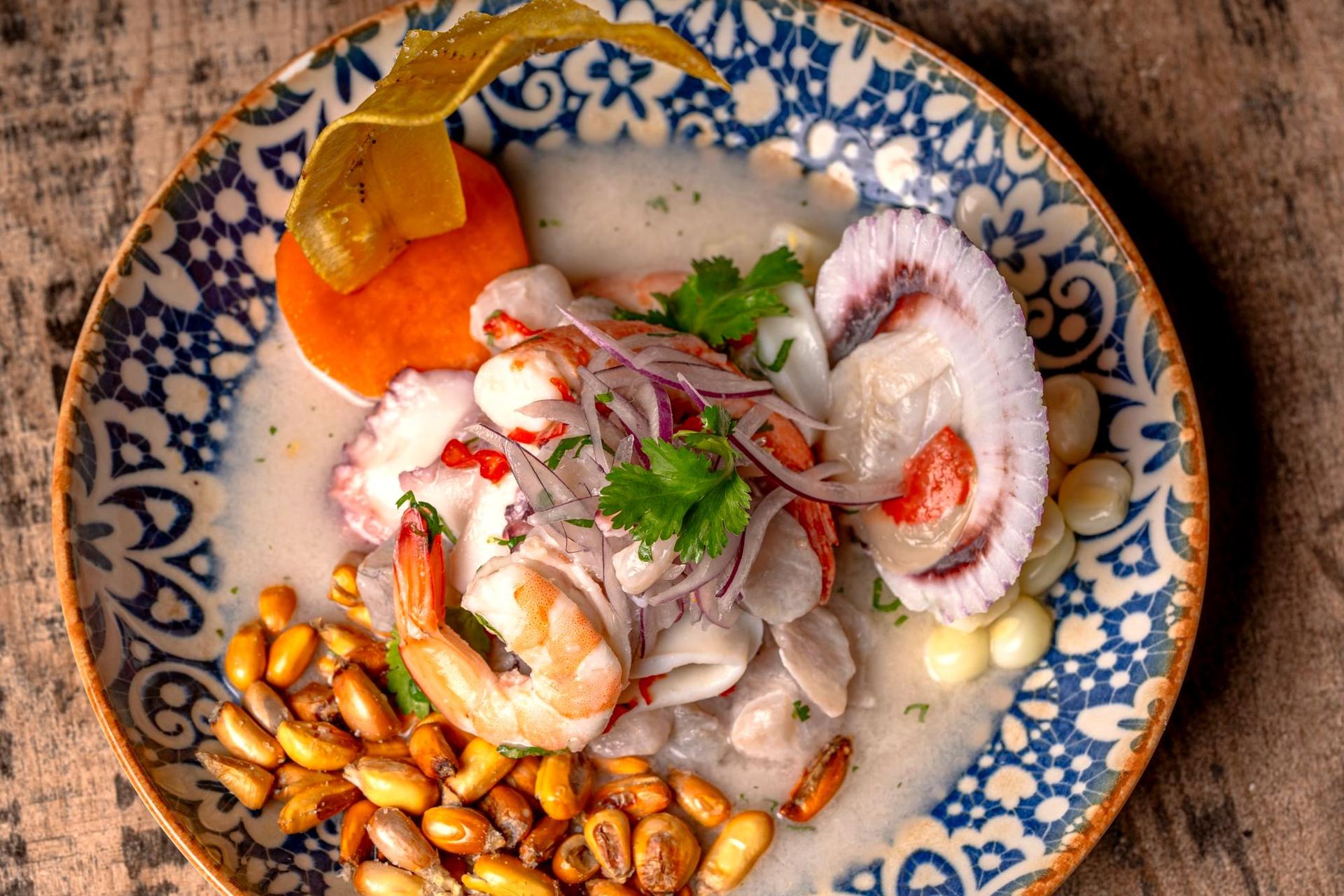
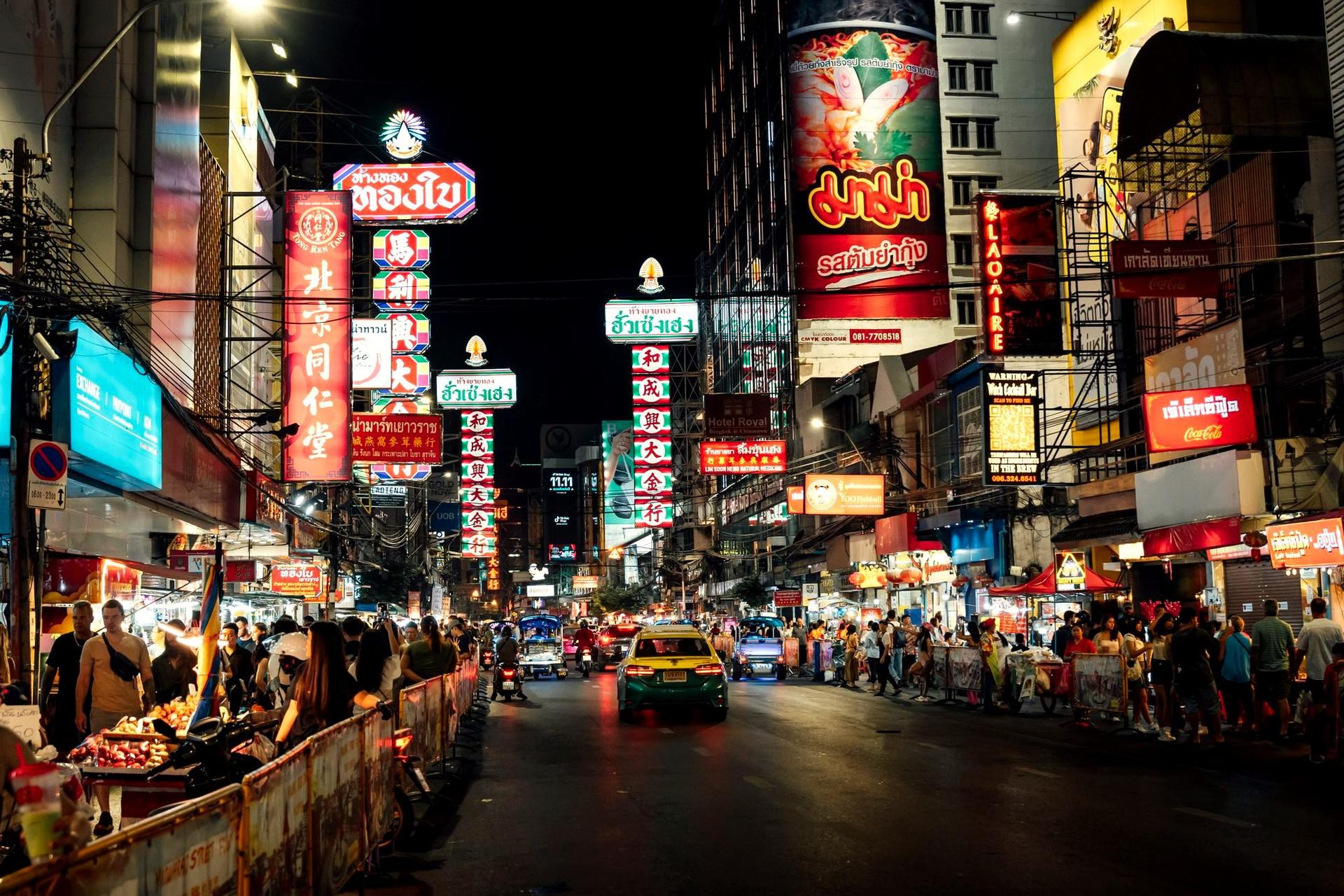
For street food in two more cities, the guides to Lima's ceviche counters and Barranco anticuchos and Bangkok's Chinatown stalls and night markets cover what to eat and where, place by place.
Sources (15)
- Secretaría de Turismo de Oaxaca — 20 de Noviembre Market · Checked
- Secretaría de Turismo de Oaxaca — Benito Juárez Market (hours and street vendors) · Checked
- Secretaría de Turismo de Oaxaca — La Merced Market · Checked
- Secretaría de Turismo de Oaxaca — Mezcal Route · Checked
- Secretaría de Turismo de Oaxaca — Feria del Mezcal 2026 (17–28 July 2026) · Checked
- Secretaría de Turismo de Oaxaca — Feria del Tejate 2026 (29 March 2026) · Checked
- Secretaría de Turismo de Oaxaca — Feria de la Tlayuda 2026, San Antonio de la Cal · Checked
- Secretaría de Agricultura y Desarrollo Rural (SADER) — Los sabores de México presentes en una Tlayuda (5 September 2020) · Checked
- Secretaría de Agricultura y Desarrollo Rural (SADER) — Tejate, la bebida de los dioses (7 April 2023) · Checked
- Secretaría de Agricultura y Desarrollo Rural (SADER) — El Mezcal, el Elixir Nacional de México (20 October 2023) · Checked
- Secretaría de Cultura, Sistema de Información Cultural — Oaxaca gastronomy record (last modified 20 October 2008) · Checked
- Secretaría de Turismo (Sectur) — Comunicado 054/2025, Los mercados de México son símbolo de nuestra identidad (21 March 2025) · Checked
- Tiqets — Oaxaca, Guided City Walking Tour · Checked
- Tiqets — Tree of Tule, Hierve el Agua and Mitla Archaeological Zone, Guided Tour · Checked
- US Centers for Disease Control and Prevention — Food and Drink Considerations When Traveling (last reviewed 6 January 2026) · Checked
Drafted with AIReviewed by an editorFacts checked: How guides are made