Where to Stay in Rome: A First-Timer's Neighborhood Guide
Some links in this post are affiliate links — if you book or buy through them, we may earn a small commission at no extra cost to you. How this works.
Where to Stay in Rome for the First Time
Rome is walkable, historic, and gloriously chaotic — and where you sleep decides how much of that chaos lands on you. Base yourself in the wrong spot and you'll burn an hour each way on buses that crawl through traffic; base yourself right and the whole city opens up on foot. So the first question of where to stay in Rome for the first time isn't about hotels at all — it's about which neighborhood puts you closest to what you actually came for. Pack light before you even start browsing rooms, too; here's how I fit weeks of travel into one 40L carry-on, which matters more than you'd think on Rome's cobblestones and stair-heavy streets.
This guide breaks down the three neighborhoods first-timers actually choose between — central, walkable Monti, lively Trastevere, and calm, well-connected Prati — plus how to match one to your trip. The short version: for a first visit, stay central and on flat, connected ground, and let Rome's distances shrink to a 20-minute walk.
- Best months to visit: April–June and September–October (mild weather, lighter crowds than July–August).
- Currency: Euro (€).
- Language: Italian; English is widely spoken in the center.
- Ideal stay length: 3–4 nights for the highlights, 5+ to add a day trip.
Before You Book: Getting Into Rome
Here's the move: sort the arrival before you lock a neighborhood, because Rome has two airports and they land you in very different places.
- Getting there: Most international flights land at Leonardo da Vinci–Fiumicino (FCO), 32 km southwest of the center; budget carriers use Ciampino (CIA), 15 km southeast. Compare flights to Rome across dates — the September–October shoulder season runs 20–30% cheaper than summer, and you skip the worst of the July heat.
- Airport transfer: From FCO, the Leonardo Express train runs straight to Roma Termini in 32 minutes for about €14. It's the fastest option, but with luggage and a late arrival, a pre-booked airport pickup that meets you at the gate is worth the upgrade on a first trip.
- Before you fly: grab an Italy eSIM so maps and transit apps work the moment you land, and sort travel insurance — Rome's cobbles are uneven, pickpockets work the crowded sights, and a cover you never use beats the alternative.
One thing to know: Rome runs on ancient paving. The sampietrini — those black basalt cobblestones — are beautiful and genuinely ankle-unfriendly in the wrong shoes. Pack flats with grip, not slick soles or heels.
Give yourself an easy first evening, too. Rome rewards early mornings — the Trevi Fountain and the Pantheon are almost yours alone before 8am — so don't cram day one. Drop your bags, walk a loop around your neighborhood, find dinner within ten minutes of your door, and save the big sights for a rested start. Jet lag plus a suitcase plus a rush-hour bus is how good trips begin badly.
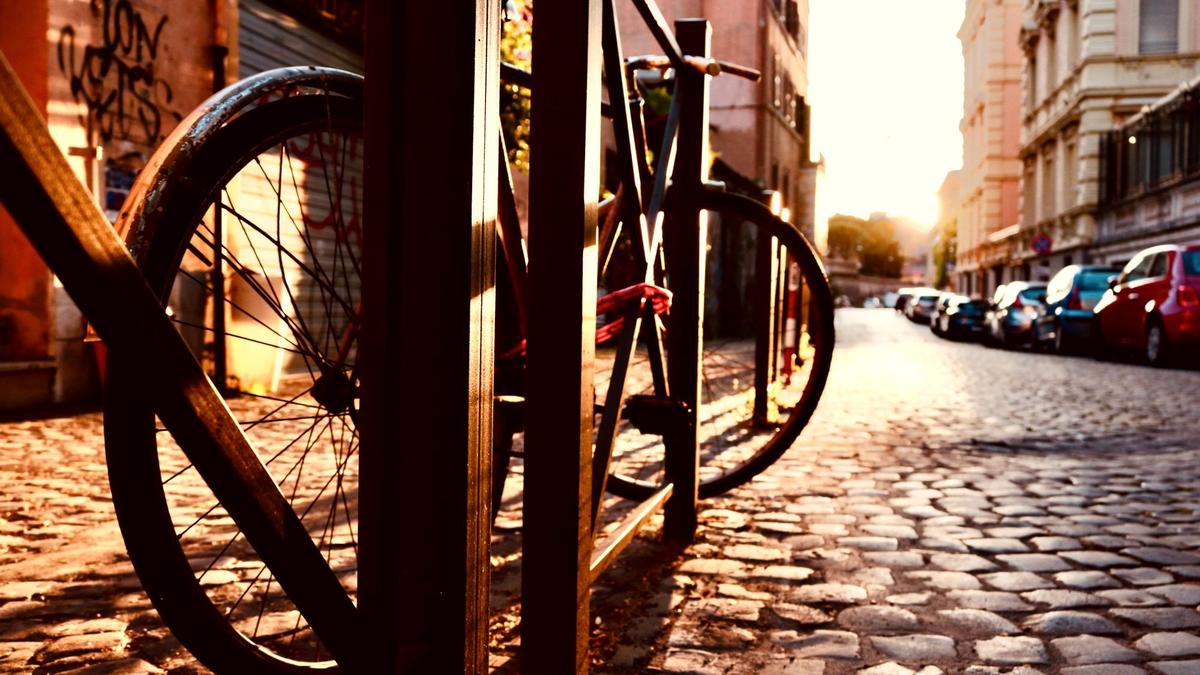
Monti: Central, Walkable, Steps from the Colosseum
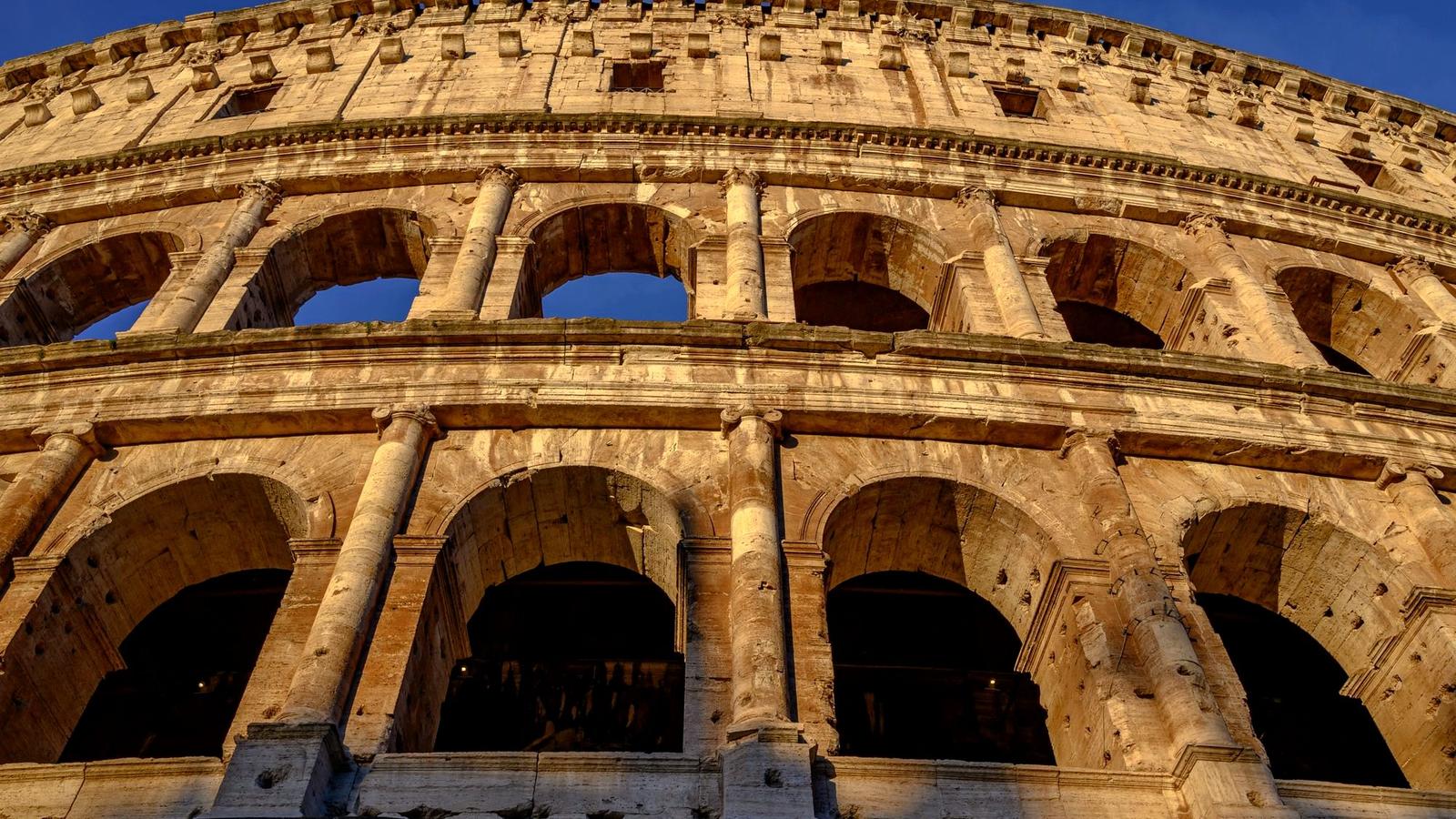
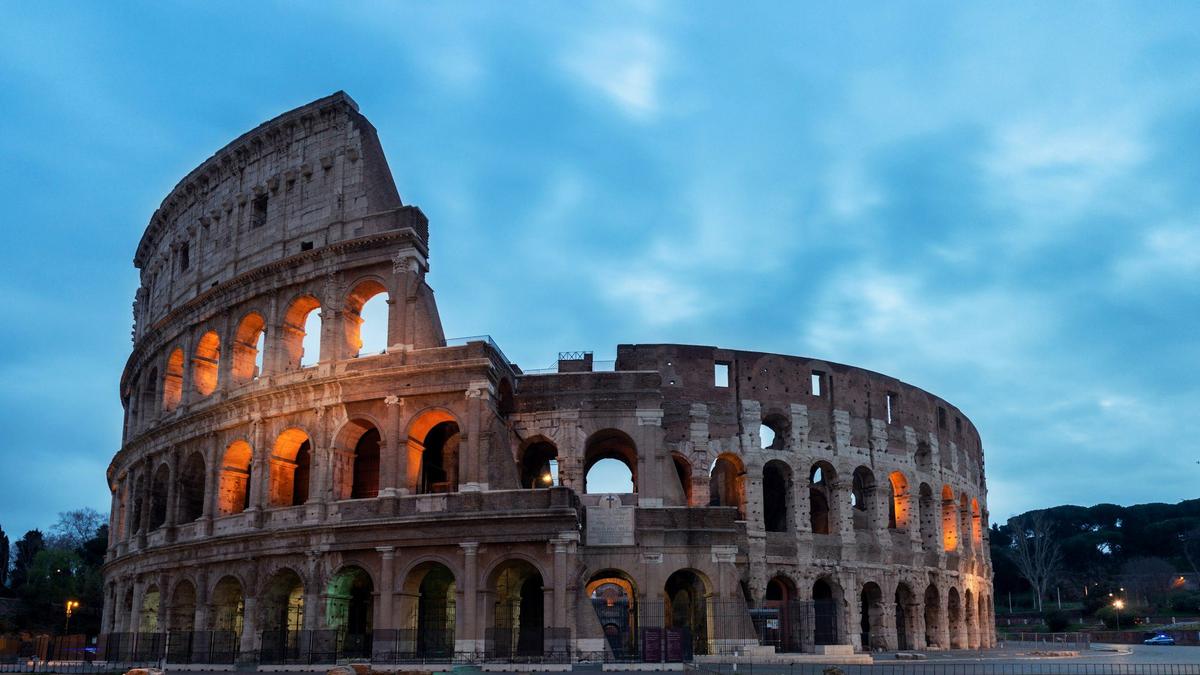
Monti is the sweet spot for a first trip — the oldest rione in the city, a pocket of ivy-draped lanes, wine bars, and vintage shops tucked directly between the Colosseum and Roma Termini. You can walk to the Colosseum and Roman Forum in under ten minutes, and the Cavour metro stop (Line B) sits right in the neighborhood.
The appeal is that Monti feels like a real neighborhood that happens to be in the dead center. Mornings are espresso at a corner bar; evenings are aperitivo spilling onto Piazza della Madonna dei Monti. Because it's this central and this walkable, hotels in Monti book up fast — aim for the streets around Via Nazionale for the best mix of price and quiet.
The catch: it's popular, so rooms cost a little more and the main lanes get busy at night. That's the trade for being able to walk home from the Forum. And book your big-ticket sight ahead — a timed Colosseum entry or a skip-the-line Forum tour saves you a two-hour queue in the sun.
Trastevere: Cobbled Lanes, Trattorias, and Nightlife
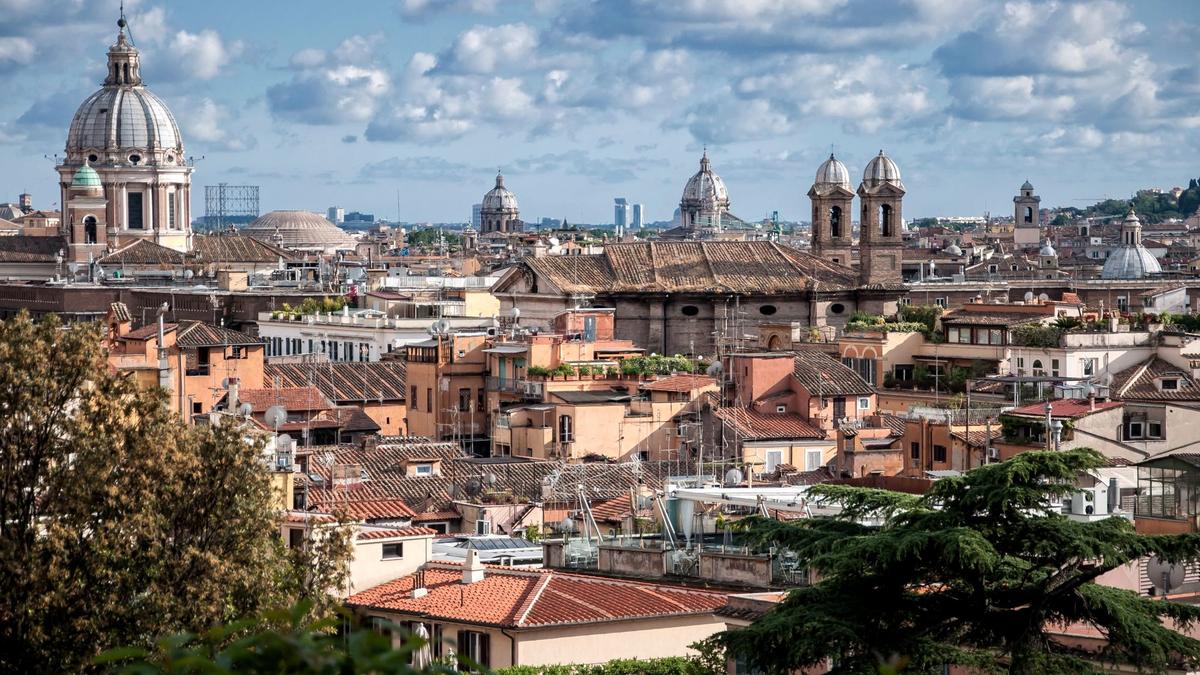
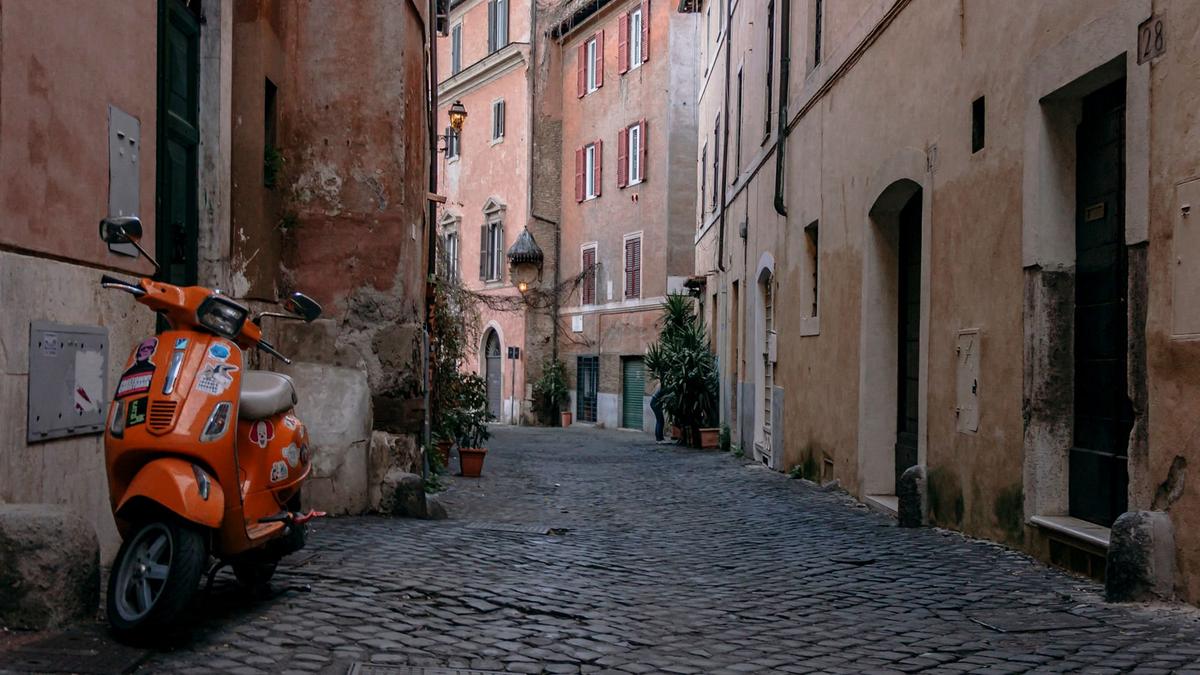
Cross the river and Trastevere is the Rome of the postcards — a maze of narrow cobbled lanes, ochre walls, ivy, and trattorias that pour out onto the streets at night. It's the most atmospheric place to stay, and after dark it's the liveliest.
Choose Trastevere if you want character and a great dinner scene on your doorstep, and you don't mind noise or a longer walk to the ancient sights. There's no metro here, so you'll lean on buses, trams, or your feet — the historic center is a 15–20 minute walk across the Tiber. Look for a room in Trastevere on the quieter southern lanes near Piazza San Cosimato rather than the bar-heavy core if you actually want to sleep.
The catch: Trastevere's nightlife is the draw and the drawback. Weekend nights get loud, and the best trattorias fill up — book a table, or join a Trastevere food-and-wine walk to skip the tourist traps on the main square. For couples and food-first travelers, it's the pick; for early risers chasing the ruins, Monti wins.
Prati: The Quieter Local Pick Near the Vatican
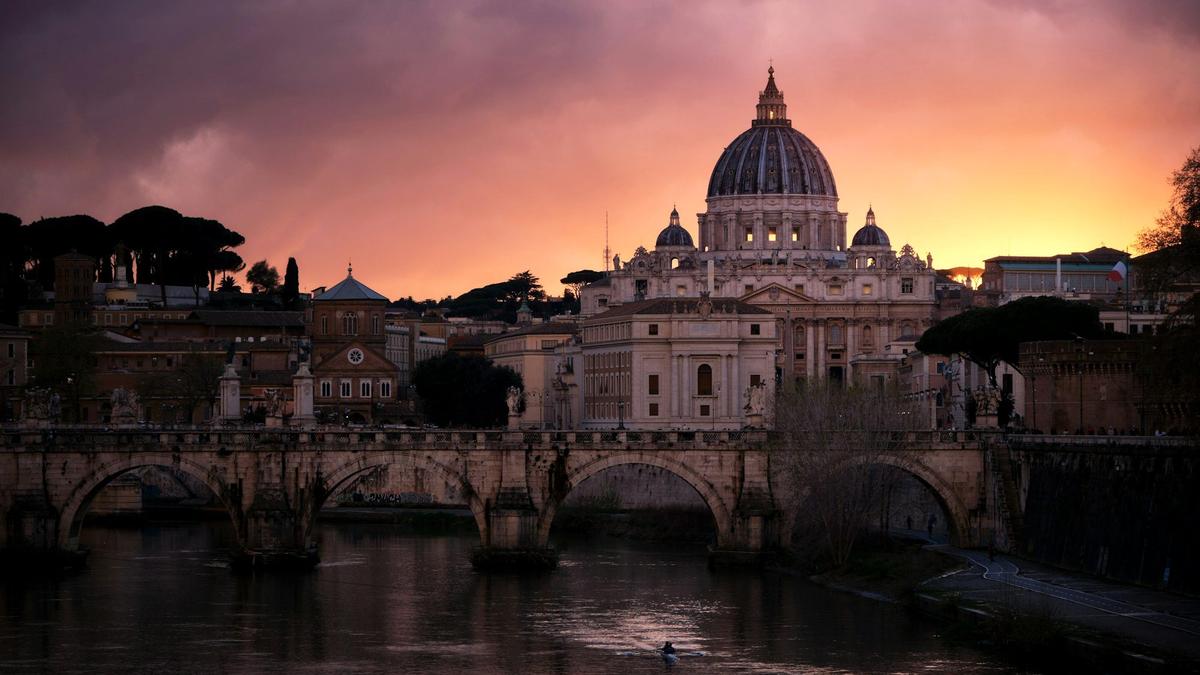
Want somewhere calmer that still puts you a short walk from the sights? Prati, the elegant grid north of the Vatican, is where Romans actually live and shop. It's orderly, leafy, and safe, with wide boulevards, excellent food, and two metro stops (Ottaviano and Lepanto, Line A) that connect you across the city in minutes.
Day to day, Prati feels residential in the best way. The Vatican Museums and St. Peter's Basilica are a 10-minute walk, the Sunday market and Via Cola di Rienzo handle shopping and gelato, and the historic center is two metro stops or a 20-minute stroll across the river. It's the base I'd give travelers who found central Rome a touch too loud, or families who want space and a supermarket nearby. Browse stays around Prati near the metro stops rather than out toward the Prati fringes.
The honest downsides: Prati is quieter after dark, so night owls will commute back from Trastevere or the center; and it skews slightly business-hotel over boutique-charm. If early Vatican access and a calm night's sleep matter more than lane-side nightlife, that's exactly the trade you want.
Things to Do Between Neighborhoods
Wherever you base yourself, the highlights overlap — and a couple of smart choices save you the worst crowds and lines.
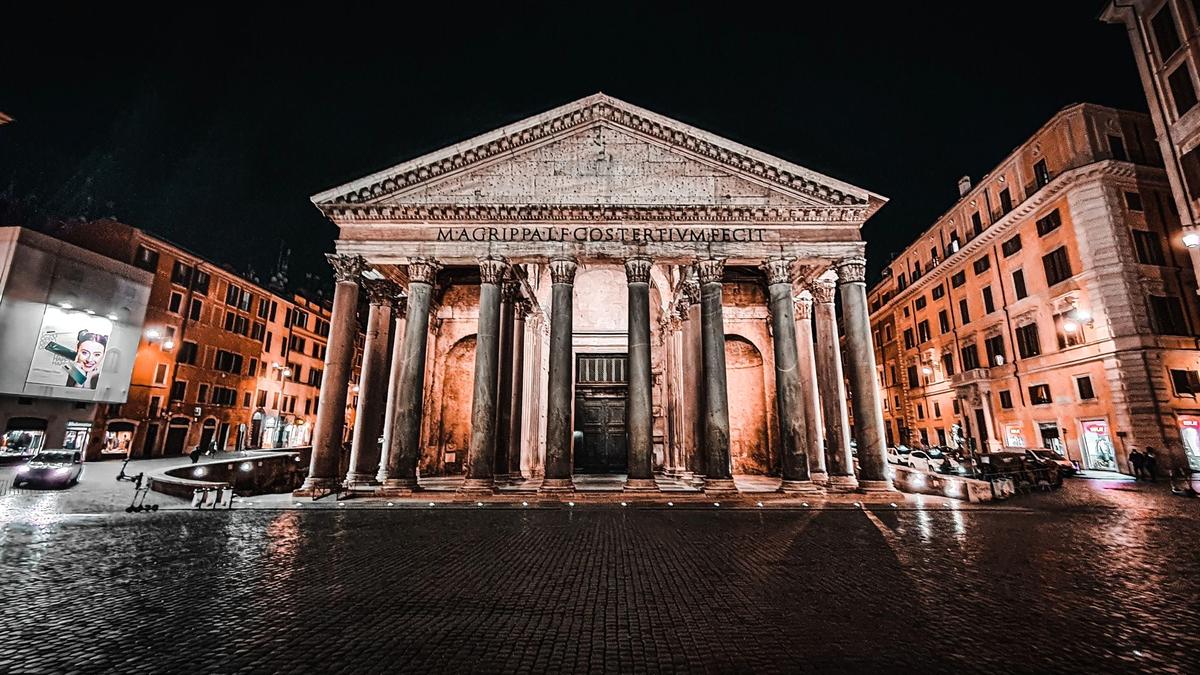
Book a timed Colosseum slot rather than joining the walk-up queue, and pair it with the Roman Forum and Palatine Hill on the same ticket while you're right there. For a free view that beats any paid terrace, climb the Gianicolo (Janiculum) Hill above Trastevere at sunset — the whole city spreads out below, dome by dome. And the classic center loop — Pantheon, Trevi Fountain, Piazza Navona, Spanish Steps — is walkable and free; do it early or late to dodge the midday crush.
For the bookable sights — the Colosseum, the Vatican Museums, the Borghese Gallery — a few sell out days ahead, so line them up before you go. Grab individual Rome attraction tickets and skip-the-line tours, or a Go City Rome pass if you're hitting several in a couple of days.
Getting Around Once You're Here
Central Rome is best on foot — most of what you came for sits inside a walkable core — but the metro and buses cover the longer hops. The two main metro lines (A and B) cross at Termini and hit the big sights; buses and trams fill the gaps, including the river crossings to Trastevere.
Here's the practical bit: buy a rechargeable ticket or tap a contactless card, and validate every ticket before you ride — inspectors do check, and the fine for a stamp you skipped is real. A single ride is about €1.50 and covers 100 minutes across metro, bus, and tram, so one ticket usually gets you there and most of the way back. Rome's buses are frequent but traffic-bound, so if the map says a place is a 20-minute walk, walking is often faster than waiting.
For late nights, uphill stretches, or when your feet are done, a ride-hail like Uber (Black only in Rome) or the official itTaxi app is easy and cheap enough after dinner. One thing to know: agree on the fixed airport fare or use the meter, and skip the drivers who wave you over outside stations — those are the ones to avoid.
People Also Ask
Where should I stay in Rome for the first time?
Monti. It's central, walkable, and steps from the Colosseum and Roman Forum, with a metro stop and a real-neighborhood feel. If you want more nightlife, choose Trastevere; if you want a calmer base near the Vatican, choose Prati.
Is it better to stay in Monti or Trastevere?
Monti for convenience to the ancient sights and the metro; Trastevere for atmosphere, dinner, and nightlife. First-timers who want to walk to the Colosseum usually prefer Monti, while food-and-evening travelers lean Trastevere across the river.
Is Rome walkable?
The historic center is very walkable — most major sights sit within a 20–30 minute walk of each other. The paving is uneven cobblestone, though, so wear comfortable shoes with grip and lean on the metro for the longer crosstown hops.
The Bottom Line
For a first trip, base yourself in central Monti for walkability, pick Trastevere if nightlife and dinner come first, or Prati if you want calm and easy Vatican access. Sort your arrival, eSIM, and any sell-out tickets before you go, and Rome becomes the walkable, layered city it's meant to be. Extending the trip south to the coast? My guide to doing the Amalfi Coast on a backpacker budget picks up right where Rome leaves off.